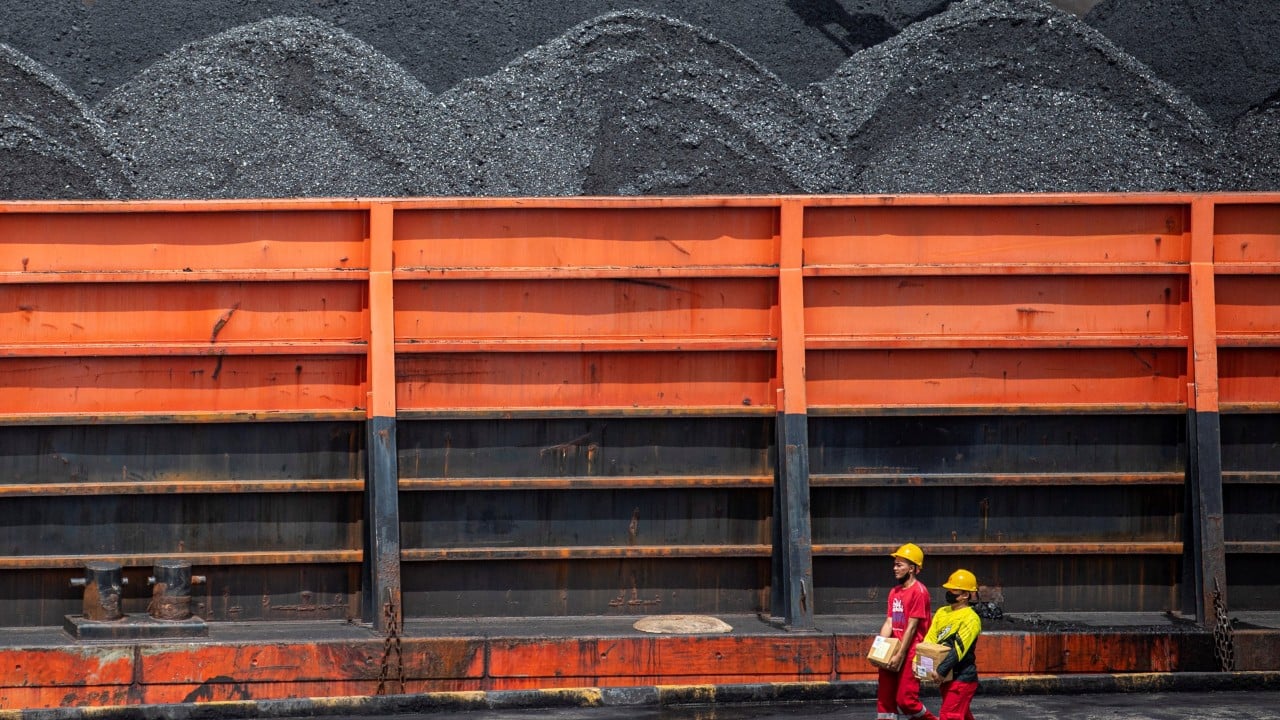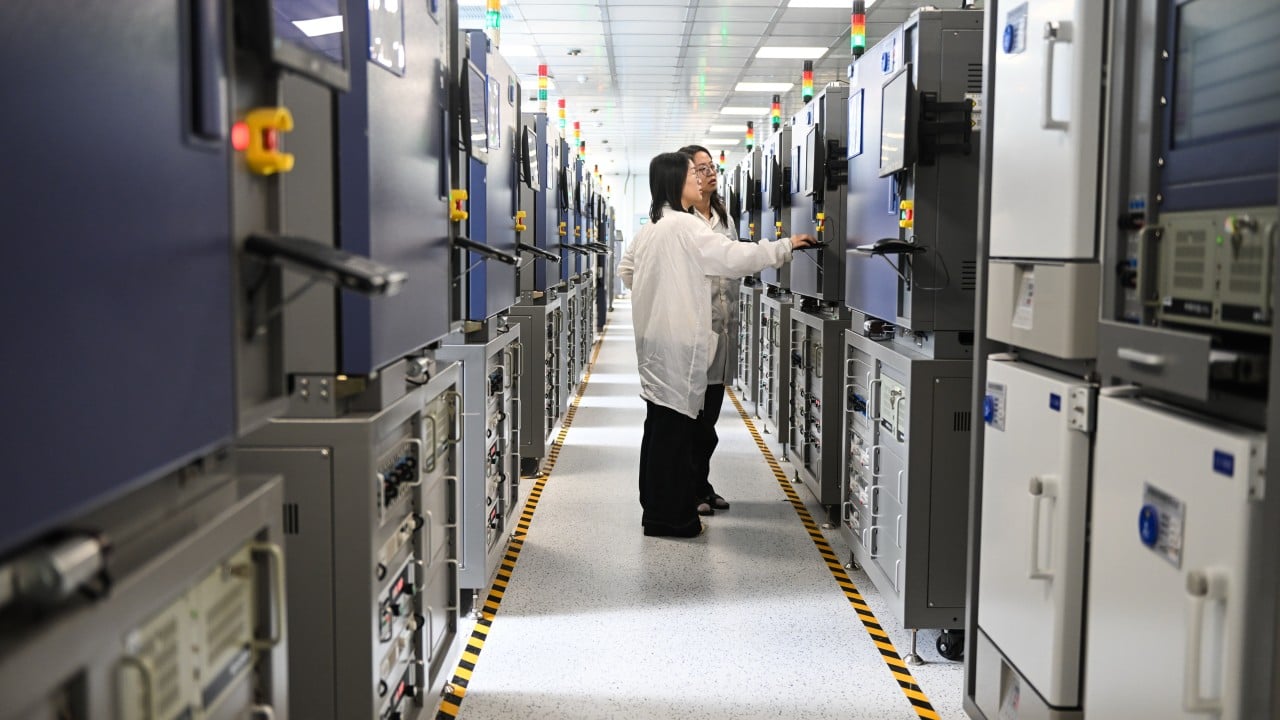
For decades, the economic relationship between Singapore and China was built on concrete, glass, and administrative efficiency. Industrial parks rose from the mud in Suzhou and Tianjin, serving as physical vessels for capital, manufacturing transfer, and bureaucratic best practices. That chapter of bilateral trade is effectively over. Singapore and China are rewriting their economic playbook, shifting away from bricks-and-mortar industrial parks toward artificial intelligence, quantum computing, cross-border digital financial plumbing, and sovereign technology governance.
This pivot is not merely a diplomatic upgrade or a branding exercise. It is a calculated response to a fracturing global trade order, tightening US-China technology controls, and the stark reality that traditional manufacturing corridors can no longer drive high-value growth for advanced economies. You might also find this related story insightful: The Brutal Economic Reality Behind China Feline Mooncake Craze.
The Limits of the Suzhou Model
The original template was simple. Singapore provided capital, managerial expertise, and institutional credibility. China provided land, cheap labor, and a hungry market. The Suzhou Industrial Park, launched in 1994, became the gold standard for this arrangement. It proved that Singaporean administrative competence could be successfully exported into the heart of the mainland, generating billions in trade and cementing a deep structural interdependence.
Yet, that model faces terminal obsolescence. China has outgrown the need for basic foreign manufacturing guidance. Its domestic engineering talent, supply chain dominance, and digital infrastructure now outpace many of the traditional systems designed to support them. At the same time, Singapore finds itself squeezed by geopolitical friction between Washington and Beijing. Remaining a neutral financial and logistical hub requires a deliberate move away from physical manufacturing nodes that could become entangled in export controls, intellectual property disputes, and national security restrictions. As highlighted in recent coverage by Harvard Business Review, the implications are notable.
Singapore cannot afford to choose sides in the technology cold war, but neither can it remain static while the global economy reorganizes around generative artificial intelligence and advanced computation.
Rewiring for Algorithms and Data
The new bilateral architecture bypasses physical acreage in favor of digital corridors. Instead of breaking ground on massive factory complexes, both nations are focusing on interoperable digital frameworks, green data centers, and joint artificial intelligence research laboratories.
Consider the mechanics of this shift. Cross-border data flows require regulatory alignment, particularly regarding privacy, localization laws, and cybersecurity standards. Singaporean financial institutions and Chinese technology giants are quietly building the infrastructure required to move capital and data across borders without triggering compliance violations in Western jurisdictions. This involves developing privacy-enhancing technologies and federated learning models that allow algorithms to be trained across distributed datasets without raw data ever crossing national boundaries.
This approach addresses a fundamental constraint: trust. By focusing on algorithmic collaboration rather than hardware manufacturing, both nations can pursue joint economic gains while managing the political sensitivities inherent in sensitive tech transfers. Singapore acts as a trusted conduit, a jurisdiction where Western capital and Chinese technological capability can find a workable intersection.
The Sovereign Risk Calculus
Running a high-tech partnership under the shadow of a deepening US-China tech schism requires constant navigation of regulatory tripwires. Advanced semiconductor restrictions, dual-use export controls, and foreign investment screening mechanisms mean that every joint venture in artificial intelligence carries acute geopolitical risk.
Singaporean policymakers are acutely aware that hosting mainland tech investment can invite scrutiny from Western regulators. Consequently, the collaboration is carefully partitioned. It emphasizes foundational research, sustainability metrics, smart city logistics, and enterprise software rather than foundational semiconductor fabrication or military-adjacent dual-use hardware.
China, for its part, views Singapore as an indispensable window to global markets and international capital pools that remain hesitant to deploy money directly into mainland entities under current regulatory conditions. By routing venture capital and joint R&D through Singaporean vehicles, Chinese firms maintain a pipeline to international talent and commercial networks.
Beyond the Industrial Park
The transformation of the Singapore-China economic corridor marks a broader transition in global capitalism. The era of globalization defined by mega-factories and physical supply chain integration is giving way to a fragmented, digital architecture where data sovereignty and technological self-reliance dictate the terms of engagement.
The Suzhou model built an industrial miracle for the late twentieth century. The emerging artificial intelligence framework attempts something far more delicate: forging economic ties across a geopolitical fault line without setting off the alarms of the global superpowers looking on.