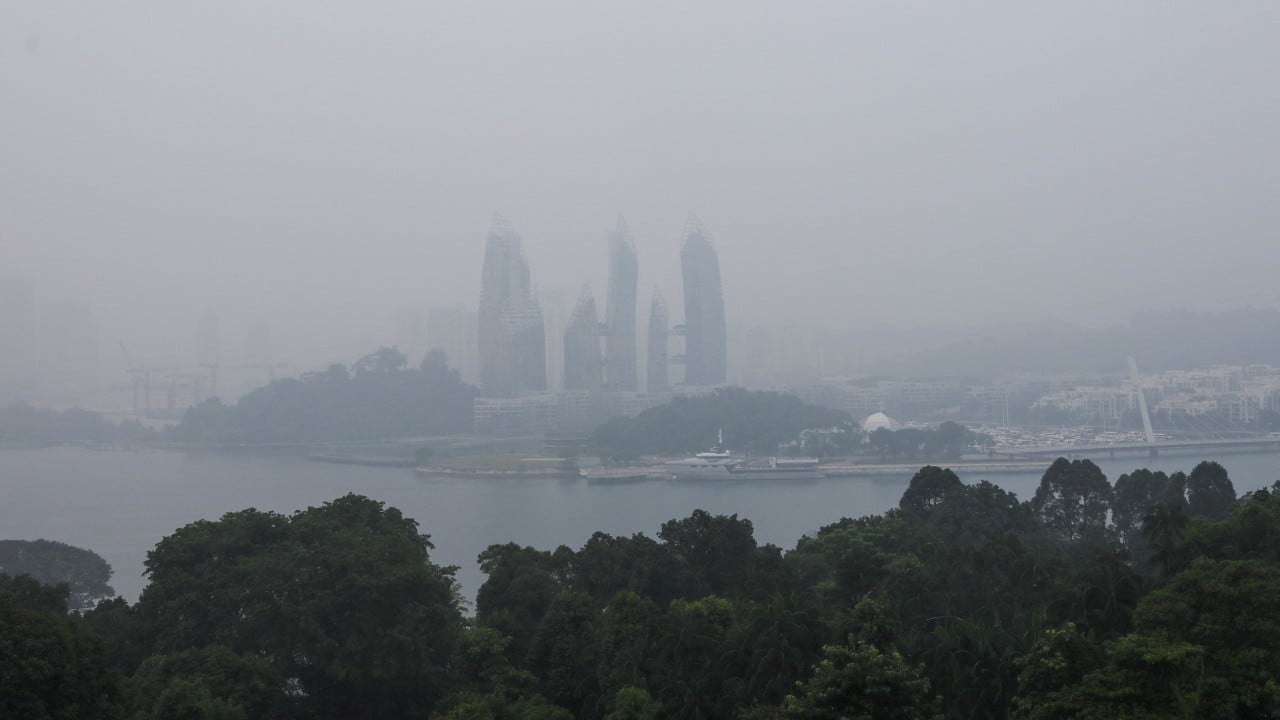
Singapore legal action against errant haze firms sounds decisive on paper, yet choking smoke still drifted across the island during the worst regional haze episode since 2015.
During September and October 2026, dry conditions combined with land and forest fires in neighboring Indonesia sent hourly PM2.5 readings spiking to 288 in western Singapore and pushed the 24-hour PSI past 200. School lessons shifted online, outdoor events were postponed, health subsidies kicked in, and economic losses in Singapore reached an estimated S$2.32 billion by late October. In response, the government moved from warnings to aggressive legal escalation, issuing preventive measure notices to companies linked to concessions and proposing steep upgrades to the Transboundary Haze Pollution Act (THPA).
Here is the blunt truth. Passing tougher laws in Singapore does not automatically extinguish peatland fires hundreds of kilometers away.
Why Singapore Legal Action Against Haze Firms Matters Now
For years, critics pointed out a glaring gap in Singapore's haze framework. Laws existed on the books, yet prosecutions rarely materialized when smoke rolled in from overseas. Proving corporate links across borders, tracing land concessions, and meeting strict evidentiary bars were slow and messy.
The 2026 crisis changed the political calculus fast. Prime Minister Lawrence Wong signaled that authorities were examining legal, regulatory, and economic measures against companies tied to haze-causing fires, while Sustainability and the Environment Minister Grace Fu pushed major legislative reforms in Parliament in early November 2026.
Instead of treating haze strictly as a diplomatic headache, Singapore is treating it as a commercial and supply-chain accountability problem. If a company benefits from Singapore's financial markets, banking channels, or commercial contracts while operating or sourcing from fire-prone concessions, regulators want leverage over its wallet and its reputation.
What the Tougher Law Actually Changes
Under the proposed amendments to the Transboundary Haze Pollution Act announced by the National Environment Agency (NEA) in November 2026, the teeth get noticeably sharper:
- Tenfold higher maximum fine: The headline fine for the main offence jumps from S$2 million to S$20 million, with proportional increases to other penalties.
- Disgorgement of gains: Courts can impose additional penalties tied to profits gained or losses avoided through offending conduct.
- A new civil penalty track: With the Public Prosecutor's consent, the NEA can pursue civil court action carrying a maximum penalty of S$10 million, avoiding double punishment by barring both civil and criminal penalties for the exact same case.
- Business restrictions and public naming: Authorities gain powers to restrict business dealings with designated entities and publish lists of companies that fail to comply with notices or directions.
- Tighter excuses: Companies claiming a fire was lit by someone else without their knowledge now have to show they took reasonable steps both to prevent fire-causing conduct and to fight fires.
From a legal design standpoint, that civil track and business-restriction power are smart additions. Criminal cases demand heavy proof thresholds. Commercial restrictions bite immediately when a firm relies on Singapore counterparties, lenders, or buyers.
The Enforcement Gaps Laws Alone Cannot Close
Even with stronger statutes, anyone who has watched Southeast Asia's dry seasons knows enforcement hits friction the moment you cross jurisdiction lines.
First comes evidence and access. Satellite hotspots show where smoke rises, and concession maps outline who holds land rights, yet pinning direct operational responsibility on a specific corporate entity takes verified on-the-ground records. Notice how the NEA issued information and preventive notices seeking details on linked companies, Indonesian land concessions, and fire-prevention measures—a clear sign that establishing hard facts is half the battle.
Second comes sovereignty and practical fire suppression. Singaporean officers cannot walk onto peatlands in Sumatra or Kalimantan to douse smoldering soil or arrest suspects abroad. As environmental researchers and civil society observers have noted, large-scale fire suppression and local law enforcement depend heavily on national and regional authorities where the fires burn.
Third is corporate structuring. Complex holding chains, layered subsidiaries, and third-party suppliers can obscure who actually controls day-to-day land management. Honest compliance looks straightforward on paper; tracing beneficial ownership and operational control in practice takes sustained investigative muscle.
Tougher penalties raise the cost of recklessness, yet real prevention happens on drained peatlands long before smoke reaches a city skyline.
Regional Cooperation Is Still Non-Negotiable
Unilateral legal action in Singapore works best alongside cross-border coordination, not as a substitute for it. Joint task forces between Singapore and Indonesia, information sharing, and coordinated regional efforts—especially with Singapore set to take on the 2027 ASEAN chair role—matter because winds and smoke do not respect passports or court orders.
Still, I think Singapore's domestic push has real value even when cross-border prosecutions face hurdles. Sunlight changes behavior. When regulators compel disclosures, name non-compliant firms, and scrutinize corporate ties, boards and investors pay closer attention than they do to polite regional statements.
Practical Steps for Businesses and Residents
If you run a business with regional supply chains or commercial ties to Singapore, waiting for a court judgment to figure out your exposure is a mistake. Map your concession and supplier links now, document concrete fire-prevention and monitoring measures rather than relying on boilerplate policies, and treat regulatory information notices with urgency.
If you live or work in a haze-affected area, don't rely on guesswork when air quality swings rapidly. Check official PSI and PM2.5 readings rather than judging by how clear the sky looks outside, keep well-fitting masks and indoor air filtration ready before dry spells peak, and follow health advisories early if you or your family have respiratory or heart conditions.
Singapore's stronger haze law review on Channel NewsAsia
Singapore passes tougher haze law, raises maximum fine to S$20
This video gives a quick breakdown of Singapore's stiffer haze penalties and legal push against companies linked to cross-border smoke.