The air today is a liar. It feels stagnant, holding the ghost of yesterday’s warmth in its throat, refusing to admit that the atmosphere is currently being rewritten. We walk through the streets, unsuspecting, coat buttons undone, eyes fixed on the pavement or the screens in our hands. We assume the rhythm of the week will remain constant. We are wrong.
There is a fracture coming.
By Wednesday, the sky will stop playing games. The current stillness is not a sign of stability; it is a preamble to a collapse. Somewhere, miles above our heads, the pressure is buckling. A cold front is marching south, a silent, invisible wall of heavy air that cares nothing for our commutes, our fragile plans, or the schedules we have meticulously laid out for the week.
Think about your Wednesday morning. You likely have a routine. Perhaps you cycle to the station, the wind at your back, a sense of momentum driving you forward. Or maybe you are a parent, bracing for the morning school run, calculating the minutes it takes to shepherd children from the house to the car door. We operate under the delusion that we possess agency over our daily movements. We believe in the linearity of time. But when that cold front arrives, all those small, human certainties evaporate.
The forecast is blunt. Heavy showers. A drop in temperature. These are dry, clinical terms, but they mask a visceral reality.
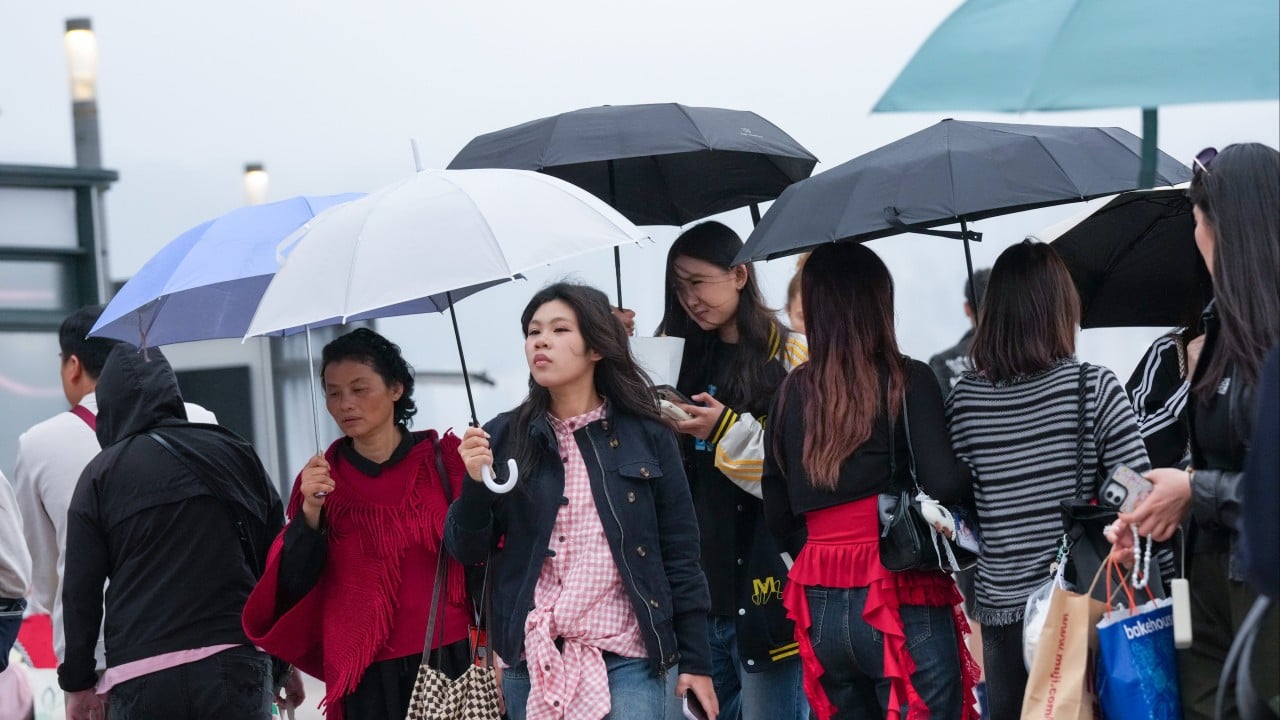
Imagine standing on a platform at seven in the morning. The sky is a bruised purple, the light failing even as it tries to rise. You feel it first in your lungs—that sharp, metallic intake of air that signals a shift. The drizzle starts not as a polite patter but as a sudden, aggressive assault. It hits the concrete with a sound like static. The temperature falls. It doesn't drift downward; it crashes. You watch the steam rise from the shoulders of the person standing next to you, a collective shudder passing through the crowd as everyone realizes, simultaneously, that they have underdressed for the day.
This is the hidden cost of the week ahead. It is not just about getting wet. It is about the disruption of our mental equilibrium.
We rely on the weather to be a reliable backdrop to our lives. When it becomes an active antagonist, our day-to-day existence changes. The bike ride becomes a gauntlet of slick roads and spray-filled turns. The school run becomes a chaotic scramble for umbrellas and dry shoes, the inevitable damp patches on uniforms acting as a badge of the morning's struggle. The simple act of moving from point A to point B requires more energy, more attention, more grit.
Why does this happen? The meteorology is simple enough to explain, even if it feels chaotic to experience.
Think of the atmosphere like a series of heavy curtains in a room. For the last few days, we have been living in the warm air, the curtains pulled back, the sun catching the dust motes. But the system is losing its grip. The cold front is the weight pulling those curtains shut. As the cold air pushes into the warm, it forces the moisture trapped in our local sky to condense, spilling out as heavy, relentless rain. The air itself is squeezing, wringing out the clouds. The drop in temperature is the physical manifestation of that energy transfer. It is a violent reset button for the local environment.
There is a quiet, frustrating power to this kind of weather. It forces us to slow down.
Consider the shopkeeper who relies on foot traffic. By Wednesday afternoon, the street will be empty, the pavement gleaming and hostile. Or the construction worker trying to pour concrete before the damp seeps into the foundations. These people don't look at the sky with the romantic eye of a poet. They see the weather as a ledger of losses.
We often view the forecast as a suggestion rather than a command. We read the headlines, see the words "unstable" and "showers," and we nod, thinking we can outmaneuver the coming gloom with an extra layer or a sturdier pair of boots. But the weather does not negotiate. It is indifferent to our convenience. It reminds us, in the most physical way possible, that we are small, fragile entities living under a vast, churning engine that we can neither control nor predict with absolute precision.
There is an honesty in this.
For the rest of the week, the instability will linger. The sky will likely remain grey, a persistent, brooding presence that makes the sun feel like a distant memory. This is the time when the mood of a city shifts. People become more guarded. We tuck our chins into our collars. We walk faster. We are less likely to make eye contact on the bus. The collective spirit, usually buoyed by even a hint of warmth, retreats inward.
If you are planning your week, do not try to fight it. Do not schedule the outdoor meeting for Wednesday. Do not wear the shoes that hate the puddles. Accept the shift.
There is a strange, quiet dignity in being caught in the rain, provided you are prepared for it. It is the moment when we stop pretending we are in charge. We are just commuters, parents, students, people navigating a wet, cold, and entirely unpredictable world. When the rain starts, and the mercury plummets, you have two choices. You can rage against the damp, feeling the irritation seep into your bones, or you can find a way to inhabit the moment.
Listen to the sound of the water against the glass of your office window. Watch the way the streetlights bloom and blur in the puddles. The world has changed for a few days, and there is a fierce, raw beauty in that transformation.
We often chase stability. We build our lives around the expectation that tomorrow will look like today, that the sun will rise in the same place and the air will hold the same weight. But the truth is that the only constant is the shift. The weather is just the most obvious messenger. It serves as a reminder that the environment around us is alive, responsive, and occasionally quite hostile to our desire for comfort.
So, when Wednesday comes, and the sky finally breaks, do not be surprised. Do not look for an apology from the elements. Step into the cold. Feel the bite of the air. It is a reminder that you are here, that you are breathing, and that even in the middle of a miserable, rainy week, there is a pulse to the world that you are a part of.
The weather will do what it does. It will cool, it will shower, it will disrupt. And then, eventually, it will move on. But for those few hours, beneath the grey, wet expanse, we are all just travelers trying to stay dry, waiting for the sky to lift its heavy hand, waiting for the light to return to the pavement.