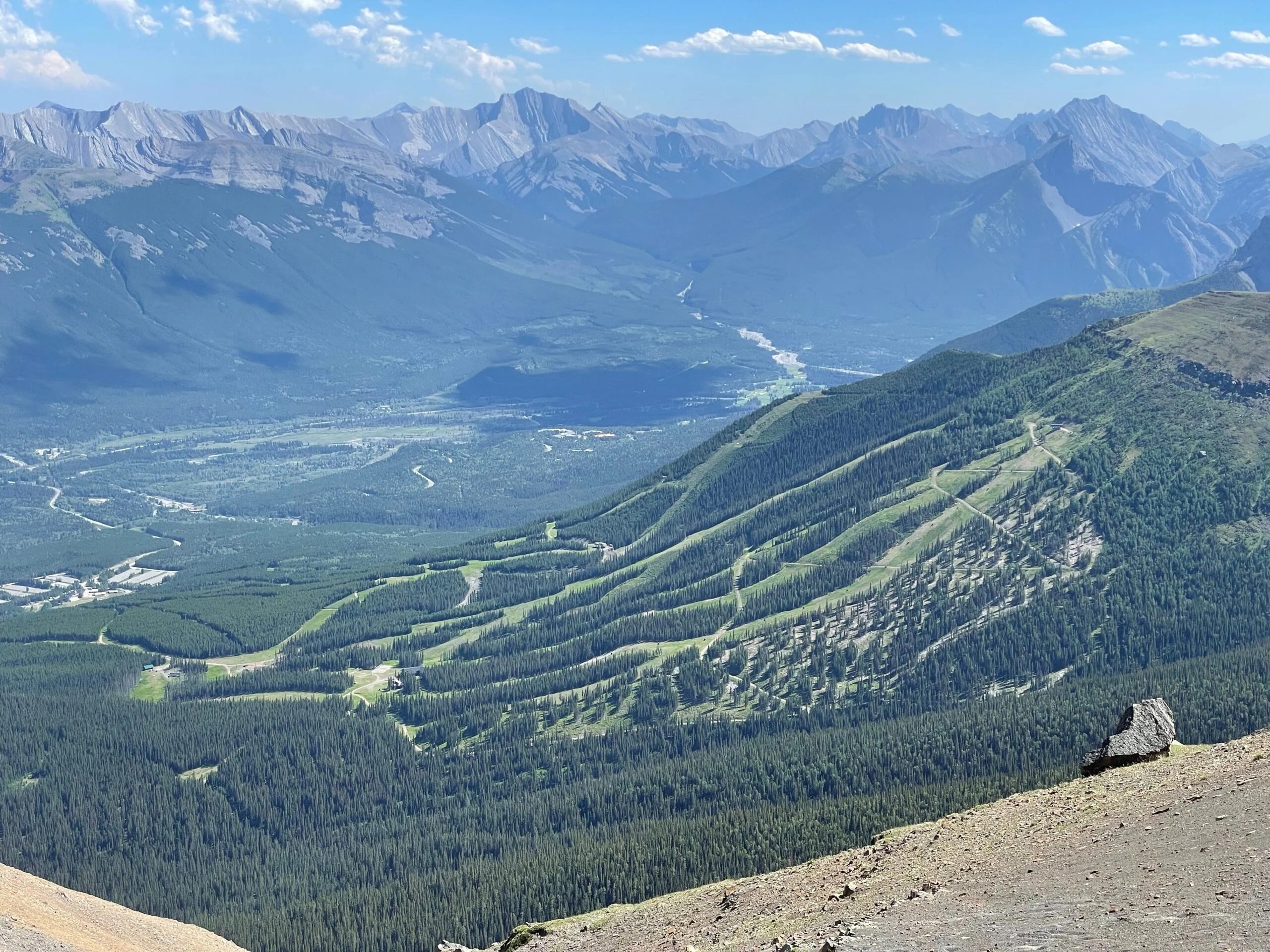
The air at the base of Mt. Allan has a specific, metallic chill that lingers long after the winter crowds have packed away their Gore-Tex. It is a quiet, heavy silence. For decades, Nakiska Ski Area has existed as a seasonal heartbeat—thumping violently from November to April, then flatlining into a ghost town of empty chairlifts and rusting gravel when the snow turns to slush.
But silence doesn't pay the bills. And more importantly, silence doesn't satisfy a restless modern soul that craves the mountains even when the skis are in the attic. If you enjoyed this article, you should read: this related article.
By the summer of 2027, that silence is scheduled to break. Resorts of the Canadian Rockies (RCR) recently pulled back the curtain on a master plan that aims to transform this Olympic legacy site into a year-round engine of adrenaline and alpine leisure. It is a transition from a "ski hill" to a "mountain destination." To the casual observer, it looks like a business expansion. To those who know the rhythm of the Bow Valley, it represents a fundamental shift in how we consume the wilderness.
The Ghost of 1988
To understand where Nakiska is going, you have to look at the bones of where it started. Built specifically for the 1988 Calgary Winter Olympics, the resort was designed for efficiency and speed. It was a place for elite athletes to shave milliseconds off a downhill run. Because of this, it has always felt a bit clinical compared to the rugged, sprawling soul of Lake Louise or the jagged teeth of Sunshine Village. For another look on this development, refer to the latest update from Travel + Leisure.
For years, if you visited Nakiska in July, you were met with a locked gate and the indifferent stare of a bighorn sheep. The infrastructure sat idle. Millions of dollars in lift technology swung in the wind, unused for six months of the year.
Consider a hypothetical local business owner in nearby Kananaskis Village—let’s call her Sarah. For thirty years, Sarah’s life has been dictated by the "shoulder season." In May and October, the valley dies. Staff are laid off. The lights go dim. The uncertainty of a snow-dependent economy is a weight that never truly lifts. When Nakiska announces a massive pivot toward summer sightseeing and mountain biking, they aren't just selling tickets to tourists. They are offering a lifeline of stability to the human beings who live in the shadow of the peaks.
Gravity and the New Gold Rush
The centerpiece of the 2027 rollout isn't a new chairlift, but what happens beneath the ones already there. Mountain biking is no longer a niche hobby for people with no fear of broken collarbones. It is a global tourism juggernaut.
The plan involves carving a lift-accessed bike park into the lower mountain trails. This is a calculated move. By using the Gold Chair or the Silver Queen to haul bikes up the ridge, Nakiska enters a competitive arena currently dominated by Whistler to the west and Panorama to the south.
The terrain at Nakiska is unique. It is steep, shaded, and holds its form. Imagine the sensation: the hum of the lift cable overhead, the smell of pine needles heating up in the midday sun, and the sudden, sharp scent of dirt as your tires bite into a berm. This isn't just "recreation." It is a sensory overhaul. The resort is betting that the same fall line that challenged the world's best skiers in '88 will provide the perfect pitch for a new generation of riders.
The High-Altitude Porch
Not everyone wants to hurtle down a mountain on two wheels. There is a quieter, more lucrative demographic that simply wants to stand where the clouds live without the four-hour grueling hike to get there.
The 2027 expansion includes significant investment in "sightseeing infrastructure." This is corporate speak for a simple human desire: the view. We are a species obsessed with perspective. When we stand on a ridge and look out over the limestone waves of the Canadian Rockies, our daily anxieties—the emails, the mortgage, the relentless noise of the city—tend to shrink.
By opening the lifts for summer sightseeing, Nakiska is democratizing the alpine. They are making the summit accessible to the grandfather who can no longer trek ten miles, or the young family with a toddler in a carrier. It is an invitation to witness the scale of the world from a vantage point that was previously reserved for the extremely fit or the extremely lucky.
The Invisible Stakes of Development
Whenever a shovel hits the dirt in Kananaskis Country, there is a tension that ripples through the community. This isn't a theme park; it’s a delicate ecosystem. The "invisible stakes" here involve a brutal tug-of-war between economic survival and environmental stewardship.
Kananaskis is a corridor for grizzly bears, cougars, and elk. Every new trail, every increased hour of human activity, adds a layer of complexity to the lives of the creatures that were there before the Olympic torches were lit. The 2027 plan has to navigate this carefully. The success of the project won't just be measured in summer pass sales, but in whether the resort can coexist with the wildness that makes people want to visit in the first place.
If the trails are built with a "tapestry" mindset—wait, let's avoid the clichés. If the trails are built with an understanding of the mountain’s natural drainage and migration patterns, it works. If they are forced upon the land, the mountain eventually wins. It always does.
A Change in the Weather
The move toward summer isn't just about greed or growth. It’s about survival in a changing climate.
Reliable snow is becoming a luxury. In the last decade, ski resorts across North America have seen seasons shortened by late starts and early thaws. Relying solely on frozen water to keep a multi-million dollar operation afloat is a dangerous game. Diversification is the only hedge against a warming world.
By the time 2027 rolls around, Nakiska won't be a ski resort anymore. It will be a year-round mountain hub. This shift reflects a broader truth about our relationship with nature: we no longer see the mountains as a seasonal backdrop, but as a constant necessity. We need the thin air. We need the verticality.
When the first mountain bikes roll off the lift in the summer of 2027, it will mark the end of Nakiska’s long hibernation. The mountain will finally be awake for all four acts of the year. The quiet, heavy silence of the off-season is about to be replaced by the clicking of gears and the collective exhale of people who finally have a reason to stay.
The mountain remains the same. Only our role on it has changed.