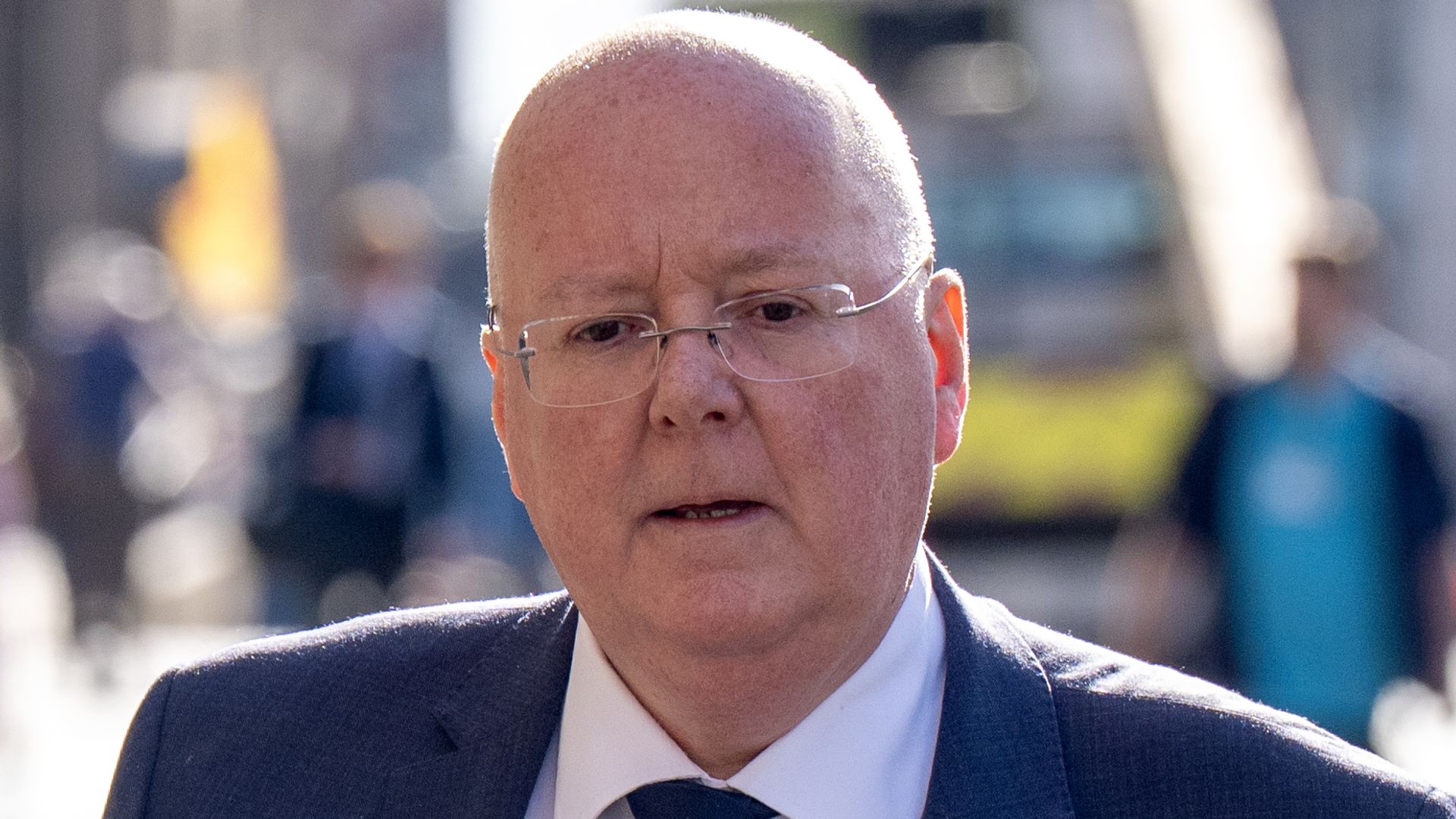
The Scottish National Party just stepped into a massive financial minefield, and it has nothing to do with independence ideology. It's about cold, hard cash and the taxman. First Minister John Swinney admitted at Holyrood that the party has opened talks with HMRC over potentially illegal VAT claims. These claims are tied directly to the massive embezzlement scandal surrounding former SNP chief executive Peter Murrell.
If you thought this story ended when Murrell pleaded guilty to stealing over £400,000 from party coffers, you were wrong. The financial fallout is just beginning. Political parties can claw back VAT on legitimate operating costs, but they can't do it for personal luxury items bought with stolen money. Now, the taxman wants answers, and the SNP faces a brutal reckoning over public funds.
Inside the Fraudulent Receipts and Tax Write-Offs
How does a luxury campervan turn into a tax problem? It comes down to how Murrell reportedly logged his personal splurges in the SNP's accounting software. He didn't write "luxury items for myself" on the balance sheet. He falsified paperwork.
When you look at the sheer audacity of the purchases, it becomes clear why HMRC is knocking on the door. Scottish Labour leader Anas Sarwar laid out the absurd reality during a heated First Minister’s Questions.
- The £124,000 Motorhome: This infamous vehicle was logged in the system as a simple "van" for party purposes. It was subject to a 20% VAT rate.
- The £3,000 Robotic Lawnmower: Murrell allegedly categorized this piece of garden tech under "legal fees."
- The Luxury Egg Poacher: A high-end kitchen tool costing £23.98 was disguised on paperwork as an "ethernet cable."
Murrell also bought two cars, high-end watches, expensive pens, cosmetics, and jewelry over a twelve-year period. By using fake invoices and party charge cards, these personal items looked like standard political operations on paper. If the SNP automatically reclaimed VAT on those bills, they essentially took cash from the UK treasury under false pretenses. That turns a standard embezzlement case into potential tax fraud against the state.
The Legal Reality of Political VAT Rules
You might wonder why a political party is dealing with VAT at all. Under UK tax law, political parties aren't completely exempt from taxes, but they can claim back VAT on expenses directly related to their non-business, political activities. Think of things like campaign offices, IT infrastructure, and genuine transport for staff.
HMRC maintains strict boundaries here. If a purchase is purely personal or entirely unrelated to running the organization, reclaiming that tax is illegal. Because Murrell held the keys to the kingdom for over a decade, his fraudulent receipts slipped through the internal net.
Swinney insists the party is being proactive by approaching HMRC. It's a classic damage-control move. By telling the tax authorities about the problem before a formal audit forces their hand, the SNP hopes to minimize penalties. But Swinney also conceded to journalists that he has absolutely no idea how much money the party actually owes the taxman.
A Fight for the Stolen Cash
The SNP is desperate to get its money back, but it won't be easy. The party's ruling National Executive Committee voted to instruct lawyers to launch court action to recover the stolen cash from Murrell.
This legal track runs alongside a Crown Office confiscation order brought under proceeds of crime laws. The authorities want to seize Murrell's assets to cover the scale of his theft. The SNP is applying for a compensation order to jump ahead in the queue for that cash. Legal experts know this process moves at a snail's pace. It could take several years before the party sees a single penny returned, assuming Murrell even has the assets left to pay them back.
Meanwhile, the political pressure north of the border is reaching a boiling point. The opposition isn't letting this drop.
Anas Sarwar is pushing hard for a full parliamentary inquiry, calling it the biggest political and financial scandal in the history of Holyrood. He also demanded an apology for members of the public who donated to a ring-fenced £667,000 independence fund raised between 2017 and 2019. That fund triggered the original Police Scotland investigation, Operation Branchform, which eventually exposed Murrell's years of theft.
Swinney is digging his heels in against an inquiry. His argument is simple: the police did a forensic job, a man was convicted, and a parliamentary probe can't go any deeper than a criminal court. Next week, Scottish Labour plans to force a debate and a vote on the matter anyway.
What Happens Next for the SNP
The party cannot simply wish this away. If you want to understand how this plays out, watch the upcoming steps closely.
First, forensic accountants will have to tear apart twelve years of SNP financial records to match every single one of Murrell's fake invoices against past VAT returns. They have to isolate every single penny of illegally claimed tax.
Second, the party must brace for a hefty bill from HMRC. On top of paying back the wrongly reclaimed VAT, the taxman frequently slaps severe financial penalties and interest charges on wrongful claims, even if the organization was defrauded by its own executive.
The SNP is already facing tight finances and slumping poll numbers. A massive, unexpected tax bill is the absolute last thing they need as they try to rebuild their reputation.


