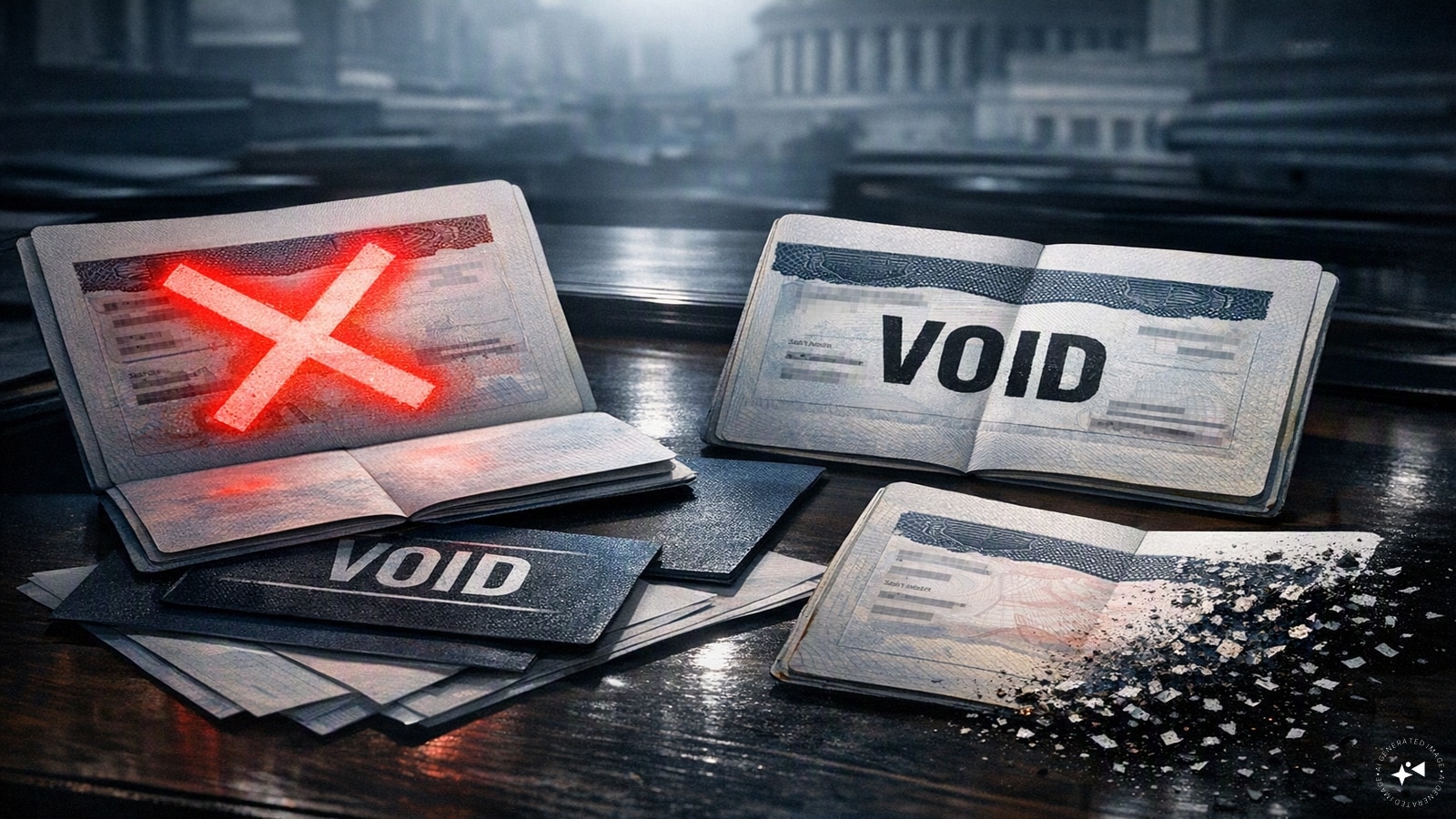
The desk in the consular office smelled faintly of cold coffee and old paper. Across that worn laminate surface, millions of lives have changed over the decades with the simple mechanical thud of an ink stamp. A green approval. A red denial. A stroke of administrative machinery that dictates whether a grandmother gets to hold her newborn grandchild in Ohio, or whether a software engineer can catch a flight to a conference in Chicago.
For decades, the system operated on a quiet understanding. A tourist visa or a business visitor visa was a bridge. It was built on the premise that people could cross borders temporarily, spend their money, share their expertise, conduct their commerce, and return home. People bought round-trip tickets. They booked hotels. They packed suitcases with souvenirs and high hopes.
Then, the architecture of movement began to shift.
Consider a hypothetical traveler named Elena. She lives in a bustling mid-sized city abroad, managing a small logistics firm. Six months ago, she secured a multi-entry business visa to visit American clients and evaluate shipping hubs. It took months of paperwork, background checks, and an anxious interview beneath the fluorescent lights of an embassy waiting room. When she finally held that foil visa sticker in her passport, it felt like an unlocked door.
Now, Elena watches the news with a knot in her stomach. Policy gears are grinding in Washington, turning toward a proposal that could revoke up to two hundred thousand tourist and business visas. The rationale offered by policymakers is administrative triage. The argument is that the immigration system is overwhelmed, straining under an unprecedented backlog of asylum claims at the southern border. The proposed solution reaches far inland, targeting validly issued non-immigrant visas held by individuals who have committed no crime, violated no laws, and perhaps have never even set foot on American soil.
Panic does not always arrive with a siren. Sometimes it arrives as a quiet realization that a piece of paper you earned through scrutiny can be invalidated by a memo.
To understand the weight of this policy, we have to look past the abstract numbers. Two hundred thousand is a statistical abstraction. It is a tally mark on a bureaucratic ledger. But behind every single one of those visas is a human ecosystem.
Take the business traveler. Modern commerce relies on physical presence. Deals worth millions of dollars are rarely sealed entirely through digital screens; they require handshakes, shared meals, and the subtle trust built across a conference table. When a government abruptly pulls the rug out from under business visitors, the ripple effects hit supply chains, partnerships, and investments. A cancelled trip means a delayed contract. A delayed contract means stalled hiring.
Then look at the tourism sector. Families planning reunions, retirees ticking off bucket-list vacations, students visiting campuses—they are all caught in the crossfire. The tourism economy runs on anticipation. When travelers feel that their legal status is precarious, that a visa can be retroactively revoked without individual wrongdoing, they do not simply accept the risk. They cancel. They book their flights to London, Tokyo, or Toronto instead. The economic fallout lands squarely on American hotels, airlines, restaurants, and tour operators.
Why target tourist and business visas to address asylum backlogs? It is a question that reveals a fundamental misunderstanding of how administrative systems function.
Immigration lawyers and policy analysts scratch their heads at the logic. Asylum seekers are individuals presenting themselves at borders or within the country, claiming a well-founded fear of persecution, awaiting adjudication through an overburdened immigration court system. A tourist from abroad holding a B1 or B2 visa is an entirely different category of traveler. They have gone through consular vetting. They have home ties. Punishing temporary visitors to compensate for a bottleneck in humanitarian processing is like draining the community swimming pool because the municipal water treatment plant has a leak in the pipes. It does not fix the leak. It simply leaves everyone thirsty.
The human cost is measured in broken plans and shattered trust. Trust is fragile. Once a nation gains a reputation for unpredictability—where a validly issued visa can become worthless overnight due to shifting political winds—the psychological deterrent persists long after policies change. People remember who welcomed them, and who turned them away at the threshold.
We have seen this movie before. Whenever political pressure mounts around border security, the temptation to cast a wider net always grows. The instinct is to show strength by slamming doors. But strength without precision is just clumsiness.
Elena checks her email for the third time in ten minutes. Her flight is booked for next month. Her clients are expecting her. Her visa is still in her passport, gleaming under the light. But the ink feels thinner now. The border is no longer just a geographical line drawn on a map; it is an invisible electric fence that can snap into existence anywhere, at any time, for anyone.
The ink dries. The stamp remains. But the promise behind it—the idea that rules are stable and that paperwork has meaning—begins to flake away, leaving millions to wonder if the door they thought was open was never really secure at all.