Rain in the high mountains does not merely fall. It accumulates a sudden, terrifying weight, turning mountain tracks into rushing grey torrents overnight.
Every pilgrim who packs a duffel bag for the sacred circuit of Mount Kailash knows the unspoken bargain. You trade comfort for transcendence. You sign up for thin air, unpredictable weather, and the sheer vertigo of standing beneath an ancient peak that ignores human ambition. Yet, nothing prepares you for the moment when a bureaucratic delay, usually a source of bitter frustration, turns out to be the only thing keeping you alive.
Consider the ordinary rhythm of waiting for a travel permit. You sit in a cramped guesthouse in Kathmandu or near the borderlands. Outside, the dust blows or the monsoon pours. You check your watch. You tap your foot. You curse the slow machinery of paperwork, the missing stamp, the official who stepped away for tea.
Then, the mountain decides to break.
The Anatomy of a Narrow Escape
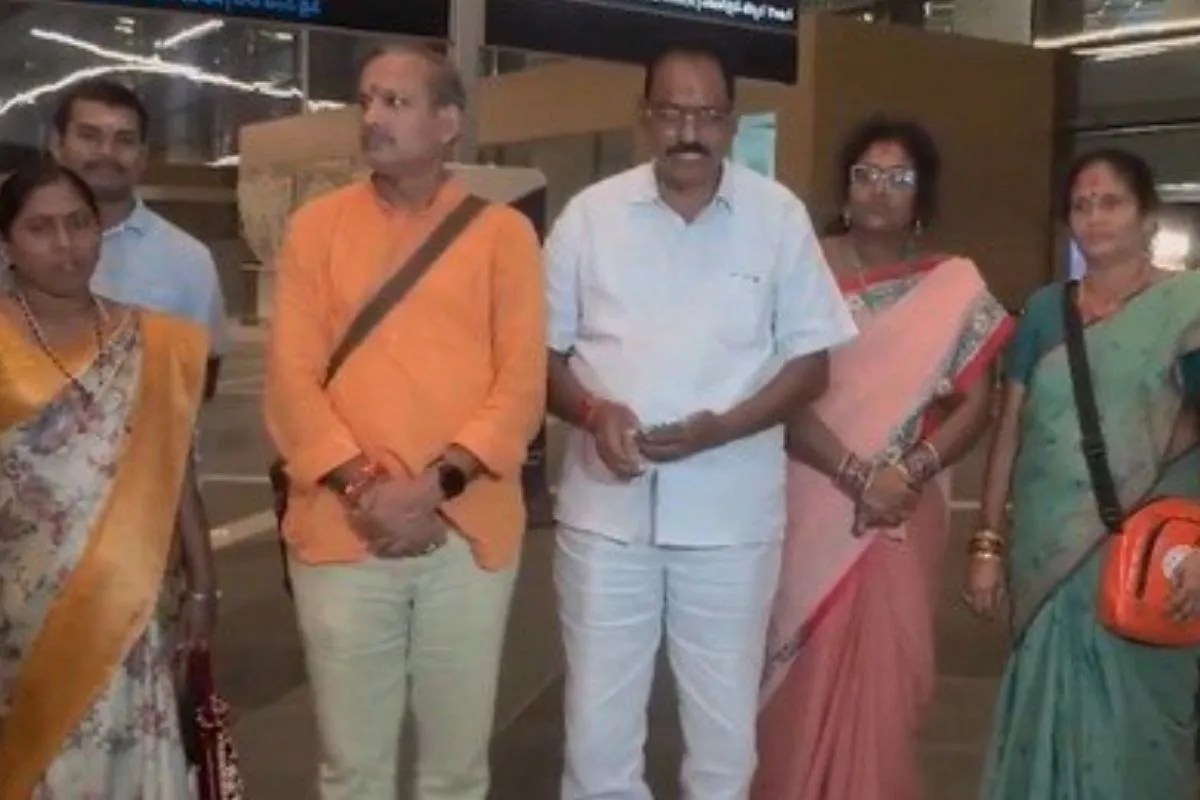
Twenty-six pilgrims from India had completed the arduous spiritual leg of their journey toward Lake Mansarovar. They had witnessed the holy waters mirroring the jagged sky. They had felt the thin, freezing wind that strips away worldly noise. But on the return journey, the fury of nature intervened. Nepal dissolved into torrential downpours, flash floods, and sudden landslides that swallowed roads and severed bridges.
Families back home stared at flickering television screens, watching anchor faces contort around breaking news of bridges washed away and tourists stranded in remote valleys. Panic is a quiet, heavy thing when it arrives across a long-distance phone call that drops mid-sentence.
Why were those twenty-six people safe?
Visa delays.
In almost any other context, a delayed visa is an administrative failure. It is the punchline of a bureaucratic joke. It is the lost afternoon, the wasted hotel fee, the rising blood pressure of a traveler eager to move forward. But in the unpredictable theater of Himalayan geography, a delay functions like a slow-motion safety brake. While other groups pushed forward into the storm zones, these twenty-six souls were held back by stamps that had not yet dried, by signatures still waiting on a desk.
The Weight of Waiting
I remember standing in a dimly lit consular office years ago, watching the clock tick past closing time while my passport remained trapped behind a frosted glass window. The anger was absolute. Every minute felt stolen from my itinerary.
That is the flaw in how we view time when traveling. We treat every delay as an obstacle to be smashed rather than a pause engineered by forces we cannot see.
When the floods hit the transit routes between Tibet and Nepal, the physical geography shifted in hours. Roads that were solid slate in the morning became cascading waterfalls by evening. If those twenty-six pilgrims had received their clearance on schedule, they would have walked straight into the choke points where boulders later crushed vehicles and mudslides erased paths.
Instead, they waited. They drank bitter tea in damp common rooms. They grumbled about government efficiency. And in doing so, they survived.
The Irony of the Route
Lake Mansarovar demands a surrender of control. No traveler conquers the Tibetan plateau; you are merely allowed to pass through it if the elements permit.
When the news finally broke that all twenty-six pilgrims had returned safely—flown or driven out once emergency corridors opened—the realization settled softly over those who understood the region. The very system that tested their patience became their shield.
We spend our lives fighting the friction. We push against red tape, against canceled flights, against the stubborn hesitation of gatekeepers. We believe speed is synonymous with success.
Look closer at the wreckage left behind by the flash floods. Speed was the variable that put travelers in the wrong place at the exact wrong second. The delay was a blessing disguised as a nuisance.
Next time you are stuck in a queue, waiting for a signature that refuses to appear, or staring at a customs window while the clock bleeds away, pause. Consider what might be waiting for you down the road if you arrived right on time. Sometimes, the universe protects us by making us wait.