Cultural export has long been a weapon of choice for superpowers. When Washington spent decades projecting the myth of the American dream through celluloid blockbusters, Beijing watched closely. Now, the geopolitical playbook has flipped. The recent box office triumph of Chinese cinema tackling high-stakes themes of gastronomy, corporate maneuvers, and social rescue missions is not merely an accident of local ticket sales. It represents a calculated evolution in state-sponsored public diplomacy.
The strategy relies on a sophisticated mechanism. Instead of relying on overt lecturing, modern domestic hits package state priorities into slick, emotionally charged narratives that resonate deeply with domestic audiences while attempting to polish the nation's image abroad.
The Anatomy of a State-Approved Hit
Commercial viability and ideological alignment no longer exist in separate silos within the Chinese studio system. A generation ago, state-backed films were wooden, predictable exercises in propaganda that struggled to fill theaters. Today's productions boast Hollywood-level production values, breathless pacing, and hyper-polished cinematography.
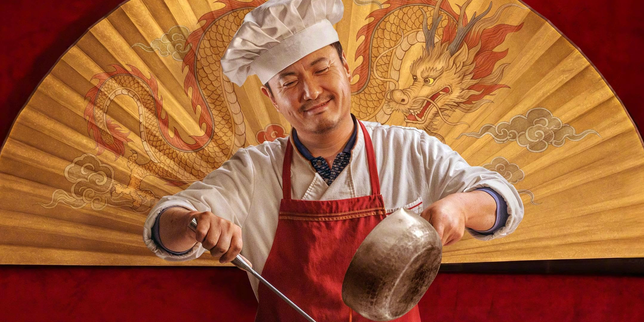
Take the recent wave of films centering on culinary arts and corporate restructuring. On the surface, the viewer receives a high-stakes drama about a brilliant chef saving a failing enterprise or an underdog community coming together to protect its vulnerable youth. Beneath that surface layer lies a meticulously crafted endorsement of institutional stability, technological modernization, and benevolent leadership.
The formula works because it targets the anxieties of the urban middle class. Economic cooling, professional burnout, and social pressures create a fertile ground for cinematic catharsis. When a blockbuster resolves these complex systemic tensions through the triumph of resilient individuals guided by wise oversight, it offers psychological relief.
The Soft Power Calculus Beyond the Border
Exporting these films to international markets remains a separate battle. While domestic audiences flock to theaters for shared cultural touchstones, foreign markets present a different puzzle. Western audiences often view heavily nationalistic undertones with skepticism, reading between the lines of every corporate rescue and government-backed hero's journey.
To counter this friction, production houses lean heavily on universal human emotions. Food, family survival, and the protection of children transcend language barriers. When a cinematic narrative frames China as a stabilizing force in a chaotic world—protecting supply chains, saving corporate ecosystems, and nurturing the next generation—it is pitching a specific geopolitical narrative. The message is clear: stability, technological integration, and disciplined governance deliver results.
Critics abroad often dismiss these films as state propaganda tools. That dismissal misses the point. Propaganda only succeeds when people want to watch it. By investing heavily in top-tier talent, state-of-the-art visual effects, and relatable character arcs, Beijing has managed to make its core political values entertaining.
The Economic Engine Fueling the Narrative
None of this happens without deep pockets and rigorous market oversight. The financial architecture supporting these cinematic blockbusters involves a complex web of state subsidies, private equity, and distribution mandates. Studios that align their scripts with national strategic goals find themselves rewarded with prime release dates, tax incentives, and institutional backing.
This financial muscle alters the global entertainment landscape. As Hollywood struggles with franchise fatigue and creative stagnation, the Chinese domestic market continues to generate staggering revenue figures, allowing its studios to greenlight mega-productions that do not rely on Western box office validation.
The implications stretch far beyond ticket sales. When a nation controls the narrative of its own economic resilience and social compassion on a massive cinematic scale, it shapes how its citizens perceive their place in the global order. It also challenges the traditional monopoly that Western media held over international storytelling for nearly a century.
The credits roll, the house lights come up, and the audience files out into the neon-lit streets of Beijing or Shanghai, carrying a carefully curated vision of the modern state. The box office receipts are counted, the political objectives are met, and the global cultural war enters its next, sharper phase.