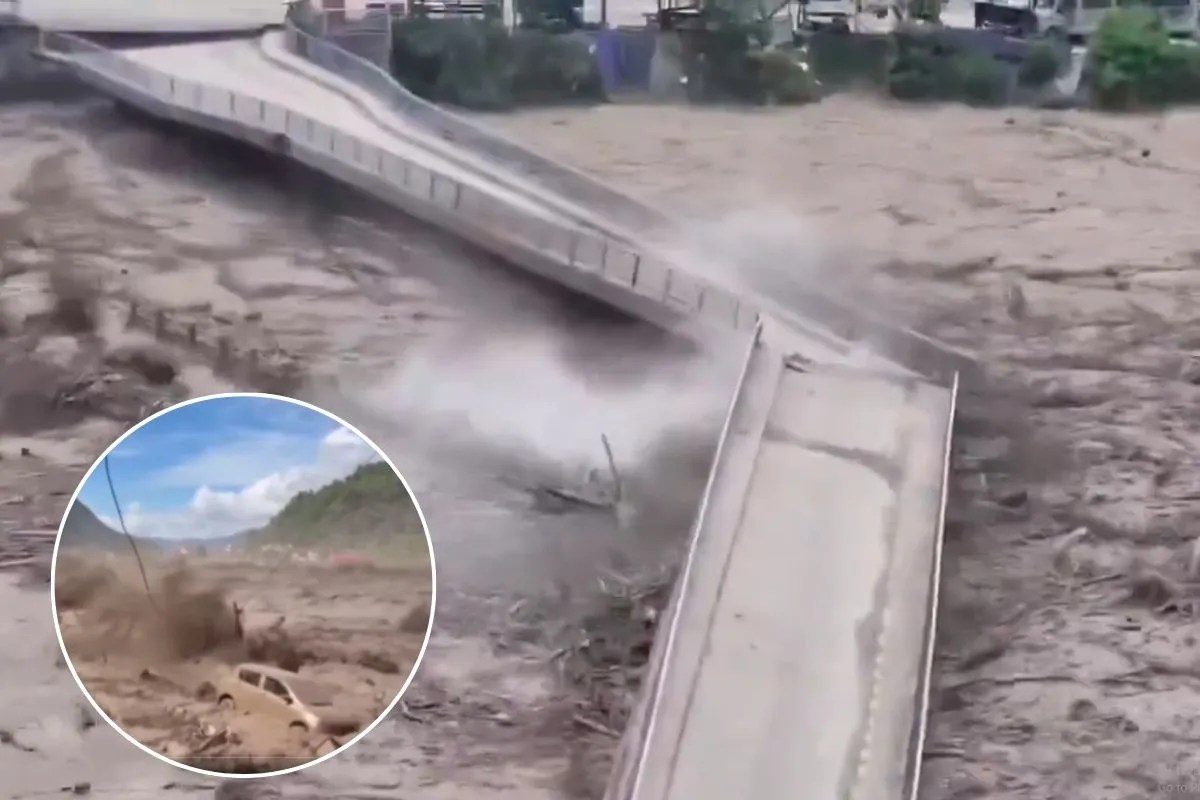
Every monsoon season, the headlines write themselves. Raging rivers swell, concrete buildings dissolve into chocolate-brown sludge like sugar cubes in hot tea, and frantic tickers flash the toll of missing travelers. The knee-jerk media reaction points a trembling finger at the skies, wringing hands over freak weather events and angry deities.
Stop buying the fiction.
Nature did not sweep those structures away. Human arrogance did. When a massive flash flood obliterates hotels, roads, and bridges in the Himalayan foothills, the root cause is rarely meteorological. It is engineering hubris, political cowardice, and an unchecked tourism economy that treats riverbeds as prime real estate.
The Myth of the Unforeseeable Natural Disaster
The lazy consensus in disaster reporting treats every seasonal deluge as an act of God. We hear about unprecedented rainfall, cloudbursts, and anomalies. Meteorologists track precipitation, but water volume is only half the equation. The other half is velocity, and velocity is entirely man-made.
When you channel a dynamic river system with narrow concrete embankments, strip away stabilizing riparian vegetation, and cram multi-story hotels directly onto active floodplains, you are not developing land. You are building a hydraulic guillotine.
I have walked these river corridors after the water recedes. The pattern is always identical. The river is not expanding; it is simply trying to reclaim the space we stole from it. Every square meter of concrete poured over natural drainage channels acts as a slick slide, accelerating runoff instead of absorbing it. When 105 tourists vanish because buildings dissolve in seconds, the tragedy is not that the river rose. The tragedy is that we built houses of cards on top of a hydraulic fuse.
"A flood is an act of God only when we forget that geography has rules."
Why Our Emergency Response Protocol is Backward
When disaster strikes, the immediate focus turns to rescue operations and missing person headcounts. While emergency personnel perform heroic work in impossible conditions, our systemic obsession with post-disaster firefighting ignores the pre-disaster arson.
Governments panic, dispatch helicopters, distribute temporary relief funds, and then immediately approve permits to rebuild the exact same structures in the exact same hazardous zones. It is a loop of willful blindness.
Here is the uncomfortable truth: disaster tourism management is broken because it treats symptoms while subsidizing the disease. Insurers and local zoning boards look the other way because the immediate cash flow of seasonal tourism outweighs long-term geological reality. We monetize the view of a roaring river, completely ignoring the geological reality that the river dictates who stays and who goes.
The Counter-Intuitive Fix Nobody Wants to Hear
If we want to stop writing obituaries for travelers caught in flash floods, we need to abandon our current playbook entirely.
First, we need mandatory structural setbacks based on historical water flow dynamics, not political convenience. If a building sits within the hundred-year scouring zone of a Himalayan river, it should be demolished, period. No variances, no bribes, no grandfather clauses.
Second, we need to redefine what responsible travel looks like. Tour operators pushing deep into fragile mountain ecosystems during peak monsoon seasons need to face strict liabilities. Treating the mountains like an adventure theme park where the rules of physics do not apply is a lethal delusion.
The next time you watch footage of a multi-story hotel snapping at the foundation and vanishing into the brown foam, remember what you are actually looking at. You are not witnessing the wrath of nature. You are watching the inevitable invoice for ignoring common sense.
Tear down the riverbank walls. Give the water its room back. Or accept the body count as the price of our own stubbornness.