The aviation press loves a simple fairytale. A plane encounters trouble, a pilot lands it safely, politicians hand out medals, and everyone goes home feeling warm and fuzzy about the miracle of human bravery.
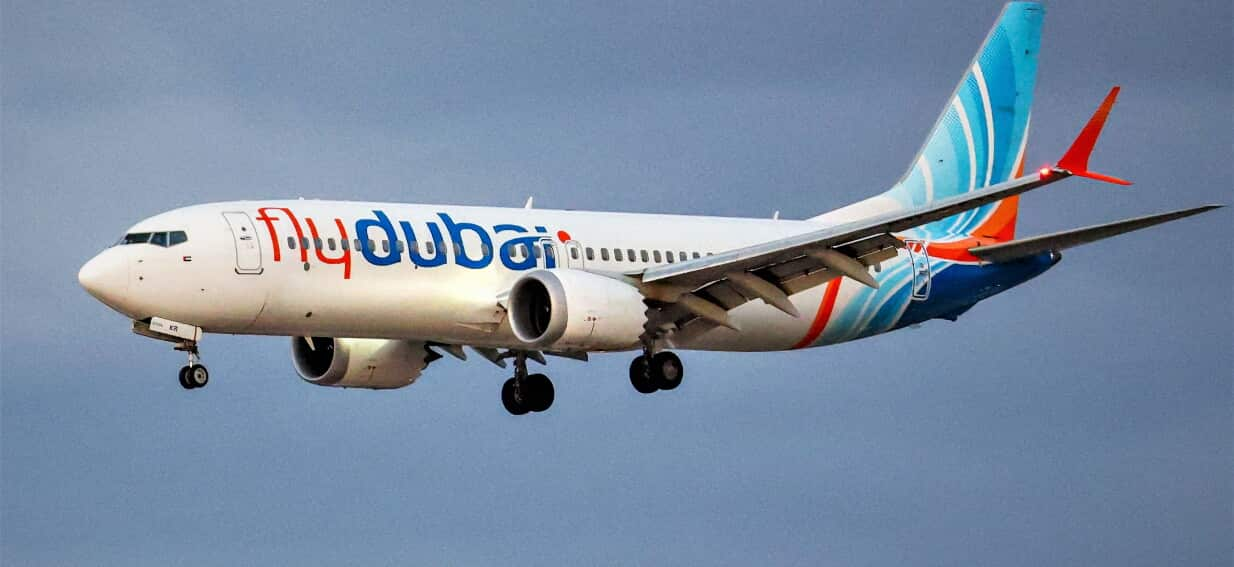
That exact narrative is currently drowning out the real story behind Flydubai Flight FZ1073.
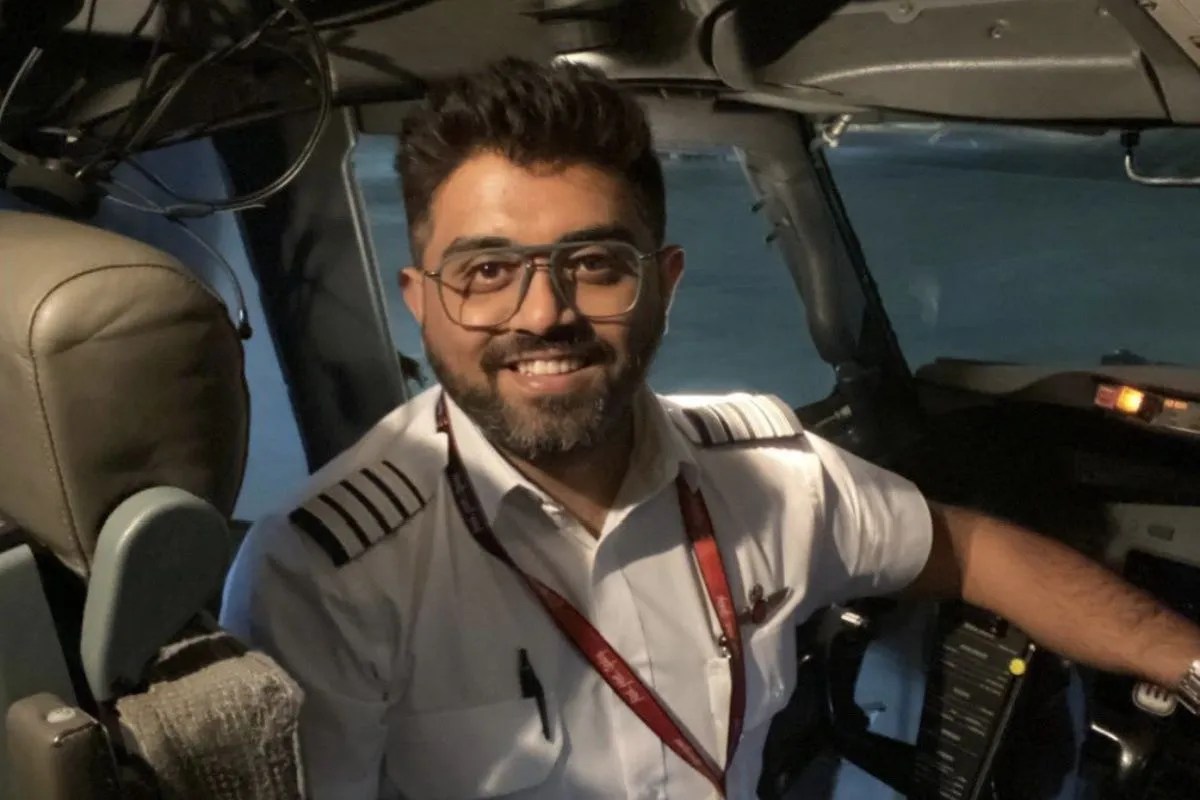
When headlines erupted celebrating Indian pilot Smit Machhar—complete with high-profile praise from Donald Trump calling him a "hero" and official updates from the Indian Embassy assuring the public of his condition—the media defaulted to its laziest trope. They turned a complex, high-stakes operational event into a personality cult. By framing the survival of a commercial flight around individual heroism, commentators and politicians are actively obscuring the structural realities that keep commercial aviation from falling out of the sky every single day.
Calling a commercial airline captain a hero for executing emergency procedures is like calling a surgeon a miracle worker for washing their hands before an operation. It sounds flattering, yet it completely misunderstands the profession.
The Danger of the Hero Complex in the Cockpit
Commercial aviation did not become the safest mode of transport in human history because airlines recruited fearless mavericks. It became safe because the industry systematically engineered heroism out of the cockpit.
For decades, aviation safety was plagued by the "Right Stuff" mentality—the romanticized notion that a captain is an infallible, solo-flying demi-god who wrestles rogue machines into submission through sheer grit. That mindset killed thousands of people. Throughout the 1970s and 1980s, accident investigators at the National Transportation Safety Board (NTSB) and the International Civil Aviation Organization (ICAO) repeatedly found that crashes weren't caused by a lack of bravery. They were caused by ego, rigid hierarchy, and pilots treating emergencies as personal tests of valor rather than collaborative, procedural problems.
When political figures like Donald Trump slap the "hero" label onto Captain Smit Machhar, they are projecting a political soundbite onto a technical discipline. Politicians love heroes because heroes simplify complex narratives. A hero requires no systemic accountability, no scrutiny of fleet maintenance schedules, no awkward questions about regional air traffic congestion, and no investigation into why an emergency occurred on Flight FZ1073 in the first place.
If you praise the individual excessively, nobody asks why the system failed enough to require an emergency response.
Procedure Over Passion
Let’s look at what actually happens when an emergency unfolds on a modern airliner like a Boeing 737.
There is no dramatic clenching of the jaw. There is no improvising a daring maneuver out of thin air. Instead, there is cold, monotonous adherence to the Quick Reference Handbook (QRH).
- Aviate. Keep the wings level and the airspeed within the flight envelope.
- Navigate. Point the nose away from terrain and toward a suitable runway.
- Communicate. Inform Air Traffic Control of the squawk code and intentions using standardized phraseology.
Smit Machhar did not save Flydubai Flight FZ1073 through superhuman intuition. He did his job using thousands of hours of muscle memory drilled into him inside Level-D full-flight simulators. Every six months, commercial pilots are locked in a hydraulic box and subjected to cascading failures—engine fires, cabin depressurization, windshear, hydraulic leaks—until their response to terror is indistinguishable from boredom.
To call that heroism diminishes the grueling, unglamorous reality of aviation training. Worse, it sets a toxic precedent. When we glorify the pilot who survives an anomaly, we subtly imply that survival depends on exceptional talent rather than standardized, repeatable systems that every single pilot in the world must be capable of executing on their worst day.
What the Diplomatic Noise Hides
Look closely at the coverage surrounding the Indian Embassy’s updates on Machhar’s condition. Diplomatic intervention in aviation incidents is standard protocol when a national citizen is involved in a high-profile event abroad, particularly in the Gulf region where Indian nationals form the backbone of the expatriate workforce and aviation sector.
Yet the media’s fixation on the embassy’s statements and political endorsements creates a smokescreen. While the public clicks on stories about diplomatic phone calls and celebrity-style praise, the actual operational questions regarding Flight FZ1073 vanish from the front page.
- What was the exact nature of the technical or external anomaly? Without clear, transparent preliminary data from the relevant civil aviation authorities, public speculation runs wild, breeding either baseless panic or blind complacency.
- How did Crew Resource Management (CRM) function between the flight deck and cabin crew? A captain never lands a plane alone. The First Officer managing the radios and checklists, alongside the cabin crew preparing passengers for potential evacuation, are equally responsible for a zero-fatality outcome.
- What role did Air Traffic Control play in clearing airspace? Clearing a busy corridor in the Middle East—one of the most congested aviation hubs on the planet—requires split-second coordination across multiple radar sectors.
By reducing the event to a single name and a political quote, the press erases the entire ecosystem of safety professionals who make modern flight possible.
The Real Reason Aviation Is Safe (And Why It’s Fragile)
I have spent years analyzing operational failures across high-reliability industries, from commercial flight decks to surgical theaters. Every time an organization celebrates a "heroic save," you can almost guarantee there is a latent systemic flaw waiting to strike again.
In aviation safety literature—specifically the foundational work of psychologist James Reason and his "Swiss Cheese Model" of accident causation—every incident is the result of multiple defensive layers failing simultaneously. Those layers include:
| Defensive Layer | Primary Function | What Happens When It Fails |
|---|---|---|
| Engineering & Redundancy | Dual or triple-redundant hydraulics, avionics, and engines. | Forces the crew into degraded flight control laws. |
| Preventative Maintenance | Scheduled inspections, component replacement before failure. | Introduces mechanical anomalies mid-flight. |
| Standard Operating Procedures | Step-by-step checklists for abnormal events. | Leaves pilots guessing under extreme cognitive load. |
| Crew Resource Management | Shared situational awareness and cross-checking. | Leads to tunnel vision and unchallenged pilot error. |
When Captain Machhar brought FZ1073 down safely, he was acting as the final slice of Swiss cheese. He caught the holes that aligned in front of him.
That is commendable professionalism. It is competent airmanship. It is the exact standard passengers pay for when they buy a ticket.
However, celebrating the final defensive layer while ignoring the holes in the first three layers is reckless. If a mechanical issue forced the emergency, the maintenance protocols need scrutiny. If an airspace or weather issue caused it, dispatch and routing algorithms need auditing. If fatigue played any role in how the crew experienced the event, airline scheduling models need an overhaul.
The Uncomfortable Truth About Pilot Training Today
There is a massive elephant in the hangar that nobody cheering for Smit Machhar wants to acknowledge: the global aviation industry is currently experiencing a quiet crisis in manual flying skills.
Over the past two decades, cockpit automation has become extraordinarily sophisticated. On a routine flight, a pilot might manually fly the aircraft for less than three minutes—two minutes after takeoff and sixty seconds before touchdown. The rest of the time, the Flight Management System (FMS) and autopilot do the heavy lifting.
The unintended consequence? Automation dependency. When computers fail, or when an aircraft encounters an edge-case scenario that the software wasn't programmed to handle, pilots have to revert to raw hand-flying skills that have atrophied from disuse.
This is why the performance of the crew on FZ1073 matters—not as a tale of mythical heroism, but as a case study in maintaining manual proficiency in an automated era. When things go sideways, you do not rise to the occasion; you sink to the level of your training. If Machhar and his First Officer kept their cool and flew the aircraft cleanly through an abnormal event, it proves that their recurrent simulator training actually worked.
Dismantling the Myths Around Emergency Landings
Whenever a flight makes headlines, public search queries explode with misconceptions fueled by Hollywood disaster movies. Let’s clear the air on what actually happens during an aviation emergency.
Myth 1: Emergency landings are rare, near-death miracles
In reality, commercial airlines declare emergencies or "pan-pan" urgency calls every single day around the world. A cracked windshield, a faulty sensor indicating a cargo fire, a passenger medical crisis, or a minor hydraulic leak will trigger a priority diversion. Over 99.9% of these events end with the aircraft taxiing safely to the gate, passengers deplaning normally, and zero media coverage. The only difference with FZ1073 is that political figures amplified the story.
Myth 2: The captain makes all the decisions alone
Modern flight decks operate on a flattened hierarchy. If a captain makes an unsafe call during an emergency, the First Officer is explicitly trained and legally obligated to challenge them. We saw the catastrophic cost of ignoring this rule in crashes like Tenerife (1977) and Korean Air Flight 801 (1997). Today, good airmanship is measured by how well a captain listens, delegates, and manages workload—not how loudly they command the room.
Myth 3: Surviving an emergency proves the airline has zero flaws
Safe outcomes often breed organizational complacency. Sociologist Diane Vaughan coined the term "normalization of deviance" while studying the Space Shuttle Challenger disaster. When an organization repeatedly escapes disaster due to the skill of its operators, management begins to assume the system is invulnerable. Praising the pilot while ignoring the root cause of the incident is the fastest way to ensure the next crew isn't so lucky.
The Downside of Stripping Away the Hero Narrative
Let’s be brutally honest about the trade-offs of this cold, analytical perspective.
If you strip away the hero narrative, you strip away the human element that helps terrified flyers cope with the reality of hurtling through the upper troposphere in a pressurized aluminum tube at 500 miles per hour. Passengers want to believe a guardian angel is sitting in Seat 0A. Telling an anxious traveler that their safety depends on probabilistic risk modeling, bureaucratic regulatory oversight, and monotonous checklist verification doesn't soothe their nerves—it makes them feel like a statistic.
Furthermore, recognizing individual excellence has real morale value. Commercial pilots endure brutal circadian rhythm disruption, high divorce rates, relentless medical scrutiny, and immense legal liability. When a pilot executes under pressure and walks away, acknowledging their composure validates the sacrifices required to master the craft.
Smit Machhar deserves respect from his peers and gratitude from his passengers. Recovering from a high-stress aviation event takes a genuine physiological and psychological toll, which explains why diplomatic channels and family networks stepped in to monitor his condition afterward. Adrenaline dumps leave lasting marks.
What Aviation Needs Instead of Applause
If politicians, media outlets, and travelers actually want to honor the crew of Flydubai Flight FZ1073, they need to stop handing out rhetorical trophies and start demanding systemic transparency.
- Demand rapid, unvarnished incident reporting. Civil aviation authorities frequently sit on preliminary findings for months or years to protect national carriers or manufacturers from liability. Safety improves only when data is shared immediately across the global fleet.
- Protect whistleblowers in maintenance and manufacturing. The best pilot in the world cannot out-fly a structural failure or a falsified maintenance log. Airlines must reward mechanics who ground planes, not penalize them for causing delays.
- Reject vanity metrics in airline safety. On-time performance and fuel efficiency bonuses often subtly pressure crews into cutting corners—flying too close to convective weather or accepting borderline aircraft MEL (Minimum Equipment List) deferrals. Safety must remain completely decoupled from commercial incentives.
- Invest in upset prevention and recovery training (UPRT). Regulators must mandate more real-world aerodynamic training so pilots know how an aircraft behaves outside the normal flight envelope, long before a computer tells them they are in trouble.
Stop Looking for Saviors in the Sky
The next time a flight runs into trouble and lands safely, watch how the narrative unfolds. Watch the politicians rush to attach their names to the pilot's coattails. Watch the headlines turn a complex socio-technical triumph into a cheap superhero origin story.
Then look past the noise. Look at the checklists, the maintenance hangars, the air traffic controllers, and the regulatory frameworks that kept the tragedy from happening.
A commercial airline pilot’s ultimate job is to make sure nothing exciting ever happens on your flight. When something exciting does happen, and everyone walks away, don't build a statue to the pilot—audit the machine that put them in that position.