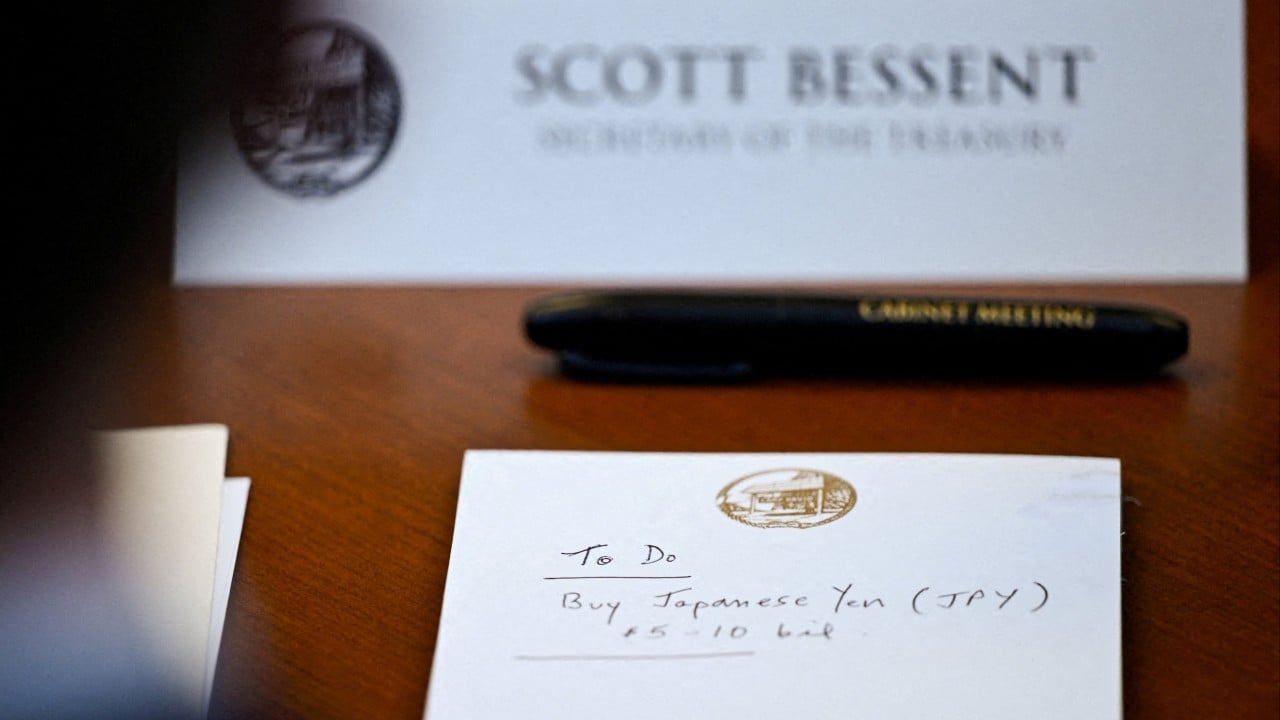
Everyone is popping champagne over the joint rescue of the Japanese yen. Headlines declare that Washington swooped in to drag Tokyo out of a forty-year economic abyss.
They are missing the entire plot.
This rare bilateral intervention by the U.S. Treasury and the Bank of Japan is not a victory lap for global monetary harmony. It is a panic-driven patch on a rotting hull. When the New York Fed started swapping currency to prop up a sliding yen, analysts screamed about cooperation. They ignored the mechanics.
I have watched desks blow millions trying to fight currency gravity. This market reaction is no different.
Let us dismantle the lazy consensus.
The Carry Trade Mirage
The mainstream narrative blames the yen's collapse entirely on interest rate differentials. The story goes like this: the Bank of Japan kept borrowing costs near zero while everyone else hiked rates, fueling the infamous carry trade where speculators borrow cheap yen to buy higher-yielding dollar assets.
That is only half the equation, and it is the lazy half.
The structural flaw is not just that rates are mismatched. It is that Japan’s entire state architecture is structurally addicted to a weak currency. For decades, a deflating local unit masked an economy suffocating under a debt-to-GDP ratio exceeding two hundred percent.
When the yen scraped near 164 to the dollar, it broke the psychological barrier. But propping it up artificially with billions in central bank buying does not fix the underlying productivity slump. It just gives short-sellers a more expensive entry point.
The Bond Market Backdoor
Look closer at why Washington actually decided to play savior.
Conventional reporting tells you Donald Trump and Treasury Secretary Scott Bessent wanted to help a key Asian ally out of pure diplomatic goodwill. Read the room. Geopolitical altruism does not exist in central banking.
Japan holds a staggering volume of U.S. Treasuries. To fund past solo interventions, Tokyo had to liquidate chunks of those sovereign holdings. When foreign buyers start dumping U.S. government debt, American borrowing costs spike.
Washington did not buy yen out of the goodness of its heart. They stepped in to prevent Japan from triggering a U.S. bond market bloodbath.
It was self-preservation disguised as charity.
Why The Fix Will Fail
Central bank interventions without structural rate hikes are temporary sugar rushes.
Imagine a scenario where a heavy smoker slathering nicotine patches on their chest while continuing to run marathons in a smoke-filled room. That is the Bank of Japan right now. Governor Kazuo Ueda is trapped. If he raises interest rates aggressively to support the currency, the interest payments on Japan's monumental national debt detonate the domestic budget. If he leaves rates low, the currency bleeds out again.
Buying five to ten billion dollars worth of yen on a Friday afternoon makes for great photo ops and viral notepads. It does nothing to change the macroeconomic reality.
Markets sniff out artificial price floors instantly. Speculators are already reloading their short positions while retail investors celebrate a manufactured bounce.
What You Should Do Instead
Stop trading headlines about international friendship.
If you are exposed to Japanese equities or currency products, treat this intervention as a temporary exit window, not a trend reversal. Exporters who profited off a cheap yen are about to face margin compression, while domestic importers get a fleeting reprieve on soaring energy and food costs.
The systemic disease remains uncured. Currency interventions buy time, but time is the one thing Tokyo's balance sheet has run out of.
The bill always comes due. Next time, the rescue squad won't show up.