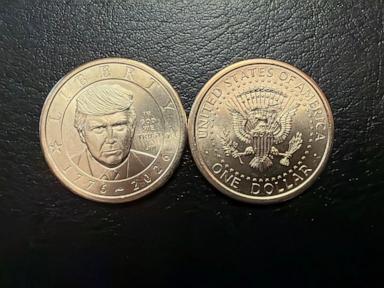
The internet is currently having a collective, predictable meltdown over the United States Mint dropping a new one-dollar coin featuring Donald Trump's face for the nation's semiquincentennial.
Outraged pundits scream about democratic norms, constitutional dogmas, and the ancient legal tradition barring living faces from American currency. Meanwhile, supporters treat it as a permanent cultural victory carved in manganese-brass.
Both sides are falling for the oldest distraction trick in the institutional playbook.
You are staring at the engraving of a face while the Treasury department quietly runs a masterclass in modern retail arbitrage. The controversy over whether a living president belongs on legal tender completely misses the structural reality of how state-sponsored collectibles actually function.
Let us look at the mechanics. The U.S. Mint is selling these golden dollar coins—which contain zero actual gold, opting instead for a cheap alloy mix of copper, zinc, manganese, and nickel—at a massive markup. A 25-coin roll costs sixty-one dollars. A 100-coin bag runs one hundred fifty-four dollars and fifty cents. That translates to paying over two dollars and sixty cents for a single-use token stamped with a face value of one dollar.
This is not monetary policy. This is high-margin merchandise dressed up in government authority.
To understand why this move is brilliant from a cynical bureaucratic perspective, we have to look past the political theater and examine the economics of modern numismatic monetization. Governments realized long ago that physical currency circulation is a dying asset class. Paper cash usage is bleeding out, replaced by digital ledgers and tap-to-pay convenience. Nobody walks around with pockets full of heavy dollar coins. The Mint knows this. The Treasury knows this.
So, what do you do with a legally mandated coin program for the 250th anniversary? You weaponize political tribalism to turn deadweight metal into an instant cash-flow generator. By stamping a lightning-rod figure onto a short-run commemorative piece, they engineered an immediate bottleneck. Traffic crashed the Mint's servers within minutes. Collectors, speculators, and partisan loyalists rushed to lock down inventory, paying a fifty-plus percent premium over face value before the digital ink was even dry.
The lazy consensus in every mainstream take is that this coin represents a dangerous shift in democratic iconography. That argument assumes people are actually going to use these things to buy a pack of gum at a gas station. They are not. These coins will go straight from a Fed-adjacent warehouse into protective plastic slabs, dark closets, and eBay storefronts.
Let us define what is actually happening here with precision. This is sovereign merch drops. It shares more DNA with a Supreme streetwear drop or a Taylor Swift ticket tier than it does with the Federal Reserve's monetary policy. The administration leveraged a 2020 congressional act authorizing 2026 anniversary designs, sidestepped the advisory committees who balked at the protocol break, and created an artificial scarcity loop with 250,000 special "July 4th" privy-mark variants hidden randomly in the bags.
It is a brilliant, ruthless exploitation of behavioral economics.
Does it break historical precedent? Technically, yes, though purists forget that Calvin Coolidge appeared on a commemorative half-dollar during his active term back in 1926. But focusing on the legality or the tradition is a sucker's game. It ignores the financial genius of extracting pure profit margins from citizens who are more than willing to fund the federal printing apparatus because they want a piece of political memorabilia.
If you are buying these rolls thinking you have secured a retirement asset, you are likely mistaken. Modern mass-produced "collectibles" minted in the millions rarely hold long-term value once the initial cultural panic subsides. The secondary market is littered with commemorative state quarters and presidential dollar series that currently trade right back down to face value once the speculators move on to the next shiny object.
Stop arguing over whether his face belongs on the metal. Start paying attention to how effortlessly the state can turn your political obsessions into an immediate retail tax.
The joke isn't on the constitution. The joke is on the line of buyers paying two-fifty on the dollar for copper alloy.
Trump coin rolls out in fall 2026
This video provides an up-close look at the official U.S. Mint production and rollout strategy for the controversial commemorative currency.
http://googleusercontent.com/youtube_content/1