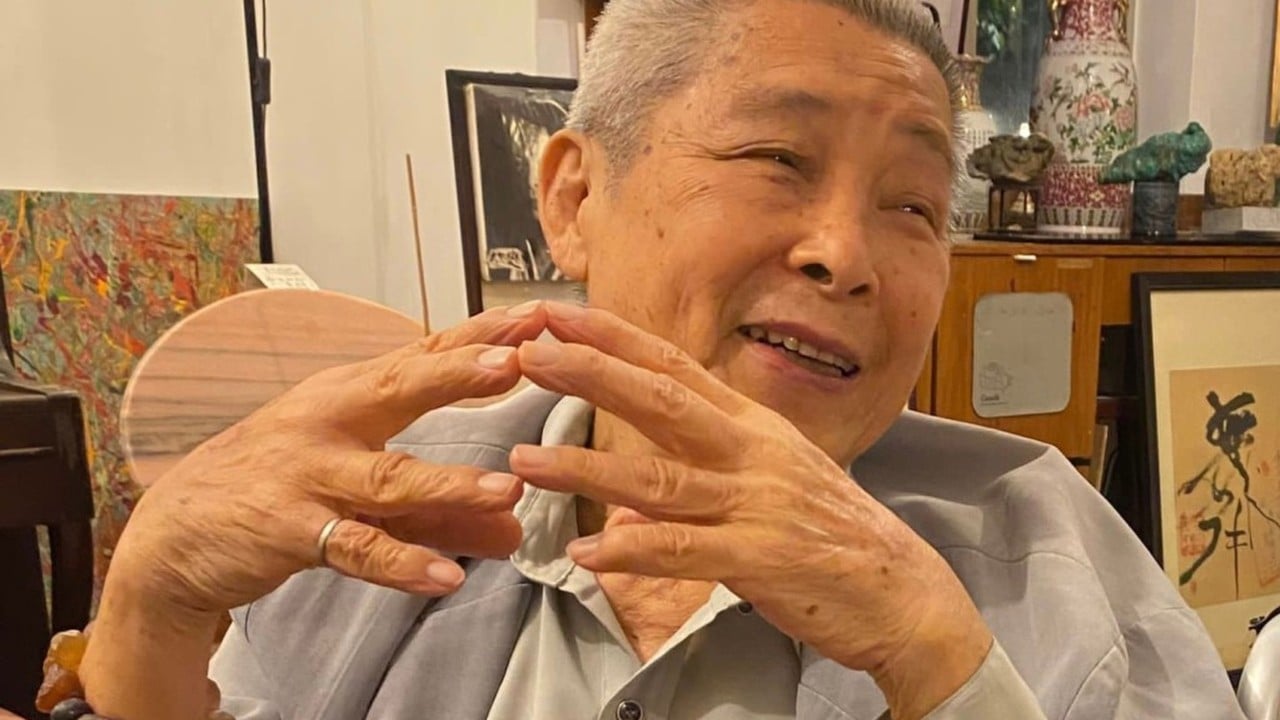
Another institutional obituary drops. The cultural bureaucrat sheds a calculated tear, the headlines recycle terms of reverence, and the public nods along to a script written decades ago. Hong Kong culture chief pays tribute to late actor and dance pioneer Lau Siu-ming, and everyone treats it like a profound cultural moment. It is nothing of the sort. It is a ritualistic exercise in public relations, designed to mask the slow execution of the very ecosystem that produced talents like Lau in the first place.
We love dead legends because they cost nothing to praise.
Lau Siu-ming was not merely a recognizable face from television dramas or a veteran of local cinema. He was a pioneer of modern dance in Hong Kong who trained in classical ballet, crossed boundaries between high art and popular media, and brought physical rigor to an industry that treated actors as interchangeable commodities. Yet, the official narrative focuses exclusively on his late-career ubiquity on TV screens, scrubbing away the grueling, independent foundational work that actually defined his life's trajectory.
The lazy consensus says that honoring these figures preserves Hong Kong's cultural memory. The reality is far more cynical. Official tributes function as a smoke machine, obscuring the hyper-commercialized void left behind. You cannot applaud a pioneer's legacy with one hand while starving the infrastructure required for the next generation of pioneers to survive.
The Myth of State Patronage and Cultural Preservation
Let us clear up a foundational misunderstanding right away. When bureaucrats step up to microphones to honor artists of Lau’s caliber, they frame government intervention as the guardian of heritage. History tells a completely different story.
Hong Kong cinema and performance art did not scale peaks because of official funding boards or bureaucratic oversight. They thrived precisely because of a chaotic, hyper-capitalist, unregulated wild west. Studios moved fast, directors improvised on set, and performers like Lau adapted instantly to shifting commercial demands.
I have watched local arts administrators burn millions of dollars on vanity festivals and committee-approved showcases that draw empty rooms, while independent dance troupes and fringe theaters get priced out of industrial spaces by skyrocketing rents. The system loves the finished product—the veteran actor receiving a lifetime achievement nod—while actively choking out the chaotic incubator that creates them.
Imagine a scenario where half the money spent on glossy bureaucratic press releases went directly into rehearsal space subsidies for young choreographers. The culture chiefs would panic because they cannot put a committee stamp on unmonitored grit.
Why We Romanticize the Past to Justify the Present
There is a psychological trap at play here. When a society begins to rely entirely on nostalgia, it signals creative bankruptcy.
Every time a titan passes away, the media cycle feasts on retrospective clips from the golden era of the 1980s and 1990s. Viewers consume these fragments like comfort food, letting the warmth of past brilliance wash away the cold reality of today's sterile, risk-averse entertainment landscape. We convince ourselves that Hong Kong was simply magical back then, as if that magic occurred spontaneously without a specific set of economic and social pressures.
It did not. That era was driven by hunger, fierce competition, and an audience that demanded emotional and physical authenticity.
When Lau Siu-ming transitioned from contemporary dance to television, television producers did not hire him out of charity. They hired him because his physical discipline gave him a commanding presence that untrained actors could not fake. He brought the weight of the stage into the living room.
Today, the industry prefers safety. Algorithms dictate casting. Looks are standardized in clinics before actors ever step in front of a camera. The raw edges are sanded down until every project looks like a polished corporate commercial.
The Uncomfortable Downside of True Artistic Independence
Of course, returning to an environment that breeds genuine pioneers has a massive human cost, and we must be honest about that.
The old system was brutal. Performers faced grueling hours, hazardous conditions, and zero job security. Lau Siu-ming’s generation worked through sheer tenacity because there was no safety net. Advocating for a return to radical independence does not mean romanticizing exploitation.
The sweet spot—which modern cultural policy consistently misses—is financial security combined with total creative freedom. Instead, we get the worst of both worlds: tight ideological and commercial constraints paired with precarious gig-economy survival for modern artists.
If you want to honor Lau Siu-ming, stop treating his career as an anomaly to be marveled at from afar. Treat it as a standard of versatility that contemporary media is too cowardly to demand.
Dismantling the Bureaucratic Script
People ask how we can better support local arts in an era of shifting global markets. The question itself is flawed. It assumes that arts funding is a plumbing problem—that you just need to pipe more money through the right bureaucratic valves.
Money without autonomy is just a leash.
The solution is not another government-backed committee handing out grants based on safe adherence to political and commercial guidelines. The solution is deregulation of physical space, aggressive protection of independent venues, and an audience that stops accepting recycled nostalgia as a substitute for cultural vitality.
Lau Siu-ming did not spend his youth learning ballet and modern dance to become a nostalgic footnote in a government press release. He did it to push boundaries.
The next time an official stands behind a podium to mourn a cultural icon, check to see what independent theater space closed down that same week. You will find your answer there.