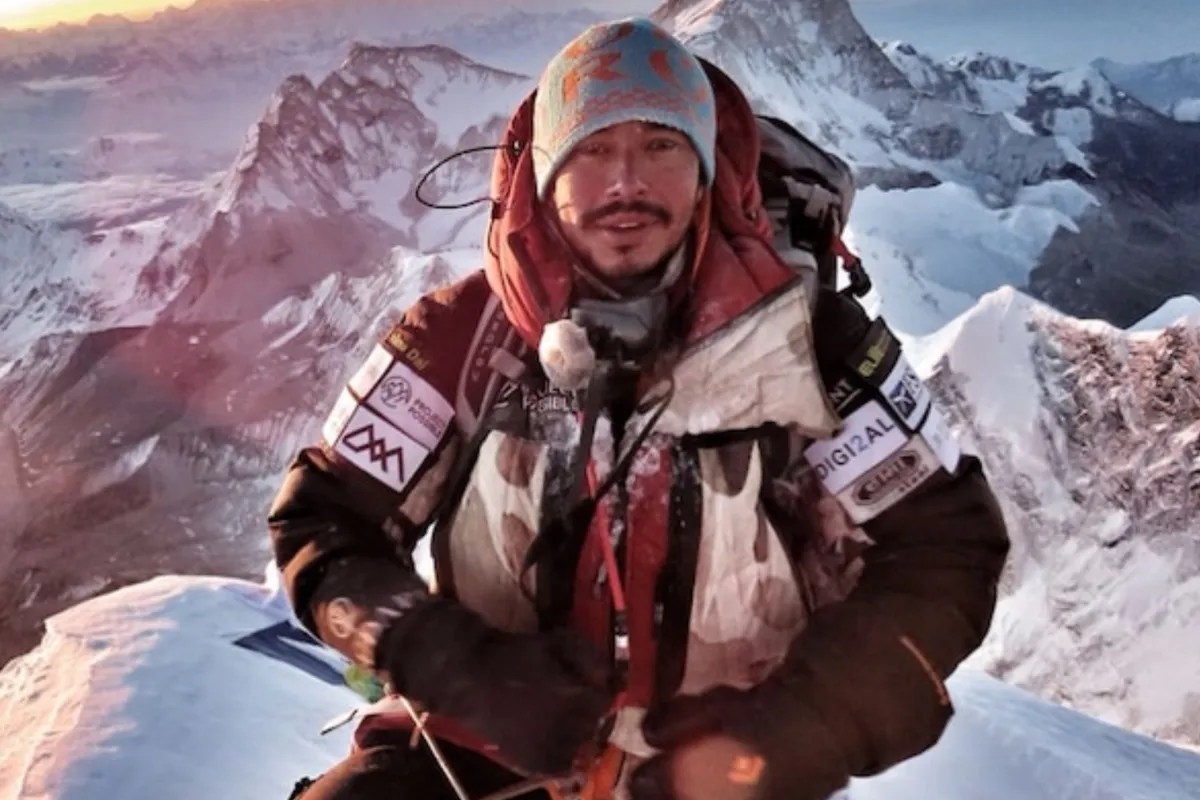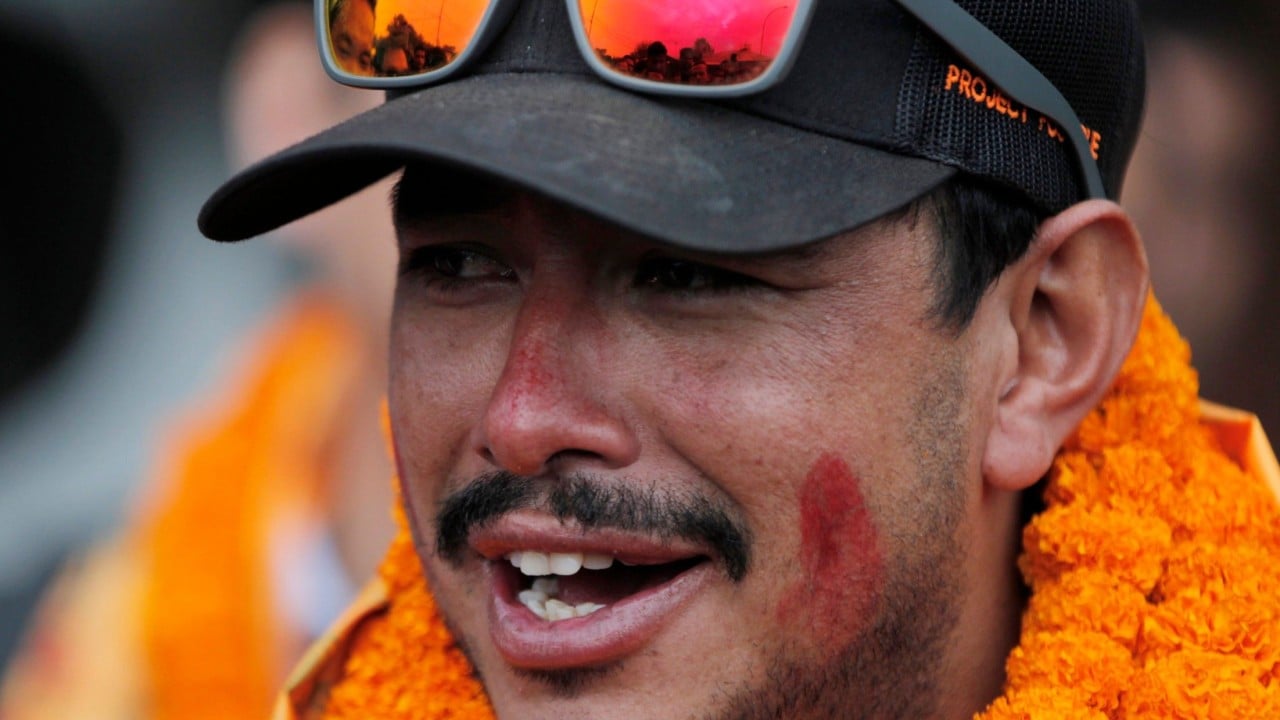
The internet is currently drowning in a predictable wave of grief, shock, and sanitized hagiography. When news breaks regarding a high-altitude tragedy, the standard machinery of media instantly shifts into neutral. Headlines lean on words like devastating, unexpected, and tragic. We are fed a steady diet of sanitized mourning that paints elite mountaineers as starry-eyed romantics caught in the unpredictable wrath of Mother Nature.
It is a comfortable lie. And it is completely false. In similar developments, read about: Inside the Saskatchewan Roughriders Short Yardage Mastery That Stunned Edmonton.
The death of figures like Nirmal Purja—or any elite mountaineer pushing the razor edge of commercialized extreme sports—is treated by the mainstream press as a freak accident of weather and misfortune. That framing ignores the structural reality of modern high-altitude tourism. Commercialized mountaineering on eight-thousanders is not a poetic quest for human potential anymore. It is an industrial logistics problem lubricated by venture capital, social media metrics, and high-stakes sponsorship deals.
When you turn the death zone of the Himalayas into an extreme adventure playground managed by fixed ropes, massive oxygen caches, and army-style sherpa support, you change the math of risk. Pretending that high-altitude deaths are anomalies is an insult to the architects of the modern commercial climbing industry. Sky Sports has provided coverage on this critical issue in great detail.
The Myth of the Unpredictable Mountain
Let us clear away the romantic fog immediately. For decades, the mainstream narrative around mountaineering has relied on a tired trope: brave souls pitted against a cruel, indifferent peak. This is the lazy consensus. It suggests that accidents happen because the mountain decided to throw a tantrum.
The data tells a completely different story.
Modern high-altitude incidents are rarely born of pure mystery. They are the calculated output of congestion, schedule pressure, commercial mandates, and summit-fever culture. When expeditions operate on tight marketing windows, sponsors demand content, and clients who have paid upwards of fifty thousand dollars expect a summit photo for their LinkedIn profile, the decision-making matrix shifts from survival to delivery.
I have watched companies burn millions on expeditions designed entirely around personal brand generation. I have sat in base camps where the conversation was not about weather windows or physiological limits, but about engagement rates, reel optimization, and keeping up with rival operators.
When you commodify a summit, you turn danger into a marketing asset. Risk is no longer a warning sign; it is the product. The more perilous the expedition looks on Instagram, the higher the perceived value of the ticket. Therefore, tragedies do not happen despite the commercialization of the peaks. They happen because of it.
Dismantling the Hero Worship
We need to talk about the cult of personality in modern mountaineering. The industry thrives on myth-making. We elevate individuals into superhuman entities who supposedly rewrite the laws of human physiology.
When Nirmal Purja smashed speed records during his Project Possible campaign, the media hailed him as a disruptor who defied conventional wisdom. He moved fast, bypassed traditional acclimatization protocols, and leaned heavily on bottled oxygen and massive logistics support to tick off all fourteen 8,000-meter peaks in record time.
The industry loved it because it sold a potent narrative: individual hustle beats structural limits.
Here is the inconvenient truth that nobody in the adventure sports PR machine wants to admit. Speed climbing utilizing heavy fixed-rope infrastructure and constant supplemental oxygen does not prove human limits. It demonstrates the efficiency of modern industrial supply chains at high altitude.
When you rely on fixed lines pre-rigged by local workers, Sherpas hauling multi-cylinder oxygen caches, and helicopter rescues standing by for extraction, you are not engaging in pure exploration. You are participating in high-altitude extreme tourism with an elite safety net.
The danger arises when the consumer of this product—or even the elite practitioner—starts believing their own marketing hype. When you convince yourself that you are immune to altitude sickness because your social media following depends on it, you cross the line from calculated risk into outright self-delusion.
The Economics of Altitude Tourism
To understand why these tragedies keep happening, follow the money.
High-altitude mountaineering is an economy driven by scarcity and ego. The democratization of peaks through commercial guiding agencies has turned regions like the Karakoram and the Himalayas into crowded corporate networking events. Base camps feature high-speed satellite internet, espresso machines, gourmet catering, and generators humming twenty-four hours a day.
This infrastructure creates a false sense of security. Clients walk into the death zone wearing technical shell jackets paid for by outdoor apparel sponsors, feeling insulated from reality because they are surrounded by logistical backup.
Then, reality asserts itself. A bottle of oxygen fails. A weather window narrows from days to hours. A bottleneck forms on a vertical ice wall because fifty clients are jammed onto a single rope installed for the season.
The guiding agencies face a brutal financial incentive to push forward. If an expedition aborts, refunds are demanded, reputations take a hit, and future booking pipelines dry up. The pressure to summit outweighs the physiological warning signs.
We can mourn the loss of human life while simultaneously holding the commercial ecosystem accountable for the environment it has engineered. Sobbing over a headline while ignoring the industrial mechanics that put the climber on that ridge is intellectual cowardice.
The Real Conversation We Refuse to Have
People ask: Should we ban commercial climbing on dangerous peaks?
That question completely misses the mark. It assumes that regulation can fix an industry built entirely on the appetite for extreme risk. Governments in Pakistan and Nepal rely heavily on the revenue generated by climbing permits, royalty fees, and local employment. Shutting down the mountains is an economic non-starter.
The real question is not whether we should stop climbing, but whether we have the courage to strip away the bullshit marketing and look at these expeditions for what they actually are.
If you want to climb, do it with eyes wide open. Acknowledge that you are buying a high-risk luxury experience subsidized by local labor and propped up by industrial logistics. Drop the pretense of spiritual awakening or heroic conquest.
And if you are an observer reading about these deaths from the safety of a desk, stop buying the narrative that nature is simply being cruel. Nature is indifferent. The commercial machine exploiting that indifference is what requires scrutiny.
Stop romanticizing the tragedy. Stop pretending it is a mystery.
The mountain didn't betray anyone. The system delivered exactly what it was designed to produce.