The lazy consensus among frustrated weekend warriors is that Hong Kong’s pilot reservation system for the High Island Geo Trail at Po Pin Chau is broken simply because it lacks real-time dashboards. Hikers are whining that if only the Agriculture, Fisheries and Conservation Department (AFCD) would build a live-updating tracker for freed-up slots, the ghost towns of empty reservation quotas mixed with long lines of disappointed walk-ups would vanish.
This is bureaucratic wishful thinking at its finest.
Demanding live data feeds for a 2,000-person daily cap on a coastal hiking track is treating a structural rot with a software patch. The problem is not that people do not know when a slot opens up; the problem is that zero-cost reservations treat public natural assets like free lottery tickets. When something costs nothing, people hoard it, waste it, and treat it with utter disregard.
The Economics of Free Concrete and Coastlines
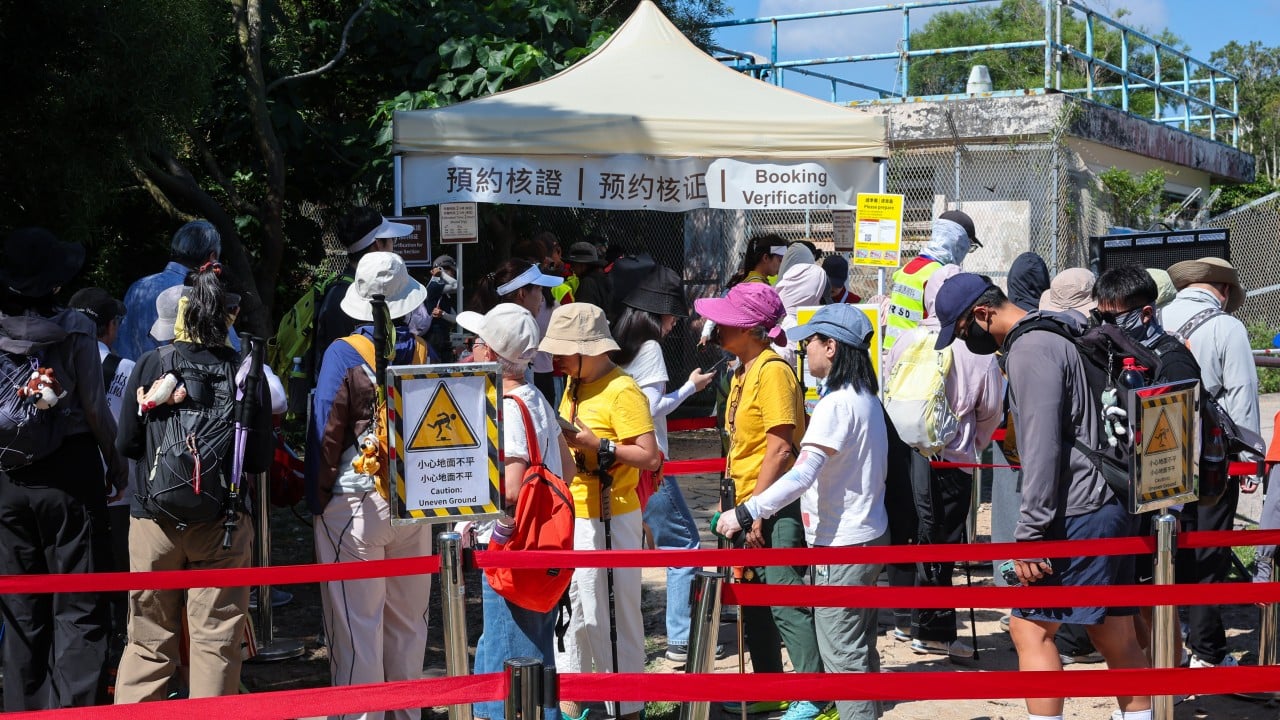
Let us look at the wreckage from the recent holiday trials. During peak periods, more than half of all reserved visitor slots sat empty because people booked them on a whim, overslept, or simply changed their minds. Meanwhile, genuine visitors stood at the trailhead turned away by a rigid digital gatekeeper.
The lazy crowd wants live updates. But real-time inventory management only speeds up the rate at which scalpers, bots, and chronic flakes scoop up empty spaces. If you make it easier to grab a free ticket on the fly, you feed the exact behavior causing the gridlock.
I have seen companies blow millions on software infrastructure trying to solve human behavior problems with UI tweaks. It never works. When admission is free, the cost is just shifted to friction, waiting lists, and administrative overhead.
[Zero-Cost Quota] ──> [Zero Accountability] ──> [High No-Show Rates] ──> [Administrative Gridlock]
The Brutal Truth About Quotas Without Teeth
To understand why the current system stumbles, we have to look past the user interface and look at human incentives.
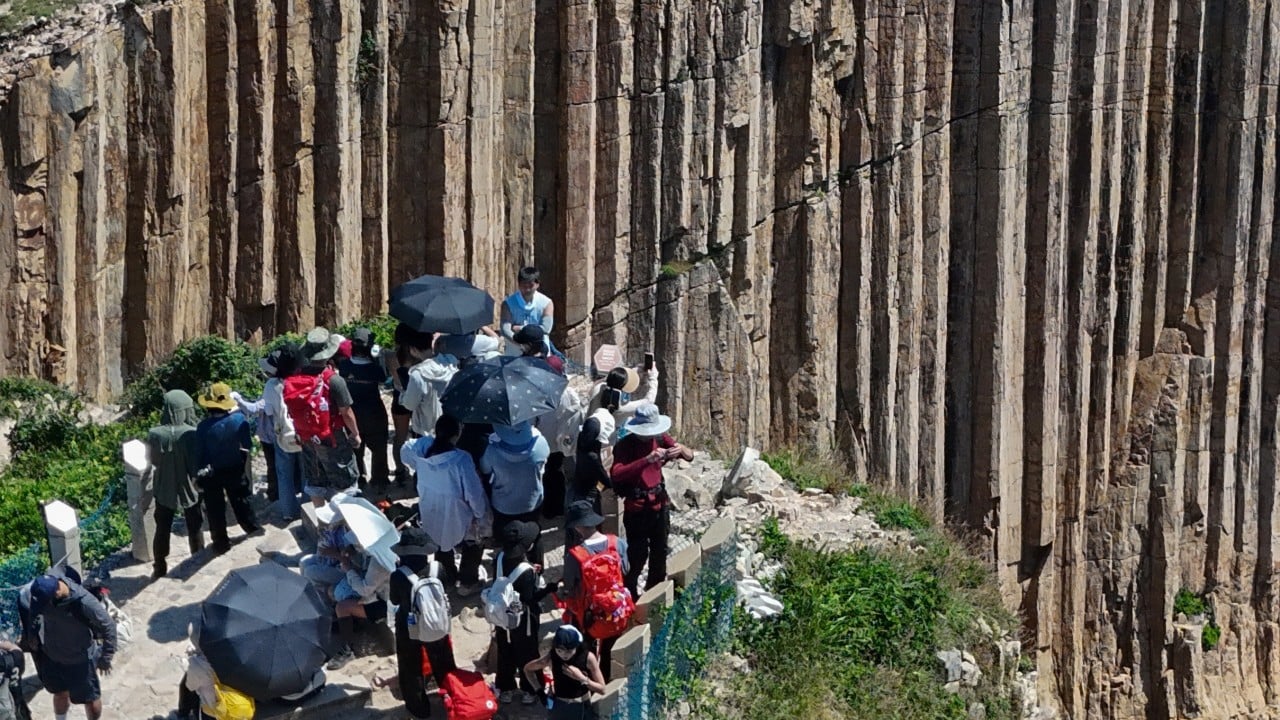
The AFCD implemented this trial because social media turned Po Pin Chau's hexagonal rock columns into an over-touristed bottleneck. Capping foot traffic at 500 people per two-hour window is a necessary conservation move. Hong Kong’s country parks are finite; the appetite of millions of regional tourists and local hikers is infinite.
However, a reservation system without skin in the game is an invitation to systemic abuse. When the system relies purely on a free-of-charge, first-come-first-served mechanism via third-party booking platforms, it becomes a zero-consequence exercise. You can hoard two slots every fourteen days, throw away the QR code, and face zero penalty.
The AFCD has flirted with the idea of reservation deposits, and this is precisely where the solution lies.
What Actually Works
If we want to fix Po Pin Chau, we need to stop coddling hikers who treat outdoor recreation like a restaurant reservation they can ditch without notice.
- Implement a Non-Zero Financial Friction: Charge a nominal, fully refundable deposit upon arrival. If you show up for your slot, you get your money back. If you no-show, the government keeps it to fund trail maintenance. Watch how fast no-show rates drop from fifty percent to near zero.
- Strict Enforcement of Real-Name Data: Tie the booking directly to verified identification documents, and enforce spot-checks at the trailhead. Make secondary transfers impossible.
- Abandon the Live-Update Illusion: Live updates create a culture of obsessive screen-refreshing. Instead, establish a hard lock-out window 24 hours prior, followed by a single redistribution sweep.
Nature does not negotiate with your schedule, and managing access to fragile geological formations should not either. Stop asking for live updates. Start asking for accountability.