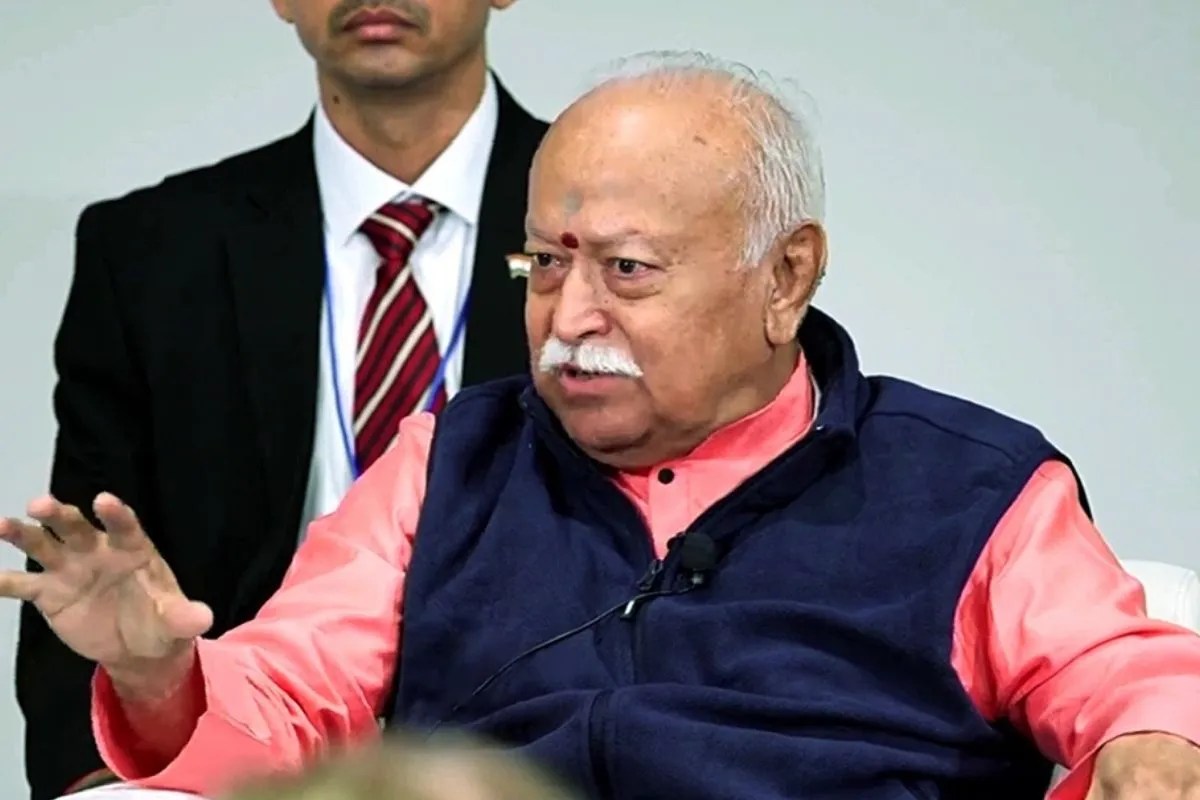
We love our comforting clichés. Whenever public figures step onto international stages like Madison Square Garden and unpack the tired phrase that unity in diversity is hardwired into the national genome, crowds applaud, headlines flash, and everyone nods along to a soothing lullaby.
It is a lazy consensus. It paints a picture of a pristine, ancient mosaic where everyone lived in permanent, harmonious alignment, singing songs under banyan trees.
The truth is much more violent, much more interesting, and entirely antithetical to the postcard version of history.
The Myth of Organic Harmony
Let us drop the romanticism. Societies do not stick together because of some mystical biological code or an inherent spiritual compass. They stick together through constant friction, institutional guardrails, and the management of raw, unfiltered conflict.
When leaders frame pluralism or diversity as a sweet decoration resting peacefully on top of a monolithic oneness, they sanitize the brutal historical reality. The subcontinent was never a peaceful commune of shared ideals. It was a shifting theater of empires, linguistic wars, caste dominance, sectarian bloodletting, and forced assimilations.
To claim this is baked into our DNA is to confuse cultural survival with voluntary affection. Communities stayed proximate to one another because geography and economics forced them into tight spaces, not because they possessed a unique monopoly on cosmic empathy.
Friction as the Real Engine of Progress
Imagine a scenario where every sub-culture, linguistic group, and religious faction in the region suddenly decided to live in total, uncritical harmony. Total stagnation would follow within a generation.
Civilizational depth does not come from passive coexistence. It comes from the relentless push and pull of competing worldviews. The friction between orthodox traditions and radical social reformers, between centralizing power and regional autonomy, is what actually drives political evolution.
When you attribute this dynamic to a magical "DNA," you strip away human agency. You imply that peace is an automatic background setting rather than a fragile, high-maintenance achievement that requires active political negotiation every single day.
Critics back home love to point out the glaring gap between overseas rhetoric and domestic reality. They are right, but their critique often misses the deeper error. The problem is not merely hypocrisy. The problem is the premise itself.
Stop Manufacturing Innocence
The obsession with proving that our ancient philosophy solved pluralism centuries before the West invented the term is a symptom of deep-seated insecurity. Modern nation-states do not need ancient validation certificates to manage multicultural populations. They need functional legal systems, protection of minority rights, and an absolute intolerance for mob violence.
Preaching universal oneness to a diaspora thousands of miles away while local polarization hardens at home exposes the bankruptcy of the DNA argument. Genes do not prevent riots. Constitutions, courts, and civic courage do.
We need to stop looking for our national character in ancient rishis and cosmic destinies. Accept the chaos. Acknowledge that our coexistence is loud, messy, and frequently volatile.
Stop searching for genetic purity in a land built entirely on cross-border migration, invasion, and cultural collision.
Embrace the friction, drop the mythology, and fix the plumbing.