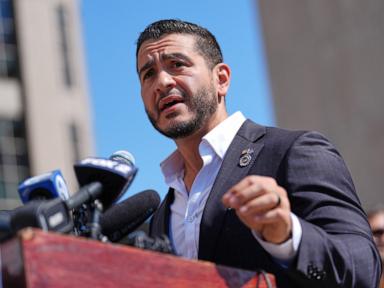
Every conventional political analyst in Washington is currently hyperventilating over the exact same tired narrative. They look at Abdul El-Sayed scraping past Haley Stevens in Michigan's Senate primary and immediately sound the alarm bells about a fractured party. The lazy consensus claims that because the margin was tight, the progressive insurgent is doomed to alienate the moderate wing, hand the seat to Mike Rogers, and shatter the mythical, homogenous coalition that party bosses love to dream up in air-conditioned backrooms.
It is a completely bankrupt analysis.
I have watched consultants burn millions of dollars on this exact brand of conventional wisdom, trying to force square peg candidates into round hole electorates. They treat political parties like corporate mergers where every single shareholder needs to sign off on the CEO. That is not how modern voter mobilization works. El-Sayed did not win by playing nice with the establishment or waiting for party elites to hand him a permission slip. He won by out-organizing a historic $70 million spending blitz that proved structural turnout machines beat institutional hand-wringing every single day of the week.
The panic over the "coalition test" rests on a fundamental misunderstanding of what actually drives general election turnout in a purple industrial state.
The Fallacy of the Moderate Middle
Let us address the core misconception head-on. The mainstream media keeps pushing the idea that general elections are won exclusively by capturing a mythical block of cautious suburban centrists who recoil at anyone daring to mention universal healthcare or corporate corruption.
Data from the primary tells a much sharper story. El-Sayed dominated high-turnout youth precincts and urban centers while carving out vital margins in industrial counties. He was outspent nearly eleven to one. Super PACs funded by corporate donors and outside lobbying groups threw cash at the race like confetti, trying to bury his ground game under an avalanche of television ads. If money equals coalition-building, Stevens should have cruised. Instead, an army of volunteers knocked over 200,000 doors.
When analysts whine about a "coalition test," what they actually mean is that party insiders are mad they lost control of the steering wheel. They want a candidate who takes polite donations from corporate political action committees and refuses to rock the boat. But Michigan working families are not looking for a polished corporate manager who speaks in focus-grouped platitudes. They are looking for someone who acknowledges that the economic system is rigged.
Why the Establishment Playbook is Dead
Imagine a scenario where a campaign listens to traditional consultants, waters down its platform to appease mega-donors, and runs a sanitized campaign designed to offend absolutely no one. That candidate loses enthusiasm, depresses base turnout, and flatlines.
We have seen this movie before. It is a recipe for electoral suicide.
El-Sayed’s platform was built on three uncompromising pillars: getting money out of politics, putting cash back in working pockets, and Medicare for All. Critics call that too risky for a swing state. History calls it a turnout strategy. When you give people a genuine choice instead of a watered-down echo, they show up. The Sanders wing of the party, paired with actual public health credibility, forged a bond with voters who usually stay home because they think both parties are owned by the highest bidder.
The panic-mongers point to the narrow margin as proof of deep division. But primaries are supposed to be sharp. They are stress tests. El-Sayed survived an onslaught that would have vaporized a weaker candidate, and the resulting ground infrastructure is already built, tested, and running hot.
Stop treating voters like fragile infants who will throw a tantrum and stay home if their preferred primary candidate does not win. General election voters care about authenticity, economic survival, and a pulse. Mike Rogers represents the exact corporate status quo that broke the supply chain and shipped industrial jobs overseas. El-Sayed offers a direct counter-punch.
The coalition test is a ghost story told by consultants who are terrified of losing their jobs. El-Sayed already passed the only test that matters. He proved that an insurgent movement can out-hustle a mountain of dark money.
Let the establishment sweat. They built a broken system, and it is time to watch it burn.