Crude oil prices fell sharply and European stock markets rallied after Donald Trump cancelled planned military strikes against Iran, choosing instead to pivot toward sudden diplomatic negotiations. Brent crude dropped more than five percent to trade near eighty-three dollars a barrel, while West Texas Intermediate slipped below eighty dollars. Wall Street futures and European equities surged in tandem as traders celebrated a temporary reprieve from a conflict that had driven energy benchmarks up by more than twenty percent over the previous month.
Markets love a headline that removes an immediate tail risk. Traders priced in the cessation of hostilities as if the underlying plumbing of global energy security had suddenly healed. That reaction reflects a profound misunderstanding of how modern maritime chokepoints operate. A presidential cancellation of air strikes does not equal the reopening of a mined, militarized shipping lane.
The Anatomy of a Fragile Relief Rally
Financial instruments react instantly to perceived changes in geopolitical violence. Physical commodities require physical clearance, insurance sign-offs, and risk assessments that take weeks to adjust.
When the White House announced that regional actors had requested time for a comprehensive deal covering the Strait of Hormuz, asset managers rushed to unwind inflationary hedges. Long-end bond yields retreated from multi-year highs, and risk-on sentiment bled into European stock indices. The Stoxx 600 ticked upward, driven by sectors bruised by weeks of elevated input costs.
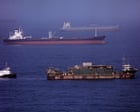
Yet the underlying reality inside the Persian Gulf remains unchanged. Tankers are not suddenly sailing unmolested through the narrow waters between Oman and Iran. Port congestion in the region is immense, marine insurers maintain exorbitant war-risk premiums, and naval assets from multiple nations remain locked in a tense standoff.
[Headline: Trump Cancels Strikes]
       │
       ▼
[Market Reaction: Immediate Sell-Off in Oil / Stock Rally]
       │
       ▼
[Physical Reality: Strait Remains Closed / Insurance Premiums High]
       │
       ▼
[The Inevitable Correction: Supply Bottlenecks Persist]
Financial markets trade the derivative of the news rather than the integration of the facts. This disconnect creates dangerous vulnerabilities for equity investors who assume that a diplomatic photo-op translates into a structural decline in global energy costs.
Navigating the Labyrinth of Regional Chokepoints
The assumption that peace talks automatically restore pre-war supply chains ignores the diversification of risk that energy majors have already undertaken. Shippers have spent months rerouting crude through alternative overland pipelines and Red Sea terminals, yet those secondary routes face their own mounting security challenges.
For instance, consider a hypothetical supertanker operator managing a fleet out of the Persian Gulf. Even with explicit guarantees that air strikes are on hold, the vessel owner faces prohibitive liability costs. Marine insurers do not drop war-risk surcharges simply because a social media post indicates talks are scheduled for Monday. Until crews can transit the waterway without fear of detention, remote activation of mines, or regional proxy attacks, the effective capacity of the Strait of Hormuz remains near zero.
Furthermore, domestic political pressures inside Washington compound this volatility. With midterm congressional elections looming, the administration faces intense pressure to bring retail gasoline prices down from their wartime peaks. High fuel costs continue to feed broader consumer price inflation, complicating monetary policy calculations for central bankers trying to balance growth against stubborn price pressures.
The Trap of Headline-Driven Commodities
Veteran analysts have seen this script before. A sudden de-escalation announcement triggers a sharp algorithmic sell-off in crude futures, trapping speculative shorts and longs alike in violent intraday swings.
The structural deficit in global petroleum inventories has not vanished. Opec spare capacity remains severely constrained by ongoing disruptions in other major exporting regions, meaning any sudden collapse of these nascent diplomatic channels will send prices rebounding past previous highs with brutal speed. When trust is exceptionally low between Washington and Tehran, negotiating tracks can evaporate within a single afternoon.
Equity investors treating the recent market bounce as an all-clear signal are ignoring the fragility of the diplomatic architecture holding it together. The real test is not whether strikes are called off for a weekend, but whether maritime commerce can safely resume under an enforceable, long-term framework. Until physical barrels begin moving smoothly through the gulf without the accompaniment of warships, every downward tick in oil prices remains a fragile illusion waiting to be shattered by the next broken promise