The world’s most dangerous chokepoint just snapped shut. Again.
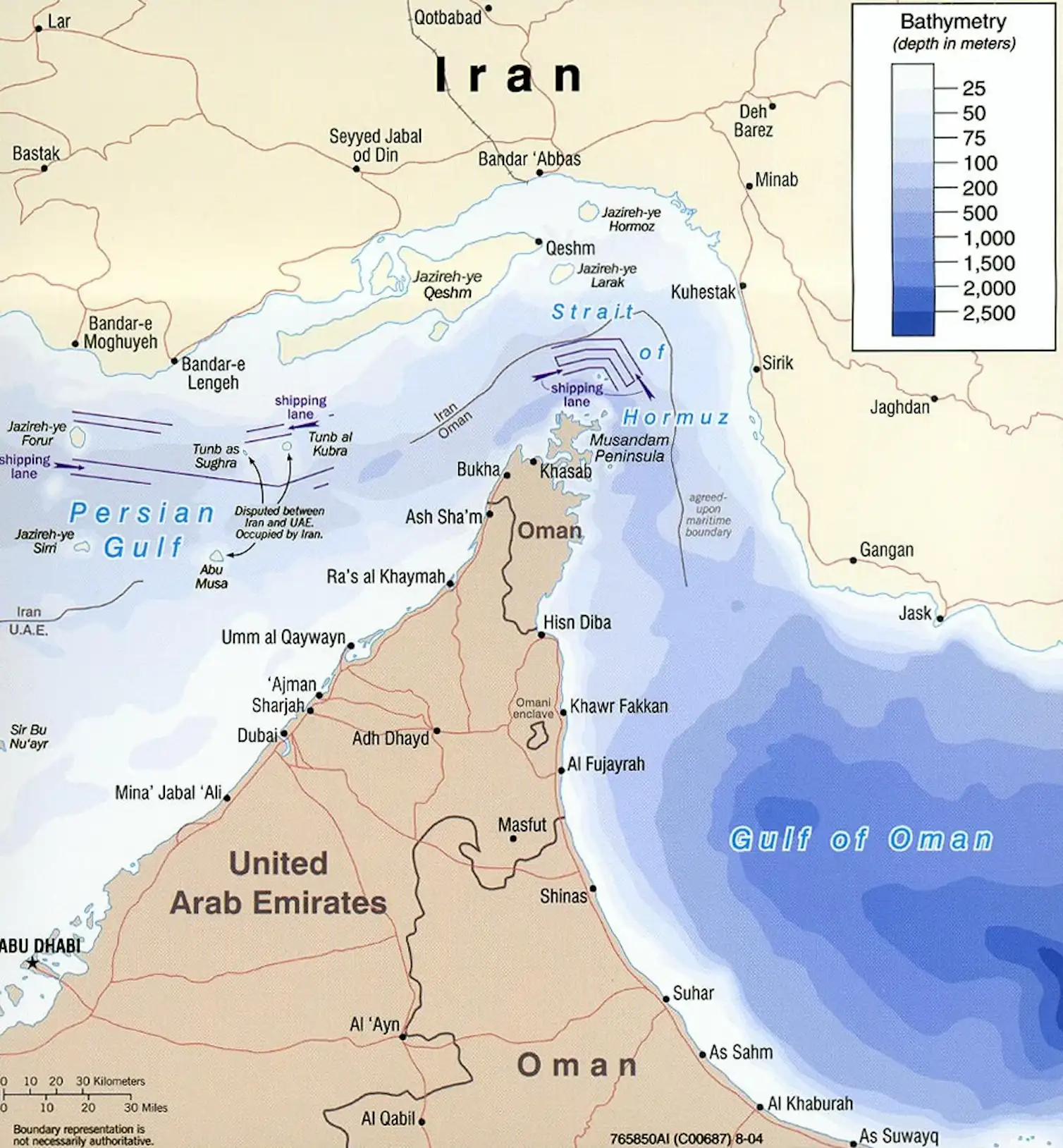
If you’ve been watching the news, you know the drill. Iran threatens the Strait of Hormuz, oil prices spike, and everyone panics for a week before things settle down. But what’s happening right now in April 2026 isn't the usual chest-thumping. This is a full-blown tactical shutdown. Iran didn’t just issue a press release; they’ve actually started firing on ships, and for the first time in decades, they’re holding the line against a direct U.S. naval blockade. Also making headlines in related news: The Strait of Hormuz Chokepoint and Indias High Stakes Maritime Gamble.
Here’s the reality: the "fragile ceasefire" we were promised last week is dead. Iran’s Revolutionary Guard (IRGC) has officially reversed the reopening of the waterway. They aren't just blocking American ships—they're targeting anything that moves.
The Blockade That Broke the Deal
Last Friday, there was a glimmer of hope. Following the U.S.-brokered ceasefire between Israel and Lebanon, Iran’s foreign ministry suggested they’d let commercial traffic through. It looked like the global energy crisis might finally catch a break. That lasted about twenty-four hours. Further details regarding the matter are detailed by NBC News.
The problem? President Trump made it clear that while the Strait might be "open," the U.S. naval blockade of Iranian ports isn't going anywhere. For Tehran, an open Strait with a closed coastline is a losing deal. They’ve responded by turning the entire 21-mile-wide passage into a no-go zone.
It’s a simple, brutal logic: if Iran can't export its oil, nobody else in the Gulf gets to either. This isn't about posturing anymore. It’s about economic survival.
What’s Actually Happening on the Water
Reports from the UK Maritime Trade Operations (UKMTO) aren't pretty. We aren't talking about "harassment" or "shadowing" anymore.
- Gunboat attacks: IRGC fast-attack craft have opened fire on multiple tankers.
- Indian ships targeted: Two Indian-flagged vessels were forced to turn back under fire near Qeshm Island.
- Physical damage: At least one container ship was hit by an unknown projectile, causing significant cargo loss.
The IRGC issued a blunt warning on Saturday night: "No vessel should make any movement... approaching the Strait of Hormuz will be considered cooperation with the enemy." Basically, if you sail, you’re a target.
Why You Should Care About $150 Oil
You might think a shipping spat in the Middle East doesn't affect your morning commute, but the numbers tell a different story. About one-fifth of the world’s oil and liquefied natural gas (LNG) moves through this tiny strip of water.
Physical crude prices have already touched $150 per barrel. We’re seeing a massive disconnect between the "paper" prices on Wall Street and what refineries are actually paying for a barrel of oil. In Singapore, refined product prices have hit all-time highs. If this closure lasts more than a few days, you're going to see it at the pump, in your electricity bill, and in the price of literally everything delivered by a truck.
The International Energy Agency (IEA) is already projecting a global supply loss of over 13 million barrels per day. That’s not a "dip." That’s a crater.
The Strategy Behind the Chaos
Iran is playing its only high-value card. They know the U.S. military is "substantially degraded" after two months of high-intensity conflict, but they also know Trump is under immense domestic pressure to keep gas prices down.
By firing on ships—including those from "neutral" countries like India—Iran is trying to force the international community to break the U.S. blockade. They want the world to tell Washington, "Let Iran sell its oil so we can have ours."
It’s a high-stakes game of chicken. The U.S. has instructed the Navy to "interdict every vessel" that has paid a toll to Iran, which Tehran started charging earlier this month to the tune of $1 million per ship. It’s essentially a pirate tax, and the U.S. isn't paying.
The Misconception of "Freedom of Navigation"
People often think international law protects these shipping lanes. It doesn't—at least not when the shooting starts. While the UN Convention on the Law of the Sea (UNCLOS) says transit should be free, Iran has effectively ripped up the rulebook. They’re treating the Strait as their sovereign territory, and right now, they have the shore-based missiles to back it up.
What Happens Next
Don't expect a diplomatic breakthrough by Wednesday. The "Islamabad Talks" have stalled, and both sides are digging in. If you're looking for a silver lining, there isn't one today.
- Watch the Insurance Markets: If maritime insurers (like Lloyd's of London) stop covering ships in the Persian Gulf, the Strait is effectively closed even if the IRGC stops firing. No insurance means no sailing.
- Monitor the "Shadow Fleet": Iran still tries to move oil through covert means. If the U.S. starts sinking these "ghost" tankers, expect the IRGC to retaliate by mining the deeper channels.
- Prepare for Rationing: Several Asian countries are already discussing fuel demand reduction policies. If you're in a country heavily dependent on Gulf oil, expect government intervention soon.
The situation is volatile, and the "No More Mr. Nice Guy" rhetoric coming from the White House suggests the U.S. is preparing for a kinetic solution to reopen the lanes. Whether that leads to a wider war or a tactical retreat is anyone’s guess.
For now, the world’s most important waterway is a shooting gallery.