Commercial shipping routes are turning into active combat zones. If you work at sea, the risk just skyrocketed.
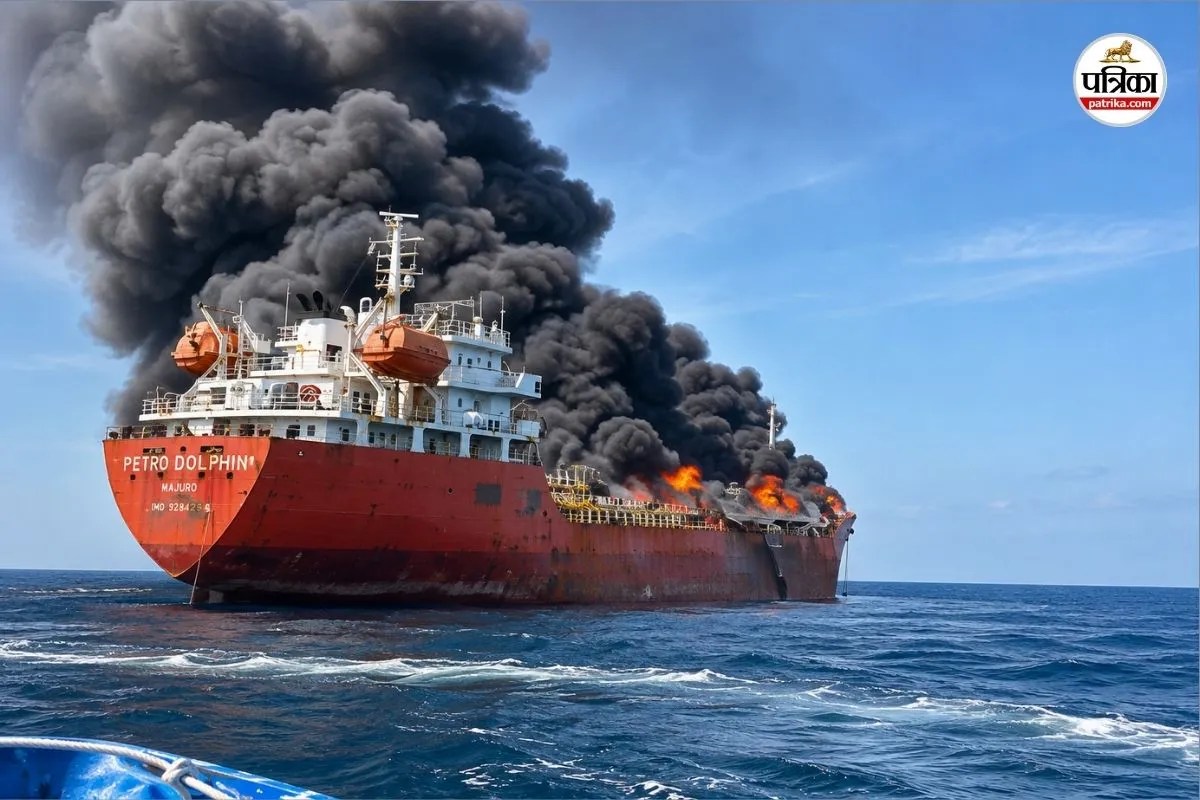
The recent missile and drone strikes on commercial vessels near the Strait of Hormuz aren't just isolated incidents. They represent a growing, violent threat to global maritime trade and the thousands of Indian nationals manning these ships. When a Panama-flagged LPG tanker like MT Tara Gas gets targeted, it hits close to home. Twenty-four Indian crew members were onboard when the vessel took direct hits, leaving injuries, evacuations, and a missing sailor in its wake. Also making news in related news: Why the Strait of Hormuz Crisis Is Everyone's Problem Now.
India's Ministry of External Affairs did not mince words. They condemned the strikes outright, while local embassies scrambled to coordinate search-and-rescue operations with Omani authorities. But official condemnations don't fix a broken security architecture in the Persian Gulf.
The High Cost of Maritime Conflict
India supplies a massive share of the world's commercial seafarers. Over 300,000 Indian nationals work across global fleets, meaning whenever tensions flare in West Asia, Indian lives are directly on the line. More details into this topic are explored by The Washington Post.
The math is brutal. Recent escalations have seen multiple merchant vessels damaged or destroyed. Shipping ministers and maritime agencies are tracking these updates hourly, but for families back home, real-time tracking offers little comfort. When ships carrying liquefied petroleum gas or crude oil become targets for stray projectiles, safety protocols get pushed to their absolute limits.
Consider what actually happens during these attacks:
- Communication arrays fail under sudden impacts.
- Crew members must abandon ship into hostile waters.
- Evacuation logistics rely heavily on neighboring states like Oman stepping in with rapid assistance.
Why Hormuz Matters More Than Ever
You can't talk about global energy supply without talking about this narrow waterway. A massive portion of the world's petroleum passes right through these choke points. When regional actors start treating commercial tonnage as acceptable collateral damage, the entire global economy holds its breath.
Insurance premiums for vessels transiting the region are spiking. Crew retention is dropping. Nobody wants to sign a contract that turns a routine transit into a gamble with their life.
India has consistently urged an immediate halt to attacks on civilian infrastructure and merchant shipping. Freedom of navigation isn't just a political talking point. It is a fundamental requirement for keeping basic supply chains functional. Until regional diplomatic channels yield real security guarantees, every cargo ship entering the Persian Gulf remains vulnerable.
Watch how shipping companies adapt their routes in the coming weeks. The pressure is on governments to provide real deterrence, because diplomacy alone isn't stopping the next missile.