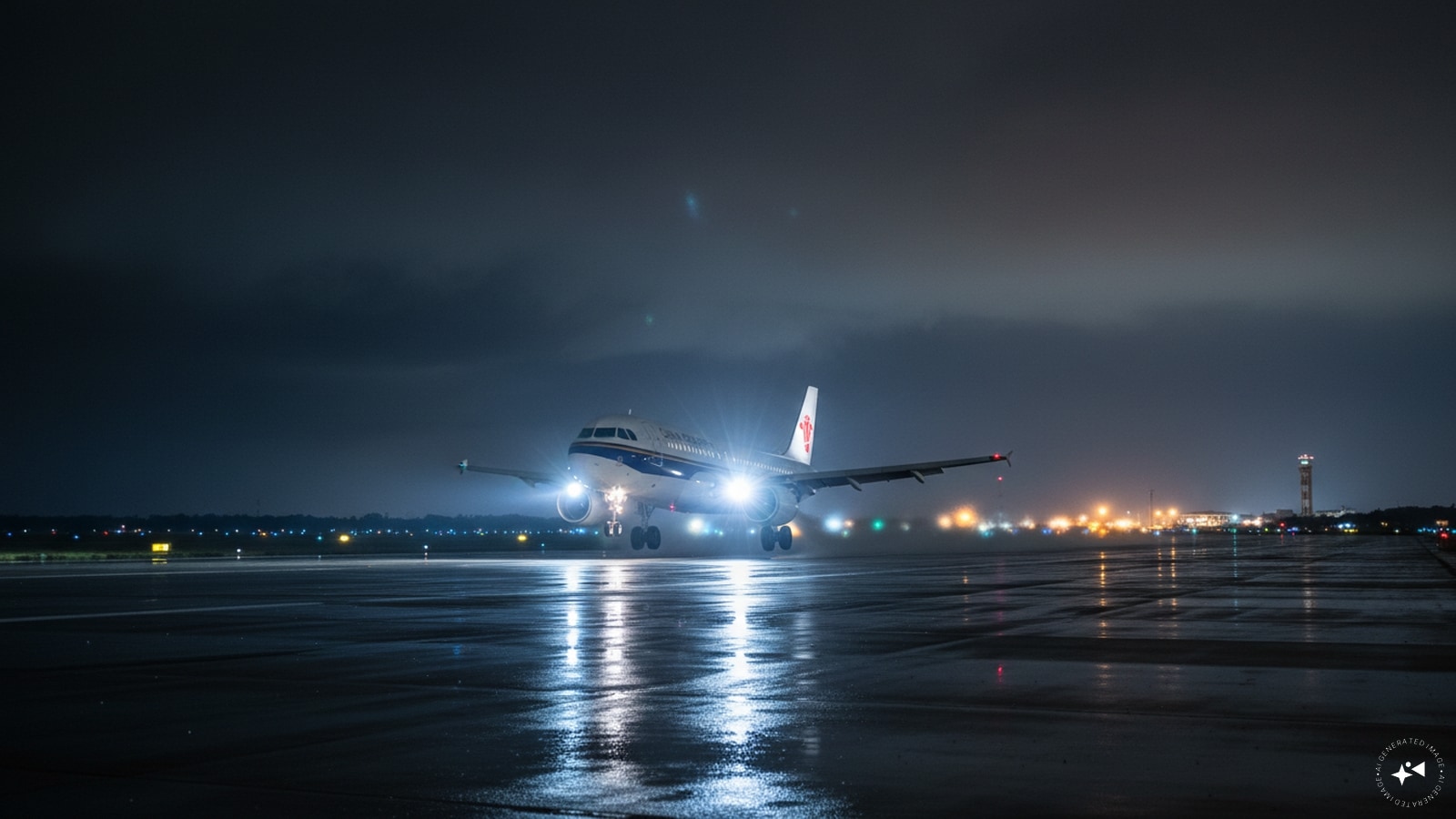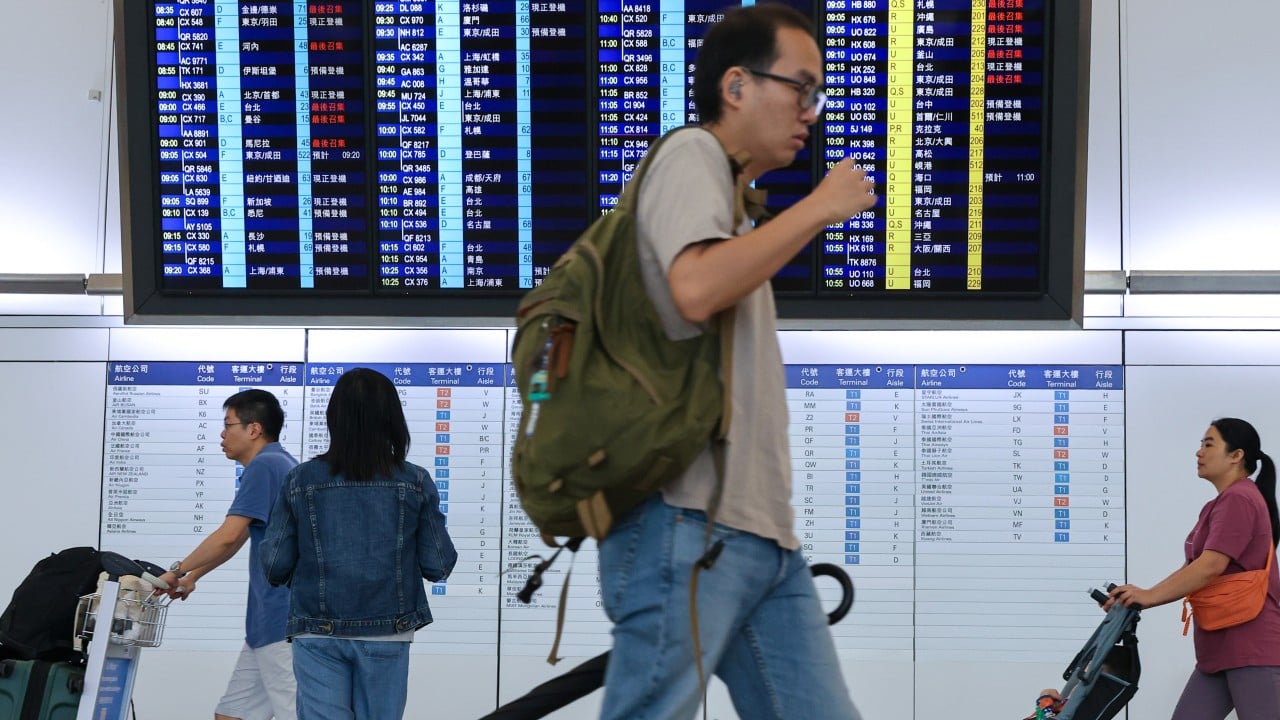
Hundreds of exhausted air passengers remain stranded inside the sprawling terminals of Hong Kong International Airport following the disruptive arrival of Typhoon Noul, turning a major aviation hub into a temporary evacuation shelter. Thousands of flights face prolonged cancellations and delays, exposing deep vulnerabilities in how massive transport hubs manage sudden meteorological crises. This recurring chaos highlights a systemic inability to protect travelers when severe weather strikes.
The Anatomy of Airport Gridlock
When a typhoon of this magnitude bears down on the Pearl River Delta, airline schedules do not simply pause; they shatter. Modern commercial aviation operates on razor-thin turnaround times. Aircraft and flight crews are locked into relentless, minute-by-minute rotations designed to maximize profit.
When a weather event forces a shutdown at an airport as critical as Hong Kong, the disruption cascades globally. A single grounded Boeing 777 creates a domino effect affecting connecting flights in Tokyo, London, and Los Angeles within hours.
Airlines frequently hide behind force majeure clauses to avoid financial liability for stranded customers. Passengers discover that legal protections vary wildly depending on where they purchased their tickets. Hong Kong International Airport possesses world-class infrastructure on paper, yet its contingency plans buckle under the pressure of prolonged terminal occupancy.
Where the Safety Nets Fail
Thousands of travelers sleeping on terminal floor tiles reveal an uncomfortable truth. Mega-airports are exceptionally good at processing moving crowds, but they are structurally hostile to immobile populations.
- Concession stands close or run out of food within the first six hours of an emergency lockdown.
- Drinking water fountains become scarce or overwhelmed by demand.
- Wi-Fi networks buckle under the sudden surge of thousands of desperate people trying to contact loved ones or rebook flights.
- Airport staff vanish behind security glass because terminal operators lack trained crisis-response teams dedicated to passenger welfare.
This vacuum of responsibility leaves travelers stranded in a legal and logistical no-man's-land. The airport authority points fingers at the airlines. The airlines point fingers at air traffic control. Meanwhile, the passenger absorbs the physical and financial toll of the disruption.
The Cost of Just-In-Time Scheduling
To understand why passengers suffer so acutely during a storm like Typhoon Noul, one must look at the economics of modern aviation. Efficiency has replaced redundancy. Airlines no longer keep spare aircraft or unassigned flight crews sitting idle to absorb shocks. Every asset must generate revenue constantly.
When a storm hits, this ultra-lean model leaves zero margin for error. Rebooking a single canceled flight can take days because there are simply no empty seats available on subsequent departures. The entire network is running at 100 percent capacity on a normal Tuesday. When a typhoon arrives, operating at 120 percent capacity becomes an impossibility.
Passengers are told to use mobile applications to rebook. Yet when tens of thousands of people hit the same digital servers simultaneously, applications crash. Customers find themselves trapped in endless telephone queues with automated customer service bots that offer no meaningful help. The human element of crisis management has been outsourced to algorithms that fail precisely when they are needed most.
Fixing the Broken Hub Model
Protecting travelers requires moving away from pure efficiency toward resilient infrastructure. Regulatory bodies must enforce mandatory passenger welfare standards that take effect the moment a weather emergency is declared.
Airlines should be legally required to provide immediate hotel accommodations, meal vouchers, and guaranteed alternative transport within a fixed timeframe, regardless of whether the disruption was caused by an act of nature. If carriers face steep financial penalties for stranding passengers inside terminals indefinitely, they will invest heavily in robust rebooking networks and rapid-response protocols.
Hong Kong International Airport and global aviation authorities must treat severe weather events not as unexpected anomalies, but as predictable operational hazards. Until the industry builds genuine redundancy into its schedules and places human welfare above profit margins, every major storm will continue to produce the same scenes of institutional failure, exhausted travelers, and endless lines on terminal floors.