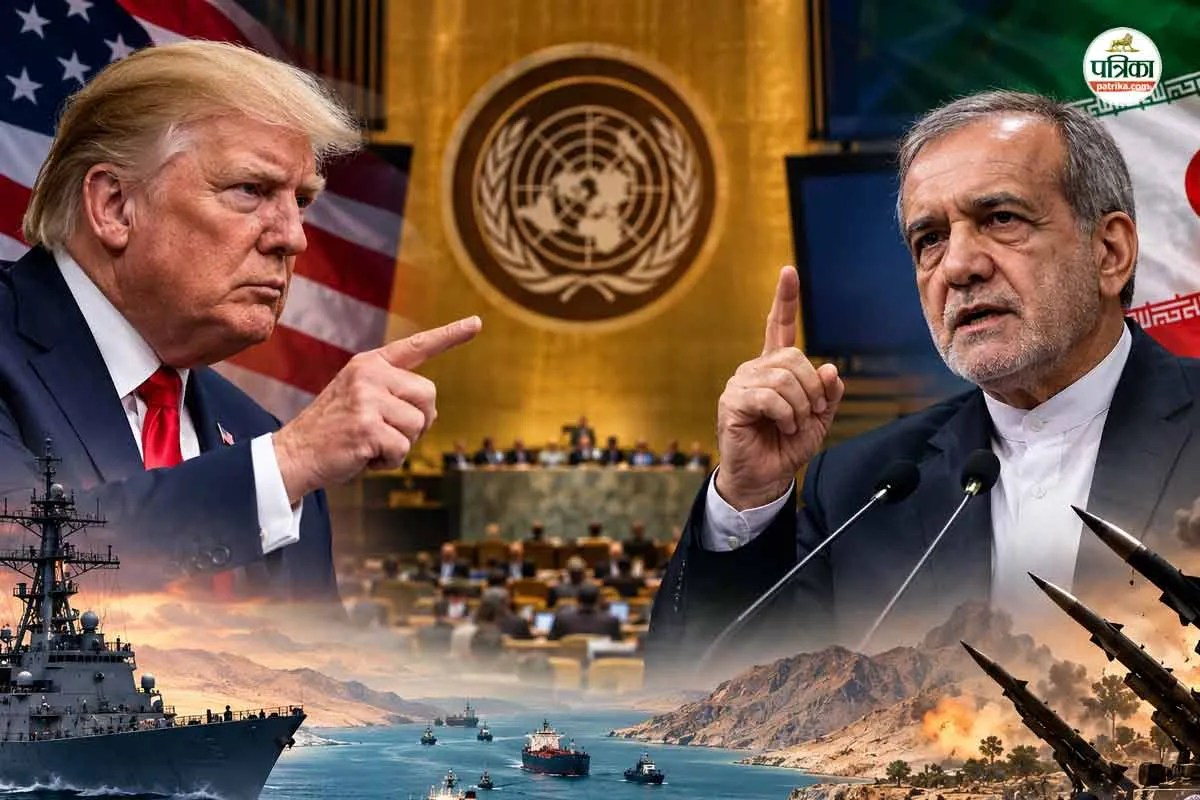
Geopolitical signaling during bilateral standoffs operates through strictly bounded channels. When Tehran communicates its refusal to capitulate under economic and diplomatic pressure while simultaneously keeping diplomatic channels operational, it is executing a dual-track strategy rooted in state survival and domestic risk management. Deconstructing this posture requires examining the underlying cost functions, the structural limitations of maximum pressure campaigns, and the mechanics of negotiated deterrence.
The Cost Function of Sanctions and Deterrence
Economic coercion models typically assume that applying maximum pressure will force a targeted regime to alter its core strategic behavior. However, this model fails when the target state calculates that the cost of capitulation exceeds the cost of resistance. For Iran, yielding to external mandates under direct duress carries catastrophic domestic political costs.
A state apparatus evaluates its security through two distinct lenses: external vulnerability and internal regime stability. When external pressure increases, the regime compensates by tightening internal control and shifting economic burdens onto the civilian population through localized adaptation strategies.
- The Sunk Cost of Resistance: Decades of economic isolation have forced the institutional apparatus to build structural workarounds, including parallel financial networks, state-directed trading cartels, and regional proxy dependencies. Dismantling these structures under foreign demand equates to unilateral disarmament.
- The Domestic Legitimacy Trap: Conceding to external ultimatums signals weakness to domestic hardliners and regional rivals. Regimes operating under revolutionary legitimacy cannot afford perceptions of surrender without risking internal fragmentation.
- The Asymmetric Deterrence Vector: Lacking conventional military parity with superpower adversaries, Tehran relies on asymmetric deterrence, including missile proliferation, naval choke-point disruption capabilities, and regional alliances. These assets represent the only tangible leverage available at the negotiating table.
The Mechanics of Conditional Diplomacy
Maintaining an open diplomatic track while rejecting coercive ultimatums is not a contradiction; it is a tactical necessity. Diplomacy without preconditions is often framed as a sign of weakness by Western actors, but from an analytical perspective, it serves as an intelligence-gathering mechanism and a pressure-release valve.
Information Gathering and Escalation Control
Direct or indirect talks allow both parties to map red lines with precision. In high-stakes standoffs, miscalculation is the primary driver of unintended escalation. By keeping communication channels functional, leadership groups can test the boundaries of adversary resolve without committing to irreversible concessions.
Managing Regional Proxies as Bargaining Chips
The regional network of aligned actors functions as an elastic band. When pressure mounts economically, activity along regional flashpoints often scales proportionally. This communicates to external powers that a localized economic squeeze generates system-wide instability, raising the cost of hostility for international shipping, energy markets, and regional stability.
Shifting the Blame for Stalemate
By publicly stating that the path for dialogue remains open while rejecting dictates, the state positions itself as reasonable to neutral global observers, particularly in the Global South. This shifts the diplomatic burden of proof onto the opposing party, framing their demands as unreasonable rather than cooperative.
The Structural Limits of Coercive Diplomacy
The standard Western policy framework assumes that economic isolation automatically translates into political compliance. This overlooks the adaptive capacity of sanctioned economies.
- Bypassing Mechanisms: Trade relationships with major non-Western economies provide a floor below which the domestic economy cannot fall, preventing total collapse.
- The Rally-Around-the-Flag Effect: External pressure frequently consolidates elite cohesion. Factional infighting within the political establishment is temporarily suspended when facing an external existential threat, allowing leadership to consolidate authority.
- Militarized Economy: Sustained pressure accelerates the institutionalization of security-state economics, where military and paramilitary conglomerates expand their control over domestic commerce, insulating the ruling elite from popular discontent.
Strategic Outlook
The standoff between Tehran and Western actors remains deadlocked not because communication has failed, but because both sides are locked into incompatible optimization functions. One side seeks systemic behavioral modification through punitive leverage, while the other pursues sovereignty preservation through managed friction.
Sustainable de-escalation requires a fundamental restructuring of incentives where concessions are matched by verifiable economic integration rather than unilateral compliance demands. Until that structural shift occurs, the default equilibrium will remain a volatile cycle of calibrated escalation, managed deterrence, and protracted diplomatic maneuvering.