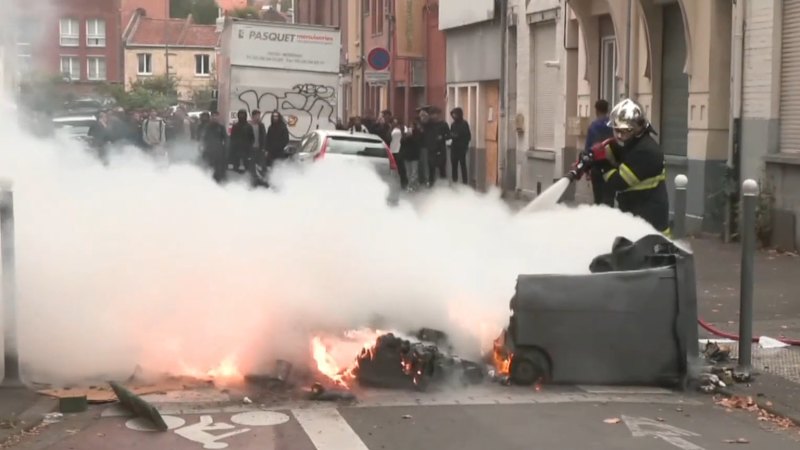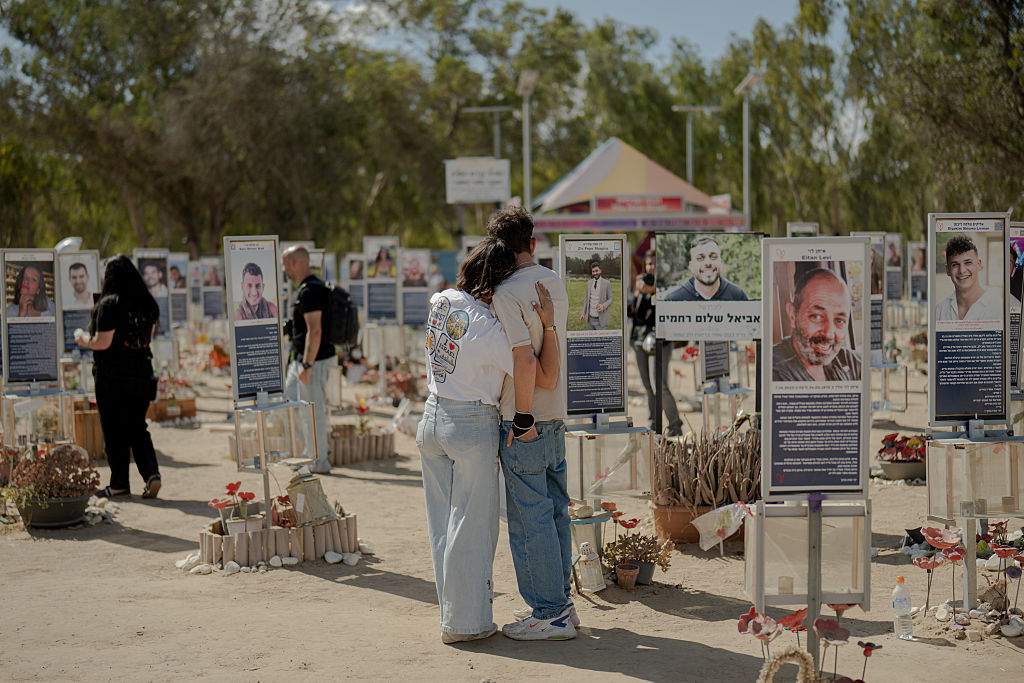
Geopolitical shocks do not merely alter current affairs; they reset structural baselines across distinct socioeconomic and security domains. The cross-border offensive led by Hamas on October 7, 2023, followed by the ensuing military campaign in the Gaza Strip, produced a profound bifurcation in how institutional trauma, operational recovery, and long-term viability are modeled. Evaluating the trajectory of this conflict requires moving past emotional narrative frameworks to examine the precise economic, demographic, and security mechanics governing both populations.
The Israeli Security Calculus and Domestic Economic Friction
For the Israeli state, the operational paradigm shifted overnight from conventional deterrence management to an open-ended multi-front security posture. The macro-level cost function involves three primary variables: fiscal expansion driven by defense expenditure, workforce disruption through reserve mobilization, and the psychological degradation of civil defense confidence. Read more on a similar issue: this related article.
The fiscal burden of sustained high-intensity operations forced significant shifts in national budgeting. Defense allocations expanded to absorb procurement costs, combat logistics, and the administrative upkeep of displaced populations from northern and southern frontier zones. Simultaneously, the call-up of hundreds of thousands of reservists introduced structural bottlenecks in high-technology, agriculture, and construction sectors. While economic resilience metrics demonstrate a capacity for macroeconomic rebound, productivity growth remains dampened by the permanent expansion of the baseline security budget.
Deterrence theory underwent an institutional reset. The foundational doctrine that regional actors could be managed through technological overmatch and minimal territorial friction proved mathematically flawed. Consequently, strategic doctrine migrated toward maximum force application and the systematic dismantlement of adversary infrastructure, accepting high diplomatic and economic costs to restore a credible threshold of deterrence. Further reporting by NPR delves into comparable views on the subject.
The Gazan Humanitarian Collapse and Infrastructure Destruction
In the Gaza Strip, the operational reality represents an extreme case study in total infrastructural erasure. The conflict transformed dense urban environments into acute resource-scarcity zones, characterized by the near-total collapse of municipal services, health networks, and housing supply chains.
The housing deficit serves as a primary metric of systemic collapse. Tens of thousands of residential structures sustained structural or total damage, rendering large swathes of urban space uninhabitable. The destruction of water treatment facilities, electrical grids, and sanitation infrastructure created chronic public health vulnerabilities. Compounding this physical degradation, the logistics of aid distribution operated under severe supply-chain constraints. The friction of border crossings, cargo inspections, and internal route congestion throttled the flow of caloric intake, medical supplies, and temporary shelter materials, maintaining a persistent humanitarian deficit even during localized ceasefires.
The economic architecture of the territory was effectively erased. Formal employment, agricultural output, and cross-border commerce collapsed, leaving the population entirely dependent on humanitarian aid distribution channels and localized informal coping mechanisms.
Asymmetric Information Warfare and Diplomatic Polarization
Beyond the physical theater, the conflict generated a permanent rupture in international information channels. The strategic utility of real-time digital documentation shifted the mechanics of global diplomacy:
- Visual Evidence as a Strategic Asset: Both sides utilized real-time digital media to capture international attention, framing the narrative around distinct moral imperatives—existential survival against terrorism versus systemic humanitarian catastrophe.
- Institutional Paralysis: Multilateral bodies faced severe structural limitations in enforcing binding resolutions or managing humanitarian corridors, exposing the limitations of post-Cold War security architecture.
- Diaspora Polarization: International fallout manifested as domestic sociopolitical friction across Western democracies, altering electoral calculations and institutional funding priorities.
Strategic Forecast and Systemic Vulnerabilities
The long-term trajectory of the region is defined by structural entrapment rather than resolution. For Israel, the ongoing requirement to maintain a high-readiness security posture across multiple borders ensures that defense expenditure will crowd out domestic investments indefinitely. The psychological scar of the initial security failure guarantees that public tolerance for localized threat proliferation remains near zero.
For the Palestinian population in Gaza, the recovery timeline is measured in decades. The absence of a functioning governance mechanism, combined with international donor fatigue and the sheer scale of debris clearance required, creates a permanent state of developmental stagnation. Physical reconstruction cannot outpace the structural limitations of border controls and capital access.
Stability across this corridor will not be achieved through diplomatic declarations, but through the hard management of security thresholds, supply-chain capacities, and demographic realities that neither side can unilaterally alter.