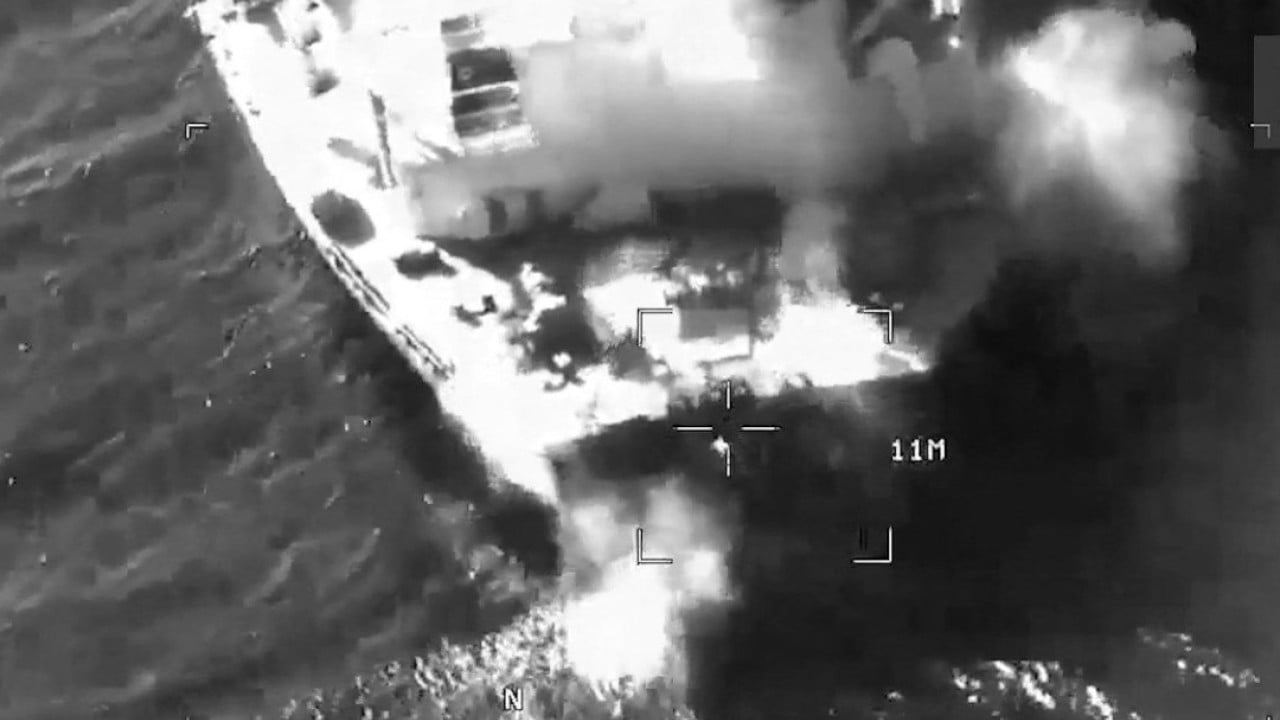
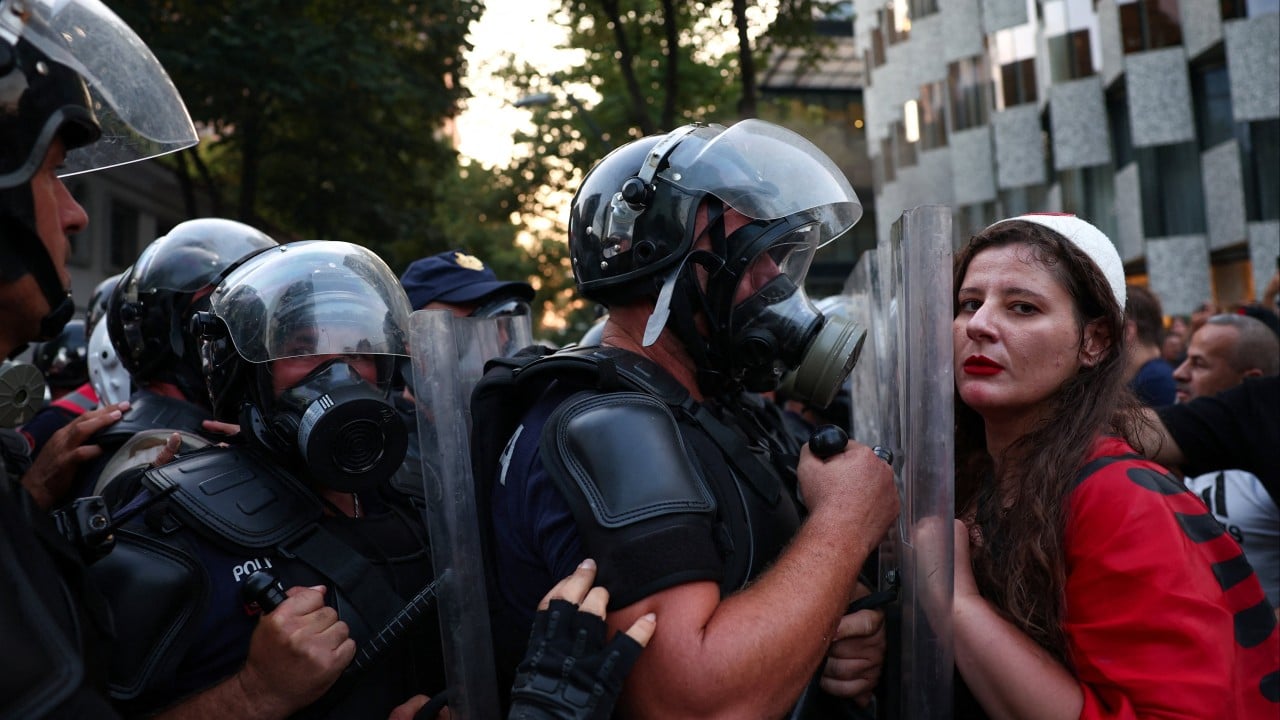
Resort security architecture often relies on perimeter illusions rather than threat mitigation frameworks. When violent incidents cluster within specific tourist zones, public discourse typically defaults to reactive expressions of shock or localized policing critiques. A rigorous structural analysis requires moving past sensationalized event reporting to examine the underlying risk vectors governing transnational leisure destinations. High-density tourism hubs function as complex socio-economic ecosystems where transnational illicit networks intersect with transient populations, creating predictable vulnerabilities that conventional hospitality security models fail to address.
The Tripartite Vulnerability Matrix of Transnational Leisure Hubs
Evaluating security breakdowns requires categorizing the systemic factors that convert commercial hospitality zones into operational environments for criminal actors.
- The Transience Coefficient: High turnover rates among visitors disrupt informal social control mechanisms. In stable residential communities, unfamiliar actors trigger cognitive recognition and localized scrutiny. In resort environments, the constant influx of anonymous individuals normalizes presence without identity verification, lowering the operational friction for hostile actors.
- The Asset Concentration Dynamic: Resorts aggregate high-value targets, liquid assets, and affluent transient populations within geographically compressed zones. This spatial concentration maximizes the potential return on investment for illicit enterprises ranging from targeted extortion to localized contraband distribution, overriding the deterrent effect of standard municipal policing.
- The Jurisdictional Friction Variable: Tourism enclaves often exist in a state of regulatory tension between municipal authorities, private resort conglomerates, and federal security apparatuses. This fragmentation creates operational seams where intelligence sharing fails, response times degrade, and accountability becomes diffuse during critical incidents.
The Economic Cost Function of Security Deficits
Security expenditure in the hospitality sector is frequently treated as a fixed overhead cost rather than a variable risk-mitigation investment. This miscalculation stems from a flawed cost-function analysis. When management views asset protection strictly through the lens of perimeter fencing and basic surveillance, they underfund intelligence gathering and personnel training.
The economic fallout of a high-profile violent incident demonstrates the limitations of this approach. While immediate losses manifest as room cancellations and localized revenue contraction, the systemic damage impacts insurance premiums, municipal tax yields, and long-term brand equity. Criminal syndicates operating within these zones calculate that the economic imperative of destination marketing will force local authorities and business owners to suppress or minimize security failures rather than implement structural reforms. This perverse incentive structure rewards reactive public relations management over proactive threat eradication.
Operational Failures in Hospitality Infrastructure
Traditional hotel and resort security architectures prioritize guest comfort and aesthetic openness over defensive design. Hardening a facility against violent intrusion conflicts with the psychological desire for an unobstructed, welcoming environment. Consequently, several critical architectural vulnerabilities persist across major holiday destinations.
- Permeable Access Control: Many resort properties feature multiple unmonitored access points designed to facilitate pedestrian flow from beaches or public roadways. These entry points bypass credential verification systems, allowing armed individuals to approach high-density guest areas without hindrance.
- Surveillance Silos: Private security feeds rarely integrate directly with municipal law enforcement command centers. This technical disconnect introduces latency into threat detection and delays coordinated tactical responses during active-shooter or targeted-assault scenarios.
- Intelligence Isolation: Hotel operators frequently operate on the assumption that regional crime remains external to their properties. By failing to ingest local threat intelligence regarding gang rivalries or transnational criminal movements, management forfeits the ability to implement dynamic threat-contingent posture adjustments.
Strategic Interventions for Threat Mitigation
Resolving recurring violence in tourist hotspots demands a transition from defensive optics to structural deterrence. The implementation of these measures requires coordinated action between private stakeholders and public regulatory bodies.
- Integrated Surveillance Grids: Transitioning from passive closed-circuit television monitoring to predictive, analytics-driven optical recognition systems allows security teams to identify behavioral anomalies and flagged weapon signatures before an incident initiates.
- Unified Command Protocols: Establishing permanent liaison structures between private resort security directors and regional law enforcement eliminates jurisdictional delays, ensuring that real-time intelligence flows bidirectionally.
- Access Control Rationalization: Reducing the number of unmonitored entry vectors into hospitality compounds forces pedestrian traffic through centralized security chokepoints, significantly raising the operational cost for armed actors seeking ingress.
Deploy capital toward predictive intelligence integration and centralized access hardening before investing in surface-level aesthetic deterrence.
A massive manhunt underway in a tourist hotspot
This video provides a view of the large-scale law enforcement response deployed following violent incidents in major tourist destinations.