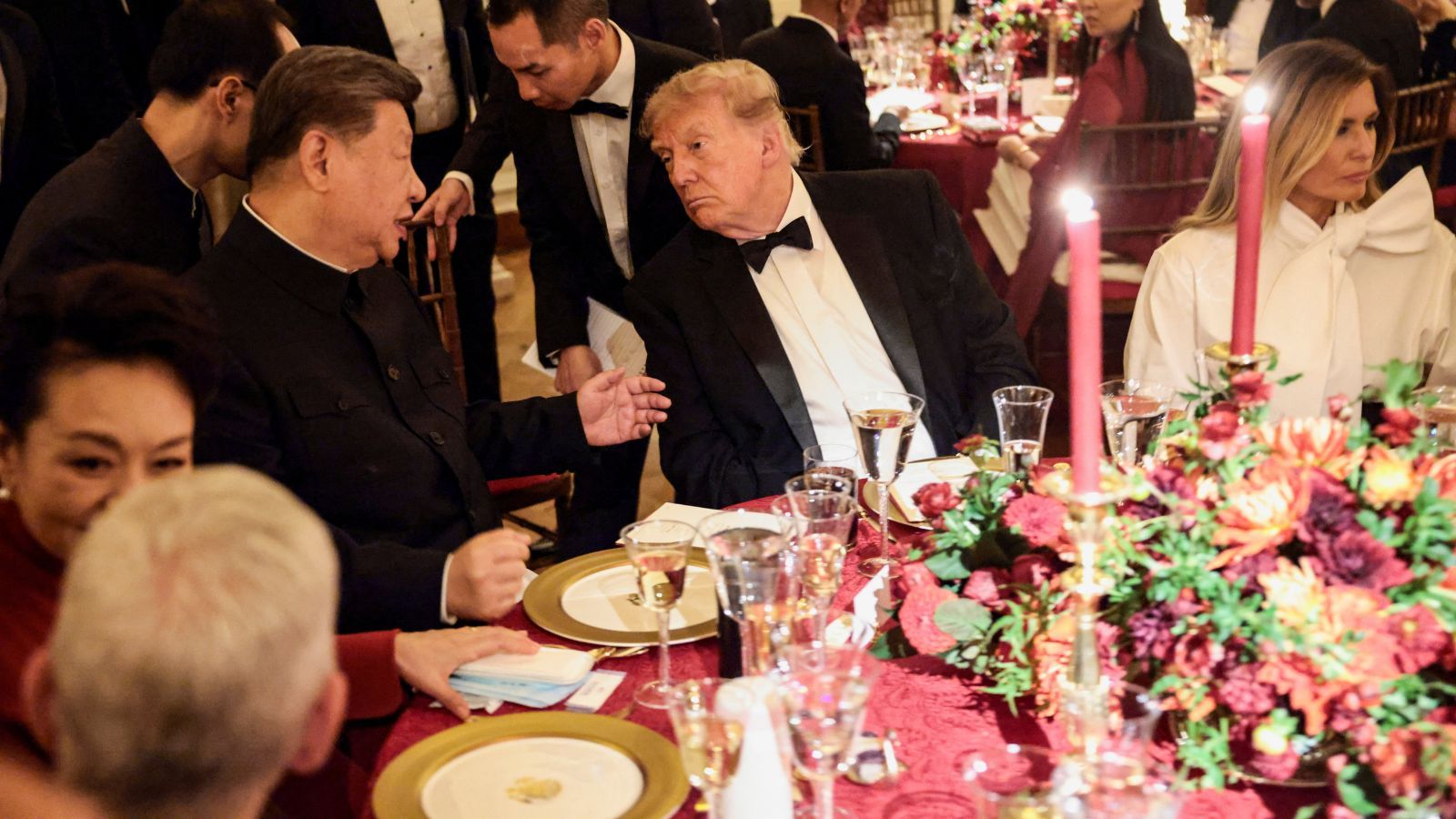
Bilateral diplomacy between the United States and China operates under a structural imperative where high-level leader summits serve as pressure valves rather than mechanisms for comprehensive resolution. When major economic competitors manage transactional relations under persistent structural friction, periodic encounters function to prevent systemic escalation rather than to achieve structural convergence. The architecture of bilateral engagement relies on defined touchpoints on the global diplomatic calendar, converting abstract geopolitical tension into bounded, managed friction.
The diplomatic sequence between Washington and Beijing follows a predictable cost-benefit calculus. Each administration faces domestic economic imperatives and security pressures that restrict concessions. Consequently, face-to-face engagements between heads of state are designed around two distinct constraints: risk mitigation and the signaling of red lines. Understanding the utility of these summits requires examining the mechanics of bilateral negotiations, where transactional bargaining intersects with long-term strategic competition.
The Transactional Bargaining Function
Bilateral encounters between major economic powers are governed by reciprocal leverage. Trade policy, technological access, rare earth supply chains, and regional security architectures form an interconnected web of bargaining chips. When leaders convene, the primary objective is the maintenance of operational floors beneath the relationship to prevent uncontrolled deterioration.
The economic security dimension operates through managed truces rather than permanent agreements. Tariff structures and export controls on advanced computing components create a high-cost environment for both economies. Periodic leader-level meetings serve to reset these thresholds, establishing temporary plateaus where commercial actors can calculate risk over a finite horizon. This mechanism prevents supply chain decoupling from accelerating into systemic trade collapse, substituting erratic escalation with predictable, monitored friction.
Strategic Signaling and Red Lines
Beyond commerce, leader summits serve as high-bandwidth channels for communicating non-negotiable boundaries. In great power competition, ambiguity regarding territorial or security commitments increases the probability of miscalculation. Direct engagement allows leadership to calibrate deterrence signals with precision that traditional diplomatic channels cannot replicate.
The sequencing of diplomatic opportunities dictates how long strategic stances must hold before the next chance for direct intervention. When structural issues such as maritime security in the Indo-Pacific or technology governance reach an inflection point, the calendar of international forums provides mandatory convergence zones. These multilateral backdrops—such as APEC and G20 gatherings—offer cover for bilateral side-meetings, minimizing the domestic political cost of seeking dialogue.
The Limits of Summit Diplomacy
A fundamental analytical error in assessing high-level diplomacy is overestimating the output of episodic meetings. Summits do not resolve structural contradictions; they merely manage the symptoms of systemic rivalry. Institutional friction between a dominant power and a rising peer stems from incompatible visions of global governance, security architectures, and economic rule-making.
Because these root causes remain immutable across election cycles and leadership tenures, bilateral agreements are inherently fragile. Memorandums of understanding on artificial intelligence communication channels or trade pauses represent procedural guardrails, not permanent alignment. The sustainability of any diplomatic breakthrough depends entirely on the domestic political incentives of each leader to enforce compliance down the bureaucratic chain.
To project the trajectory of bilateral relations, analysts must track the degradation rate of existing diplomatic accords against the frequency of scheduled leader encounters. When the interval between high-level interventions exceeds the velocity of geopolitical friction, systemic risk spikes. Strategic stability in great power competition is thus a continuous engineering problem, requiring constant calibration of deterrence, economic interdependence, and diplomatic availability.