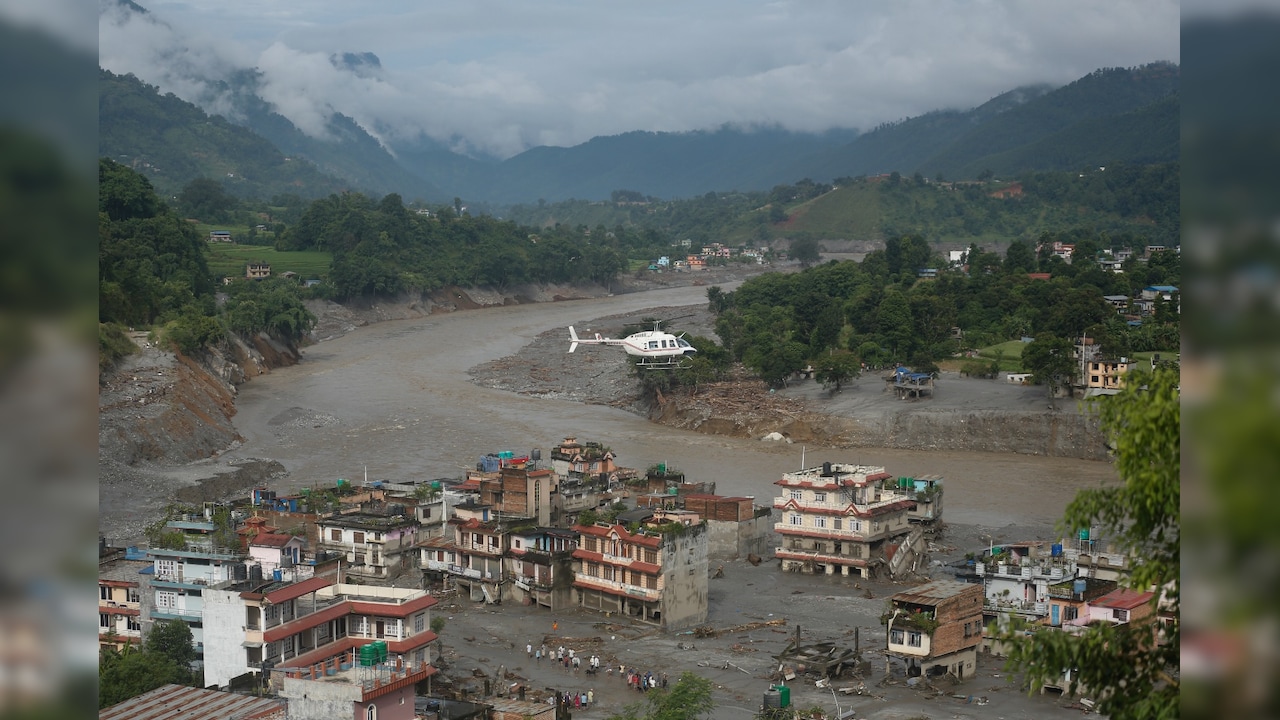
Macroeconomic fragility in developing geographic corridors is rarely a product of isolated external shocks; rather, it represents the systemic compounding of structural vulnerabilities over prolonged temporal horizons. When a single-day disaster paralyzes a mountainous economy dependent on rigid logistics, the resulting contraction extends far beyond immediate asset destruction. The core failure mechanism lies in liquidity evaporation within secondary and tertiary service sectors, transforming transient physical damage into multi-season insolvency.
The Three Vectors of Systemic Vulnerability
Geography dictates economic exposure in landlocked, high-altitude states. The physical configuration of transit routes creates high vulnerability coefficients, where a single localized landslide or flash flood severs the primary arterial connection between import sources and domestic markets.
Physical isolation generates an inelastic supply chain. When transport corridors fail, alternative routing options are practically nonexistent due to extreme topography. This eliminates supply elasticity, forcing immediate scarcity pricing on essential commodities such as fuel, food, and construction materials.
Capital accumulation remains stunted because recovery expenditure constantly cannibalizes developmental capital. Instead of deploying resources toward structural productivity enhancements, fiscal reserves repeatedly plug emergency deficits caused by recurring meteorological and geological events.
The Mechanics of Multi-Season Economic Contraction
Standard economic models often miscalculate disaster impact by measuring only direct asset loss, such as destroyed bridges, washed-out roads, and damaged hydropower infrastructure. This approach ignores secondary liquidity cascades.
Tourism and hospitality operations function on strict seasonal windows. A disruption during peak trekking or mountaineering quarters eliminates the cash flow required to service debt obligations incurred during the preceding off-season. Because commercial lenders in these regions lack flexibility, default rates surge within ninety days of a major infrastructure failure.
Foreign exchange earnings contract sharply while import bills remain rigid or increase due to emergency procurement needs. This currency imbalance pressures central bank reserves, leading to informal credit tightening across commercial banks. Small and medium enterprises, which account for the vast majority of employment, find themselves locked out of operating credit precisely when working capital is most required to bridge revenue gaps.
Fiscal Policy Bottlenecks and Institutional Inertia
State-level interventions frequently exacerbate structural loops through misallocated subsidies and delayed execution timelines. Bureaucratic friction paralyzes emergency procurement funds, meaning physical reconstruction often begins only after the subsequent weather cycle has initiated fresh vulnerabilities.
Tax revenue collection models rely heavily on consumption and import tariffs. When logistical arteries close, state income drops precipitously just as welfare and reconstruction expenditure demands peak. This structural deficit forces domestic borrowing, crowding out private sector credit and depressing investment in productivity-enhancing technologies.
Risk mitigation mechanisms remain underdeveloped. Insurance penetration for commercial property, agricultural yield, and transport logistics is exceptionally low, shifting the entire financial burden onto individual balance sheets and the sovereign debt profile. Without structured risk transfer instruments, every shock directly impairs the net worth of households and small business owners, resetting economic progress across multi-year cycles.
Strategic Resource Reallocation for Long-Term Resilience
Breaking economic feedback loops requires a shift from reactive disaster response to predictive structural hardening. Policymakers and institutional stakeholders must transition capital allocation toward redundant infrastructure networks, decentralized energy grids, and modernized financial safety nets.
Decentralization of supply chains represents the primary operational defense against corridor blockages. Establishing regional strategic reserves of fuel and dry goods outside primary hazard zones minimizes the price spikes that typically accompany infrastructure failures.
Financial architecture requires deep structural reform. Introducing parametric insurance products tied to meteorological and seismic triggers can inject immediate liquidity into affected sectors without waiting for bureaucratic damage assessments. Commercial lenders must adopt dynamic debt-restructuring protocols that automatically extend grace periods during verified logistical disruptions, preserving the enterprise layer necessary for immediate post-disaster recovery.
Capital expenditure programs must prioritize geological resilience over lowest-bid construction models. Integrating subsurface reinforcement, multi-modal transport redundancy, and digital asset tracking into public works ensures that future capital deployment permanently reduces systemic exposure rather than temporarily masking recurring vulnerabilities.