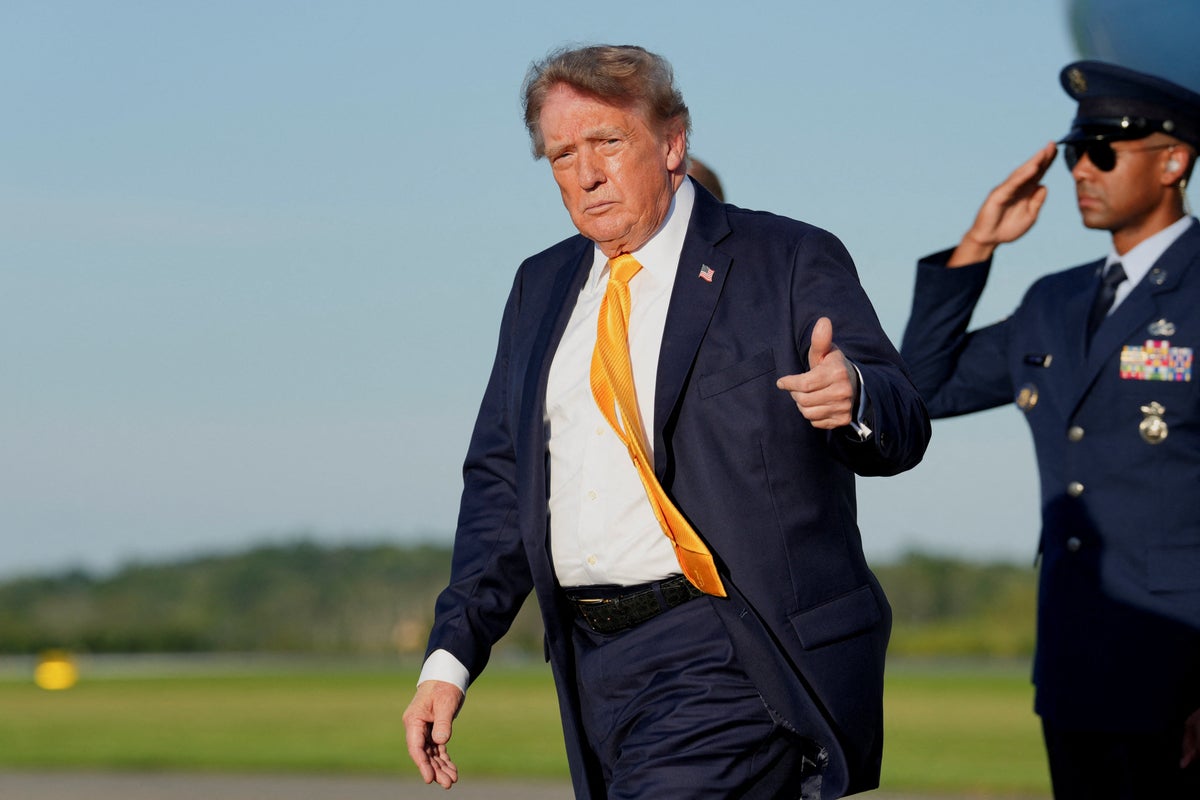
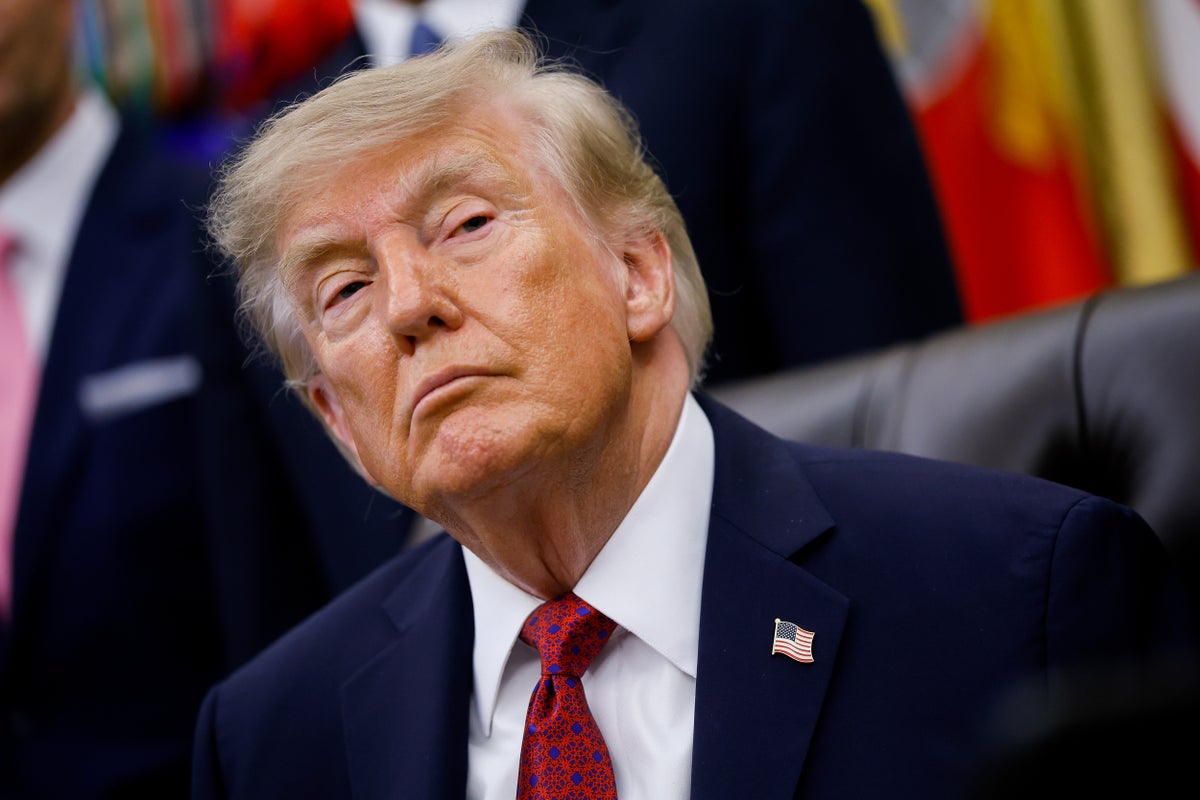
The political landscape of Washington just fractured. Senator Lindsey Graham of South Carolina has died at age 71 after a sudden cardiac arrest at his Capitol Hill home. He was fresh off a plane from Kyiv, meeting with Ukrainian President Volodymyr Zelensky just hours before his heart failed. Now, both sides of the aisle are left trying to figure out how to fill a massive institutional void.
Love him or hate him, you couldn't ignore him. He was a political chameleon who mastered the art of survival. He went from calling Donald Trump a "jackass" in 2016 to becoming the president’s most trusted golf partner and legislative fixer. This isn't just about losing a sitting senator; it's about losing one of the last true power brokers in a hyper-partisan era.
The Global Shockwaves of a Hawk's Passing
The reaction to Graham’s death highlights exactly how far his influence stretched beyond South Carolina. He wasn't a standard backbench legislator. He ran the Senate Budget Committee and controlled the purse strings for foreign policy spending.
Tributes are pouring in, and they paint a picture of a man who operated on a massive geopolitical stage.
- President Donald Trump called him "one of the greatest people and Senators I have ever known" and a "true American Patriot".
- Ukrainian President Volodymyr Zelensky praised Graham as a "true defender of freedom," noting the senator had visited Ukraine ten times during the war.
- Israeli Prime Minister Benjamin Netanyahu released an emotional statement calling Graham "a great friend of Israel and a cherished friend of mine".
- German Chancellor Friedrich Merz called him a cornerstone of the transatlantic alliance for four decades.
Naturally, his hawkish stances earned him bitter enemies abroad. Iranian state television announced his death by openly cheering, calling him a "warmongering" figure. He wanted military action against Iran and total victory in Ukraine. He didn't do subtle foreign policy.
The Scramble for South Carolina's Open Seat
Washington doesn't pause for grief. Republicans hold a tight 53-47 edge in the Senate, and Graham’s death narrows that margin immediately. The machinery to replace him is already spinning, and the timeline is incredibly compressed because he was actively running for reelection this November.
South Carolina Governor Henry McMaster has the ultimate power right now. He will appoint a temporary replacement to serve out the rest of Graham's current term, which ends on January 3. Trump has already dropped hints that he has "somebody I think would be great" for the job.
The real chaos begins with the special election cycle to get on the November ballot. South Carolina election law dictates a lightning-fast schedule:
- July 21: Filing opens for Republican candidates.
- July 28: Filing closes.
- August 11: A special Republican primary is held.
- August 25: A runoff primary occurs if no candidate hits the 50% threshold.
Names are already flying. Representative Nancy Mace admitted she's considering a run. Meanwhile, long-serving Representative Joe Wilson took himself out of the running, opting to stay in the House to protect Trump's slim majority there. Lieutenant Governor Pamela Evette is another name circulating in local circles. Whoever wins this chaotic summer sprint will face Democratic nominee Annie Andrews in November.
From Maverick to Trump Confidant
You can't understand modern American politics without looking at Graham’s ideological pivot. He started his career in Washington as a disciple of John McCain. Together, they were the "Mavericks," routinely bucking their own party on immigration and judicial nominees while demanding aggressive military intervention abroad.
When McCain died, many expected Graham to carry that specific torch. Instead, he chose a different path. He recognized the shifting winds of the Republican base and hitched his wagon completely to Trump. Critics called it political opportunism. Graham called it pragmatism, arguing that if you want to be relevant in Washington, you need to have the ear of the guy in charge.
He didn't just advise Trump; he defended him fiercely, most notably during the high-stakes judicial battles as Chairman of the Judiciary Committee. He was the engine behind confirming conservative judges that reshaped the federal courts.
What Happens Next
The immediate next step is the gubernatorial appointment by Governor McMaster. Watch closely to see if McMaster picks a placeholder who promises not to run in August, or if he chooses a heavy hitter to give them an immediate institutional advantage in the upcoming primary. Expect an announcement from the governor's office within days, as the Senate cannot afford to leave that seat empty for long with crucial budget votes looming.