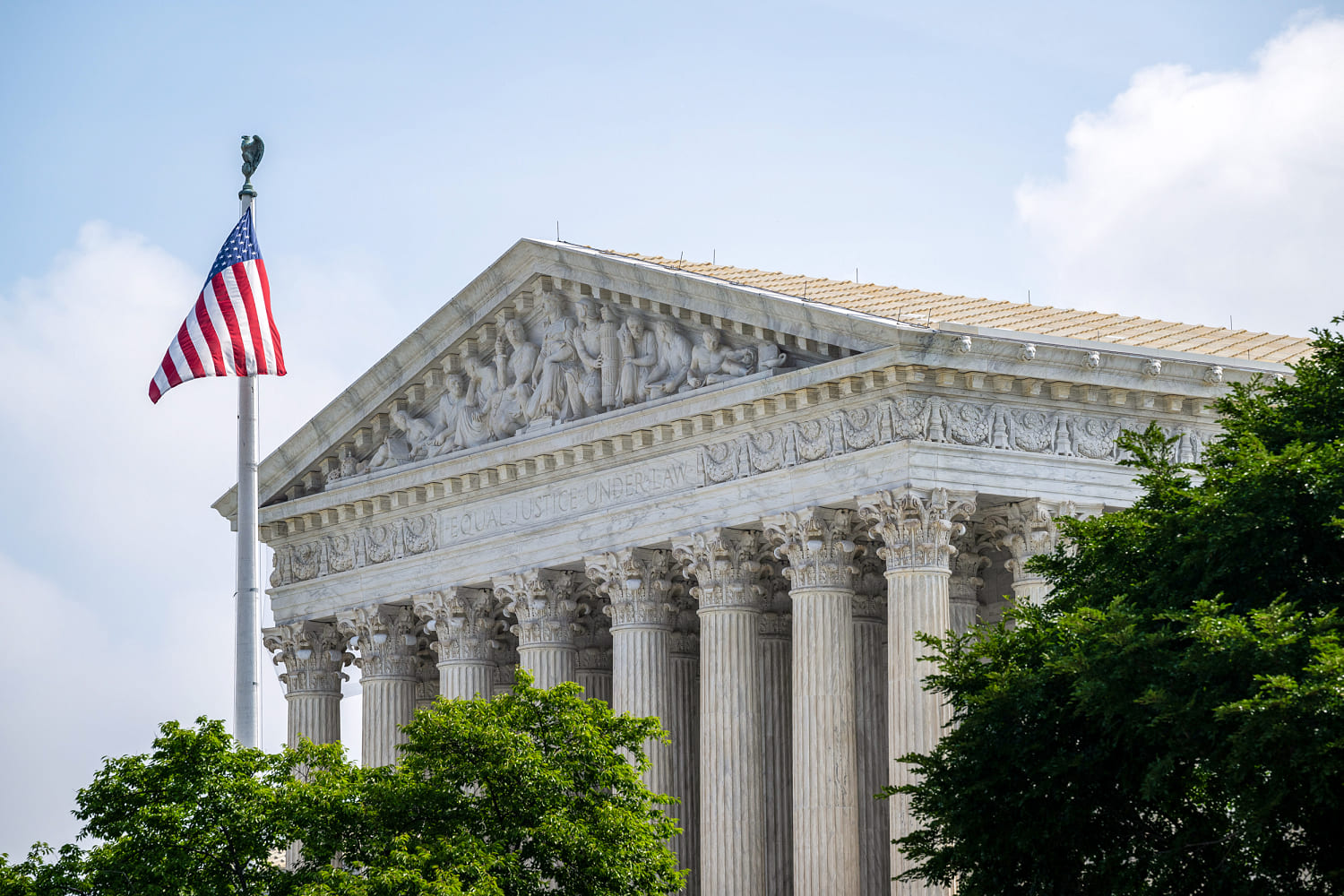
You want transparency from Washington until power actually changes hands. Right now, the highest court in the nation is deciding whether the public has a right to look under the hood of the most controversial federal experiment in modern history.
The Supreme Court agreed to hear the Trump administration's appeal to block the release of records tied to the Department of Government Efficiency, widely known as DOGE. If you've been following how billionaire Elon Musk and federal cost-cutters reshaped the bureaucratic state, you know this case isn't just about paperwork. It's about accountability, executive power, and who actually gets to control government data.
Let's break down what's happening, why the stakes are massive, and what this means for open government laws.
The Core Dispute Explained
At the heart of the legal war is a fundamental disagreement over classification. Is DOGE a formal federal agency, or is it merely an informal presidential advisory body?
The watchdog group Citizens for Responsibility and Ethics in Washington (CREW) sued under the Freedom of Information Act (FOIA), demanding internal logs, communications, and decision-making documents. CREW argued that because DOGE wielded sweeping independent authority—influencing mass federal layoffs, contract cancellations, and database access across agencies like OPM and the Treasury—it must play by the rules of public disclosure.
The Trump administration sees it differently. Government lawyers argue that DOGE operated under the Executive Office of the President as an advisory group, meaning it's entirely exempt from FOIA requirements. Lower courts initially sided with the watchdogs, prompting emergency appeals that landed right on the Supreme Court's docket.
Why the Lower Courts Stumbled
When U.S. District Judge Christopher Cooper initially ruled in favor of CREW, he ordered expedited processing and broad discovery into how DOGE operated. That discovery process yielded sworn depositions, including testimony from acting administrator Amy Gleason.
The administration pushed back hard, calling the discovery requests "extraordinarily overbroad and intrusive". They claimed that forcing compliance would set a dangerous precedent, opening up future presidential administrations to endless partisan litigation.
The Supreme Court's conservative majority previously stepped in to halt those broad document production orders, and now they've chosen to review the core legal questions. All three liberal justices dissented from the decision to hear the appeal, signaling deep ideological division over executive transparency.
The Real World Impact on Federal Workers
You can't talk about DOGE documents without looking at the fallout. The initiative drove massive cost-cutting measures, resulting in thousands of federal job cuts, canceled grants, and buyouts that cost billions.
Government accountability reports later showed that billions went toward paying employees who accepted buyouts or were sidelined during the shakeup. Critics and watchdog groups want the raw data to see how decisions were made, who was targeted, and whether proper protocols were followed when external tech figures accessed sensitive federal databases.
If the Supreme Court ultimately rules that DOGE-style entities are completely exempt from FOIA, future administrations gain a powerful blueprint. A president could spin up an outside advisory panel, give it sweeping operational control over federal agencies, and keep all internal communications hidden from public view forever.
What Happens Next
The high court's final ruling is expected to land later this year. Legal experts note that the decision will stretch far beyond the immediate DOGE fallout, redefining the boundary line between executive privilege and public right-to-know laws.
If you care about how government money is spent and how policy is executed behind closed doors, keep a close eye on this docket. The outcome will decide whether public records laws still have teeth when digital-age reformers try to hack the bureaucracy.