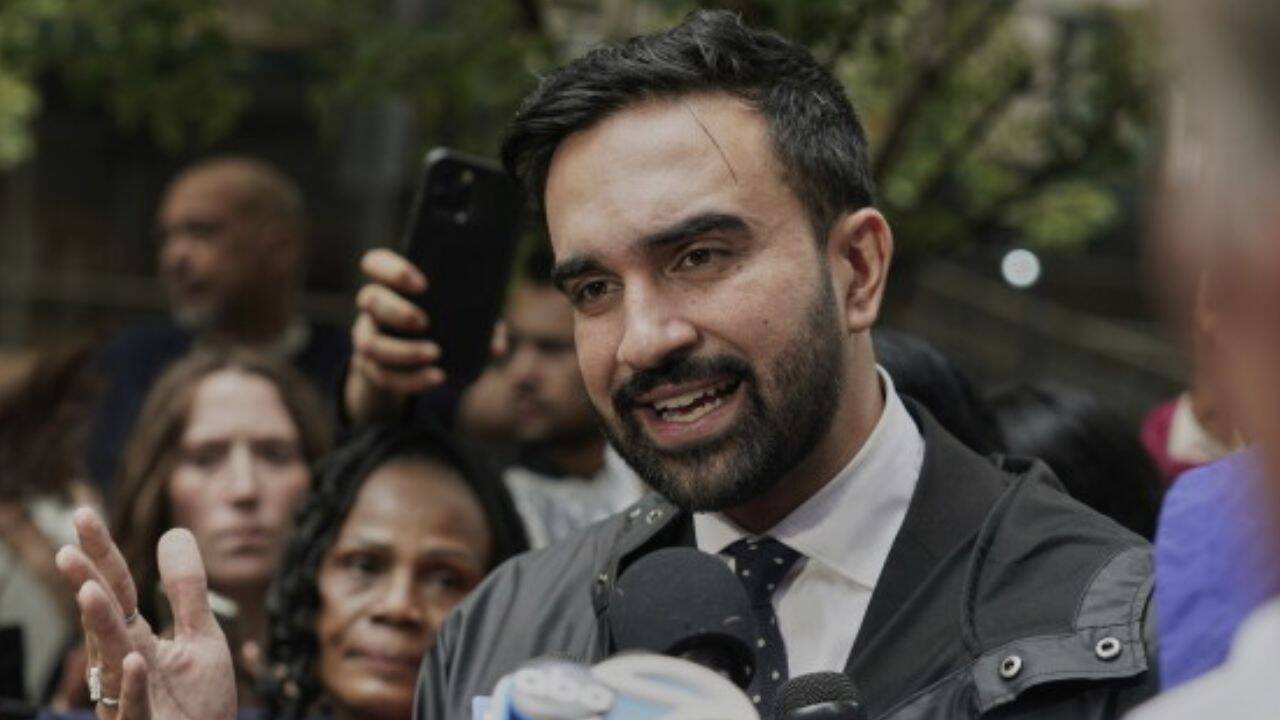
When a high-profile shooting involving federal immigration enforcement sparks outrage across municipal streets, the immediate reflex from local politicians is predictable. Elected officials rush to microphones, demand independent probes, and frame the crisis as an encroachment by a rogue agency operating outside the boundaries of civil society. This lazy consensus provides an easy villain and a clean narrative. It allows city leaders to channel public anger outward, pointing the finger at federal boots on the pavement while ignoring the structural failures festering in their own backyards.
The standard critique focuses entirely on accountability, jurisdiction, and federal overreach. But this framing misses the underlying mechanics of urban public safety. Focusing exclusively on the actions of a single enforcement operation ignores the broader systemic conditions that bring federal agents and local populations into violent collision in the first place. Meanwhile, you can read related developments here: Why a 60-Day Ceasefire for Ukrainian Elections Is a Dangerous Illusion.
The Fallacy of Municipal Sovereignty
Cities like New York love to style themselves as sanctuaries, drawing sharp legal and political lines between local police departments and federal immigration authorities. Proponents of this separation argue that insulating local communities from federal enforcement builds trust and lowers crime. On paper, the logic holds. In practice, it creates a dangerous regulatory vacuum.
When local authorities completely disengage from federal coordination, enforcement does not stop; it simply becomes more erratic, secretive, and desperate. Federal agencies operating in hostile urban environments do not scale back their operations because a city council passes a resolution. They adapt by moving in the shadows, relying on high-stress, high-visibility tactics that elevate the risk of catastrophe. To explore the full picture, check out the excellent article by BBC News.
Blaming the agency alone is an evasion of municipal responsibility. Local governments cannot claim total immunity from federal law enforcement actions while simultaneously failing to secure their own neighborhoods against the economic and social strains that drive people into the underground economy.
Dismantling the Oversight Illusion
Demanding a high-profile investigation into a specific shooting satisfies the public appetite for immediate retribution, but it rarely changes systemic outcomes. Investigations produce reports, recommendations, and sometimes disciplinary action for individual officers. They do not rewrite the statutory mandates governing federal immigration enforcement, nor do they alter the dangerous realities of street-level enforcement in dense metropolitan areas.
Consider a scenario where every single demand made by outraged local officials is met: the agents involved are suspended, the agency faces a congressional inquiry, and new oversight boards are established. Does this prevent the next confrontation? History suggests otherwise. As long as federal immigration quotas remain disconnected from local realities, and as long as urban centers house massive undocumented populations working in unregulated sectors, the friction remains constant.
Treating a systemic policy failure as a purely disciplinary problem is intellectual laziness. It lets lawmakers off the hook by reducing complex jurisdictional conflict down to a simple morality play of good versus evil.
The Economic Engine Nobody Wants to Name
The uncomfortable truth underpinning every high-stakes enforcement clash is the dual-track economy operating beneath the surface of major American cities. Urban centers rely heavily on a shadow labor force to sustain hospitality, construction, and service industries, yet they offer zero legal pathways or structural protections for the workers sustaining those very sectors.
When federal agents sweep into a neighborhood, they are enforcing federal statutes passed by politicians who benefit from the cheap labor while disowning the enforcement costs. Local leaders scream about civil rights violations while turning a blind eye to the employers who exploit undocumented workers in broad daylight.
If cities genuinely want to stop these tragedies, political posturing on courthouse steps is useless. The real work requires addressing the economic incentives that draw federal enforcement into urban neighborhoods in the first place.
Protecting communities requires honest governance, not theatrical defiance. Until local leaders stop treating federal enforcement as an alien invasion and start confronting the economic contradictions of urban labor markets, the cycle of tragedy and outrage will repeat itself, exact and unyielding.