When thousands of people across the United States fall violently ill from a single food item, everyone starts looking for someone to blame. That is exactly what happened when a massive multistate outbreak of Cyclospora infections linked to shredded iceberg lettuce forced a major recall.
The Food and Drug Administration eventually traced the source back to Taylor Farms de Mexico, triggering onsite facility investigations that exposed uncomfortable truths about how our fresh produce crosses borders. If you think the food supply chain is an airtight machine monitored at every step, you are living in a fantasy.
Inside the Investigation That Found Cyclospora
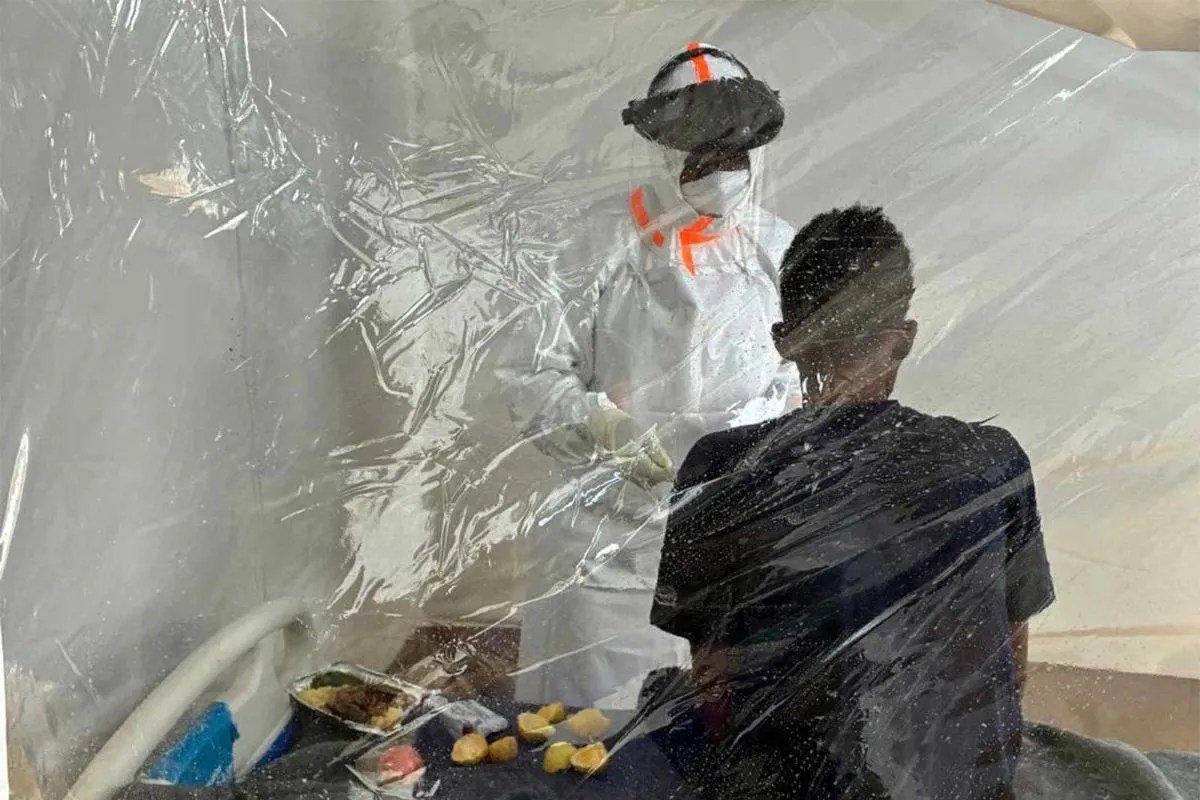
When federal investigators finally touched down at the Taylor Farms facilities and associated grower fields in central Mexico, they weren't just taking casual notes. They collected samples of soil, sediment, irrigation water, and plant matter.
The results were telling. Two specific samples tested positive for the stubborn parasite. One positive
Why FDA Findings at Taylor Farms Mexico Matter for Your Kitchen
health
Food safety scandals hit different when they involve the bag of greens sitting right in your refrigerator crisper drawer. When the United States Food and Drug Administration flagged Cyclospora contamination during an inspection at a Taylor Farms facility in Mexico, it sparked a familiar wave of anxiety for anyone who relies on pre-washed, bagged salads. You grab a clamshell package labeled triple-washed, you assume it is safe, and you move on with your week. Then a regulatory inspection reveals microscopic parasites hiding on farm equipment or produce water, and suddenly you are questioning every salad kit you bought over the last month.
Let us look past the corporate PR statements and legal disclaimers. What actually happened down in Mexico, what is Cyclospora anyway, and how should you change your shopping habits right now?
Understanding the Cyclospora Threat in Produce
Cyclospora cayetanensis is not your average foodborne bacteria like E. coli or Salmonella. It is a microscopic single-celled parasite that causes an intestinal infection called cyclosporiasis. The transmission route sounds like a worst-case scenario for modern industrial agriculture. People become infected by ingesting something—usually water or fresh produce—that has been contaminated with feces.
Once the parasite enters your system, it sets up camp in your small intestine. The incubation period lasts about a week. Then the symptoms hit. Watery diarrhea, explosive bloating, severe stomach cramps, nausea, extreme fatigue, and sometimes a low-grade fever. If left untreated, the misery can last for weeks or even months, coming in exhausting waves where you feel slightly better before crashing right back down.
Standard antibiotics like trimethoprim-sulfamethoxazole clear it up fast, but doctors often miss the diagnosis because routine stool cultures do not test for parasites unless specifically requested. You end up suffering through weeks of gastrointestinal chaos wondering why a bad case of food poisoning refuses to quit.
What the FDA Inspection Actually Found
Regulatory oversight in international agriculture is messy. The FDA conducts foreign facility inspections to ensure imported food meets domestic safety standards under the Food Safety Modernization Act. When inspectors visited the Taylor Farms processing facility in Mexico, they uncovered environmental conditions and sanitation practices that allowed potential pathways for Cyclospora contamination.
Agricultural water management sits at the heart of this vulnerability. Leafy greens require massive amounts of water for irrigation, pesticide application, and post-harvest washing. If agricultural water sources become contaminated with untreated sewage or runoff from nearby livestock operations, microscopic parasites hitch a ride straight onto the lettuce leaves. Once those leaves enter a commercial washing flume, the parasite can spread across thousands of pounds of product before the packaging ever gets sealed.
Taylor Farms dominates the commercial produce supply chain. They supply massive restaurant chains, fast-food joints, and grocery store private labels across North America. When an issue crops up at a major supplier facility, the ripple effect spans hundreds of miles of distribution networks. The sheer scale of modern agricultural logistics means contamination events affect vast quantities of food before regulatory agencies even finish their lab tests.
Why Triple-Washed Labels Give a False Sense of Security
We put way too much faith in marketing phrases printed on plastic bags. Labels boasting that greens are triple-washed or ready-to-eat create a powerful psychological shield. You think industrial sanitizers wipe out every biological hazard known to science.
They do not. Chlorine washes and commercial sanitizing agents reduce bacterial loads significantly, but they struggle against resilient parasites. Cyclospora features a tough outer shell called an oocyst that protects it from standard chemical disinfectants used in food processing plants. Washing helps remove dirt and loose debris, but it rarely achieves total sterilization.
If irrigation water is contaminated at the source out in the field, washing the harvested leaves at the processing plant is often too little, too late. The parasite clings stubbornly to the rough textures and tiny folds of lettuce and cilantro leaves.
Practical Steps to Protect Your Kitchen
You do not need to banish all fresh vegetables from your diet forever. That strategy is unrealistic and deprives your body of essential nutrients. Instead, you need to adjust how you handle produce with a healthy dose of skepticism.
Stop eating bagged salad kits straight from the plastic without a secondary cleaning step. While washing packaged greens at home will not magically eliminate microscopic parasites if they are deeply embedded in the plant tissue, it reduces overall microbial loads.
Buy whole heads of lettuce instead of pre-cut, bagged mixes whenever possible. Whole heads offer less surface area for cross-contamination during commercial processing, and you can peel away outer leaves, trim the root, and wash the remaining leaves thoroughly under running water yourself.
Pay close attention to food recall notices issued by public health authorities. If a specific lot number matches produce sitting in your fridge, throw it out immediately. Do not taste-test it to see if it seems fine. Parasites do not change the smell, taste, or visual appearance of food.
Cooking is another effective defense, though it ruins a salad. Heat destroys Cyclospora instantly. While you obviously cannot cook a Caesar salad kit, you can sauté sturdy greens like spinach or kale in soups, stir-fries, and pasta dishes if you ever feel genuinely concerned about a specific regional outbreak.
Food safety ultimately comes down to acknowledging that industrial supply chains are imperfect. Stay alert, question the absolute safety claims printed on plastic packaging, and handle your fresh produce with care.