Every election cycle produces the same panicked chorus from cable news studios. Pundits clutch their pearls, anchors lecture party leadership, and talking heads demand that politicians "get their act together" before voters head to the polls. It is comfortable, lazy analysis. It treats political parties like misbehaving corporate boards that just need a stern memo from management to fix quarterly earnings.
That narrative is entirely wrong.
The standard critique assumes that disorganization is a bug in the political machine. It is actually a feature. When high-profile commentators like Laura Ingraham warn that the Grand Old Party is sleepwalking through critical states or losing its grip on the electorate, they diagnose a surface symptom while ignoring the structural disease. Parties are no longer disciplined hierarchical structures capable of executing top-down operational plans. They are decentralized, chaotic digital tribes fueled by instant outrage and ideological purity tests. Telling them to organize is like telling a hurricane to form a neat orderly queue.
Let us dismantle the lazy consensus.
The Myth of Operational Competence
The conventional wisdom dictates that electoral success flows from disciplined message coordination, crisp field operations, and well-funded ground games. If candidates stumble, analysts blame campaign managers, clumsy messaging, or poor strategy.
This view belongs in the last century.
Modern political alignment is driven by cultural resonance and macroeconomic currents that individual campaigns can barely influence, let alone control. When voters feel the squeeze of high fuel costs, stubborn inflation, or international entanglements, no amount of institutional discipline will convince them otherwise.
Consider the persistent obsession with internal party machinery. Pundits point to lagging primary turnout, localized fundraising shortfalls, or contentious primaries as proof of impending electoral doom. They argue that if leadership would only crack the whip and force candidates into a unified formation, victory would follow.
This reasoning fundamentally misreads how incentives work in a polarized electorate.
The Incentive Trap of Modern Primaries
Party establishment figures crave safety, predictability, and moderate appeal in swing districts. Yet, the primary electorate rewards absolute ideological defiance. A candidate who listens to establishment warnings to soften their edges risks getting crushed from their right flank by a challenger fueled by social media outrage and grassroots purity.
When insiders demand discipline, they are asking politicians to commit political suicide in primary elections just to appease general election statisticians who live inside Beltway echo chambers.
Imagine a scenario where a national party committee manages to successfully bully every local candidate into adopting a sanitized, highly coordinated, poll-tested message. What happens? Enthusiasm flatlines. The base stays home. The energy that drives modern political movements vanishes the moment institutional consultants sanitize the rhetoric.
Disorganization is not a failure of will. It is the natural byproduct of a hyper-democratized political ecosystem where grassroots actors refuse to take orders from party elites.
Why the Wrong Questions Dominate
Media coverage constantly asks whether party leaders can whip their members into shape or whether sliding approval ratings will sink legislative agendas. These questions accept the flawed premise that political parties still function as corporate hierarchies.
The better question is why anyone expects institutional stability in an era defined by populist insurgency.
Political parties are hollowed-out shells. They are brand labels rented out by independent entrepreneurial politicians who build their own digital donor bases, media empires, and loyal factions. Asking Laura Ingraham or any other commentator to fix this with a stern televised lecture is like asking a weather forecaster to stop a thunderstorm by shaking their fist at the clouds.
Stop waiting for leadership to impose order. Order is dead. The chaotic, decentralized, friction-heavy reality of modern campaigning is here to stay, and pretending otherwise is just professional malpractice dressed up as punditry.
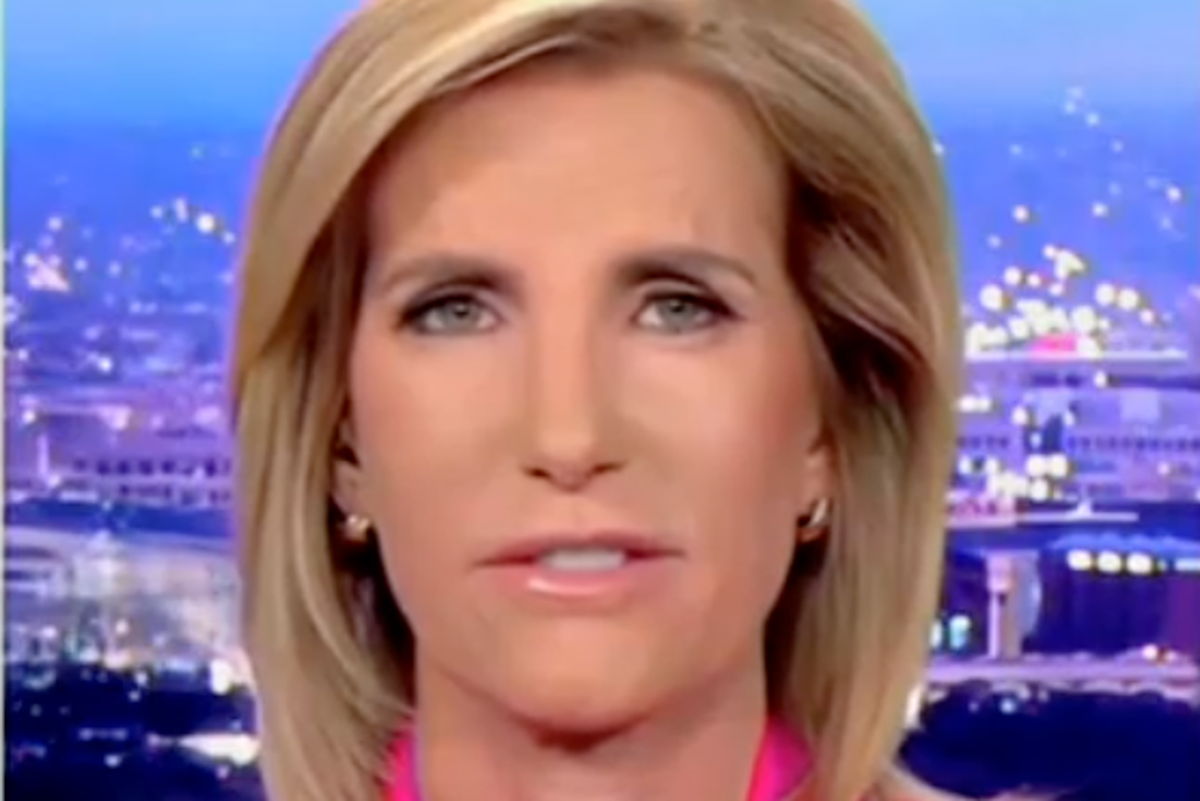
Laura Ingraham on midterm election news
This short video clip captures how mainstream media figures frame internal party anxiety and warnings ahead of upcoming legislative battles.
http://googleusercontent.com/youtube_content/1