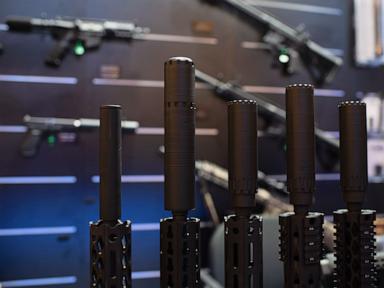
The federal government just hit a massive roadblock on gun regulations, and the fallout is moving fast. A federal judge in Texas issued an order that dismantled core restrictions on firearm suppressors, short-barreled rifles, and short-barreled shotguns. When the U.S. Department of Justice let a critical seven-day deadline pass without filing an emergency appeal, the order officially took effect.
If you own or want to buy a silencer, the rules as you knew them are shifting underneath your feet. But before you assume every single restriction nationwide just vanished into thin air, you need to understand what this ruling actually covers and who it applies to.
The Domino Effect of Zero Taxes
To understand why this Texas court order matters right now, you have to look back at how federal law handled these items for decades. Passed in 1934 during the height of Prohibition-era mafia violence, the National Firearms Act (NFA) placed strict federal controls on suppressors, short-barreled firearms, and other specialized gear.
For nearly ninety years, the government justified this massive regulatory and registration scheme entirely through its congressional taxing power. The logic was straightforward. If the federal government could tax the transfer or manufacture of these items—historically set at $200 per tax stamp—it could legally attach endless fingerprinting, background checks, registration paperwork, and ATF approval hoops.
Then came the legislative shift. Last year, Congress passed the One Big Beautiful Bill Act, which reduced the federal NFA transfer and making tax on suppressors and short-barreled guns to zero.
That single change broke the system. U.S. District Judge James Wesley Hendrix of the Northern District of Texas pointed out the obvious constitutional flaw. Once Congress wiped out the tax, the entire legal justification for keeping these items trapped inside a federal registration registry evaporated.
What the Ruling Actually Does
Judge Hendrix ruled that the continued enforcement of the NFA registration and approval requirements for these now-untaxed items violates the Constitution. When the Department of Justice failed to secure a stay before the deadline, the order took effect for the parties involved in the lawsuit.
Groups like Gun Owners of America wasted no time putting the decision into practice. Members reportedly walked out of dealers like Silencer Shop in Leander, Texas, acquiring suppressors without submitting to the traditional NFA registration pipeline.
Gun safety organizations reacted with fierce criticism. Leaders at groups like Giffords and the Brady campaign argued that abandoning the registry strips away vital tracking tools and removes a crucial layer of local law enforcement notification that functioned as a specialized background check.
What This Means for Buyers Right Now
Don't pack up your car just yet. This is not a nationwide blanket injunction that instantly rewrites the law in every single state.
The ruling directly protects the plaintiffs, associated members, and specific participating dealers. It creates a massive legal precedent, but it doesn't automatically mean your local gun shop outside of the lawsuit's scope can immediately hand over a suppressor without paperwork today.
Furthermore, the legal war is far from over. While the Justice Department missed the initial window to block the order through an emergency stay, they can still pursue a full appeal through the Fifth Circuit Court of Appeals in the coming weeks and months. The Department of Justice released statements noting they are carefully assessing the impact of the decision, meaning higher courts will likely have the final say.
If you live in a state that maintains its own independent statutory bans on suppressors or short-barreled rifles, those state-level prohibitions remain fully active regardless of what happens in federal court.
Keep a close eye on how appellate courts handle the upcoming motions. The $200 tax stamp might already be a ghost of the past, but the fate of the broader federal firearm registry hangs in the balance. Watch the filings, talk to your local Class 3 dealers before making assumptions, and recognize that the landscape of firearm ownership is entering its most volatile legal chapter in decades.