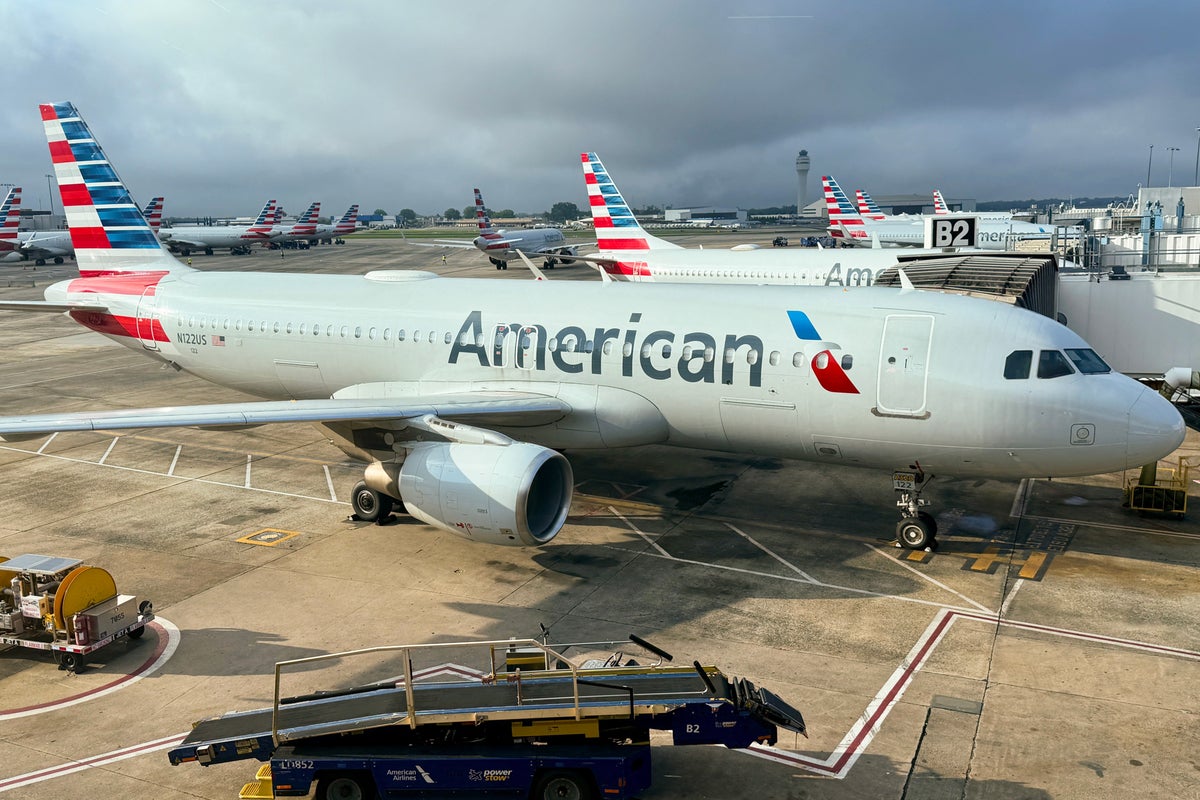
Commercial aviation operates on a risk mitigation matrix designed around containment, redundancy, and rapid human intervention. When a lithium-ion power source enters thermal runaway inside a pressurized fuselage, the operational margin for error narrows to seconds. The mid-flight cabin incident involving a passenger laptop on an American Airlines flight highlights a persistent vulnerability in modern aviation transport: personal electronic devices carried into the passenger cabin bypass the rigorous bulk cargo containment protocols applied to loose lithium batteries, shifting the burden of initial hazard management entirely to cabin crew procedures and improvised physical suppression.
Evaluating this operational failure requires examining the thermodynamic mechanisms of the event, the regulatory classification gaps governing portable energy storage, and the systemic constraints limiting first-response mitigation at cruising altitude. Meanwhile, you can explore similar developments here: Stop Worrying About Italian Running Fines And Admit You Just Hate Local Ordinances.
The Thermodynamic Failure Cascade
Lithium-ion cells fail through a predictable sequence of escalating exothermic reactions known as thermal runaway. Understanding why a consumer device ignites mid-flight demands a breakdown of the internal degradation vectors.
The primary trigger is internal short-circuiting, typically caused by separator membrane failure, mechanical puncture, or manufacturing defects aggravated by cycling and thermal stress. Once the internal separator breaches, the cathode and anode make direct contact. To understand the bigger picture, we recommend the excellent report by Condé Nast Traveler.
Energy stored within the cell discharges rapidly through this localized bridge, generating intense Joule heating. At approximately 130 degrees Celsius, the polyethylene or polypropylene separator melts, accelerating the internal short.
As internal temperatures climb toward 200 degrees Celsius, the cathode material begins to decompose exothermically, releasing oxygen. This oxygen reacts with the flammable organic carbonate solvent used as the electrolyte.
The resulting gas generation increases internal cell pressure until the safety vent ruptures, expelling a high-velocity stream of toxic and flammable gases, including carbon monoxide, hydrogen, and hydrocarbons.
When these gases encounter an ignition source or reach auto-ignition temperatures within the confined geometry of an aircraft cabin, deflagration occurs, projecting burning particulate matter and secondary thermal radiation onto adjacent passenger seating and materials.
The Regulatory and Operational Asymmetry
Aviation safety authorities enforce strict mandates for lithium batteries transported as cargo, requiring state-of-charge limitations, specialized packaging, and advanced fire suppression systems in cargo holds. However, consumer electronics carried on person or in carry-on baggage exist in a regulatory gray area.
Passengers routinely board commercial aircraft with high-capacity power banks, laptops, and tablets containing dense energy arrays that exceed the total amp-hour ratings permitted in checked baggage.
This creates a structural contradiction in safety management. Cargo holds are equipped with Halon or alternative gaseous suppression systems, pressure relief valves, and rigorous cargo classification protocols.
Conversely, the passenger cabin relies on open-air atmospheric conditions, manual intervention by flight attendants, and general-purpose water glycol or halon handheld extinguishers.
Water extinguishers cool the surrounding area but do not immediately halt the internal chemical reactions of a sealed lithium cell. Halon extinguishes ambient flames but lacks the cooling capacity required to arrest runaway chemistry within stacked cell modules.
Cabin crew training protocols emphasize containment using thermal containment bags or smothering agents, yet the physical dynamics of a packed aircraft cabin impede rapid access.
Narrow aisles, seated passengers, and the sudden accumulation of dense, toxic smoke create a severe time-to-intervention penalty. By the time a crew member reaches the affected row with a containment kit, the kinetic and thermal energy released has already compromised the immediate structural environment of the seat grouping.
The Cost Function of Portable Power Density
The root cause of these inflight thermal events is the ongoing optimization for energy density in consumer electronics. Manufacturers push to maximize battery life within slender chassis designs, reducing internal spacing between individual cells and thinning the thermal barriers separating high-capacity anodes and cathodes.
When these devices are stowed in overhead bins or compressed between seat cushions and tray tables, they experience mechanical stress and localized thermal insulation.
Unlike industrial or automotive battery packs equipped with active liquid cooling loops, active battery management systems, and rigid structural housing, consumer laptops rely on passive chassis cooling.
Inside an airplane cabin, ambient air pressure fluctuations and constrained airflow can disrupt the thermal dissipation profile of a device under heavy processor load or rapid charging via portable power banks.
This operational context reveals the exact failure vector missed by standard media reporting: the incident is not merely an electrical malfunction, but a systems integration failure where high-energy chemical storage is introduced into a high-density, low-containment human environment without equivalent safety architectures.
Strategic Operational Reductions
To eliminate the recurrence of mid-flight cabin fires driven by portable electronics, commercial aviation stakeholders must transition from reactive cabin suppression to proactive systemic prevention.
Mandatory pre-flight safety briefings must explicitly incorporate protocols for handling overheating devices, instructing passengers to immediately notify crew rather than attempting improvised smothering with luggage or clothing.
Airlines should standardize the deployment of rapid-response lithium containment barriers within easily accessible cabin storage stations, moving beyond standard PBE and extinguisher kits to include specialized fire-blanket arrays rated for Class D and lithium thermal events.
Device manufacturers must be held to higher mechanical durability standards for aviation use, including mandatory implementation of non-flammable solid-state electrolyte integration for high-capacity portable computers within the next design cycle.
Until these architectural shifts occur, the safety of the cabin remains dependent on the physical agility and rapid response of flight crews operating at the ragged edge of containment limits.