The cabin air always smells of stale coffee, recycled humidity, and quiet anxiety. At thirty-five thousand feet, humanity is suspended in a fragile aluminum cylinder, hurtling through the stratosphere at six hundred miles per hour. We place an extraordinary amount of faith in strangers. We trust the pilots with our lives, the mechanics with the bolts, and, implicitly, the person in seat 14B not to shatter the social contract that keeps two hundred strangers civil in a space the size of a studio apartment.
Then, the contract breaks.
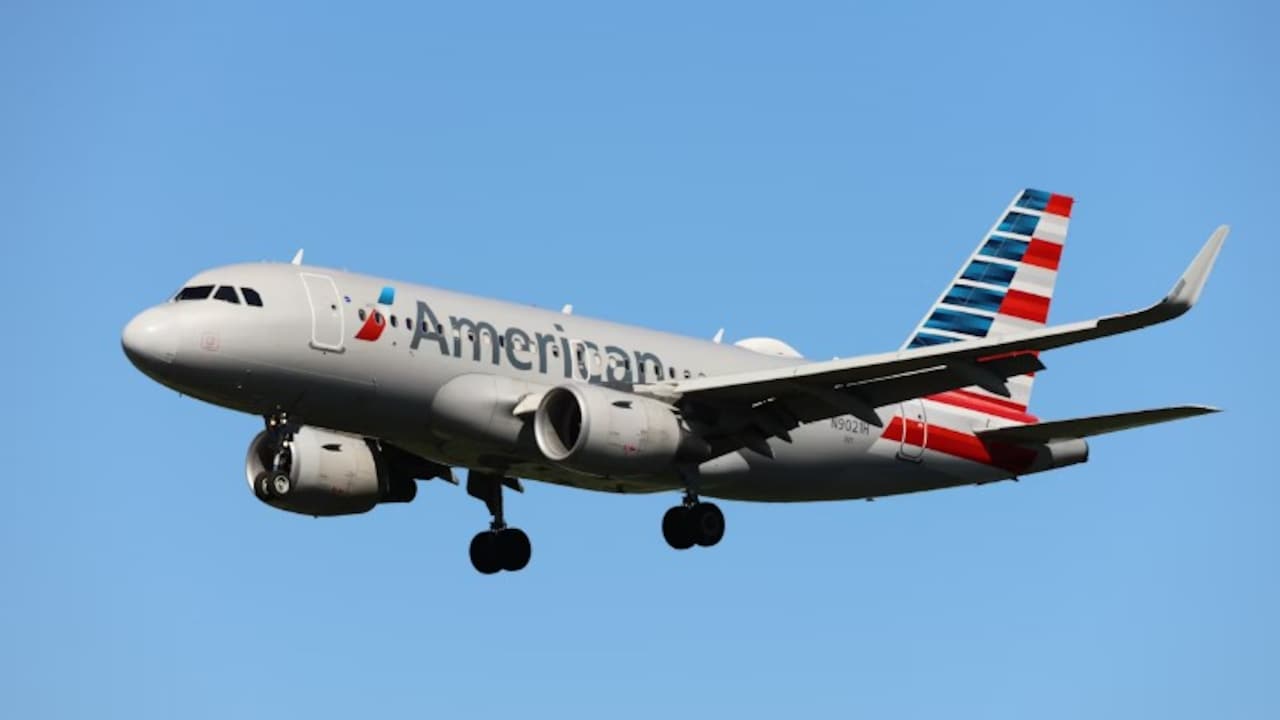
Imagine the sudden shift in atmosphere on that American Airlines flight bound for Miami. Not the turbulence of a weather front, but the violent, unpredictable weather of a human mind unraveling in public view. Reports would later dryly record the incident: a female passenger stripping off her clothing, moving down the aisle, and performing erratic, indecent acts before flight crew and terrified travelers intervened. The police waiting at Miami International Airport would file their paperwork. The headlines would feed the internet’s endless appetite for airport chaos.
Yet, behind the viral clips and the breathless news briefs lies a darker, more haunting reality. People do not simply erupt mid-flight for amusement. They break.
Altitude alters physiology. Reduced cabin pressure lowers blood oxygen saturation, a subtle hypoxia that can exacerbate underlying psychiatric vulnerabilities, panic disorders, and substance-induced psychoses. Mix that invisible biological pressure cooker with the modern crucible of commercial air travel—cramped seats, endless delays, dehydration, airport security lines that strip away personal dignity, and the pervasive, low-grade terror of modern existence—and the flight deck becomes a pressure chamber.
Consider what it feels like to reach the absolute breaking point. Not a metaphorical tipping point, but the exact second where the internal monologue snaps, where the terrifying weight of reality becomes too heavy to carry in a polite, seated position. For most, the panic attack stays internal. We grip the armrests until our knuckles turn white. We sweat through our shirts. We swallow our screams.
And for a rare, tragic few, the internal storm breaches the hull.
The passengers on that Miami flight did not sign up to be witnesses to a psychological catastrophe. They wanted a gin and tonic, a movie on an iPad, a safe landing in Florida. Instead, they were plunged into a raw, unfiltered encounter with human distress. Flight attendants, trained primarily for drink service and emergency evacuations, suddenly found themselves cast as crisis negotiators and amateur restraints experts, balancing passenger safety with human empathy in a space where escape is mathematically impossible.
We love to mock the absurdity of modern air travel behavior. "Air Rage" has become a punchline, a genre of internet entertainment where we judge the unhinged actions of our fellow citizens from the safety of our desk chairs. We point fingers. We demand lifetime bans. We ask what is wrong with them.
We rarely ask what is wrong with the environment we have built.
Commercial aviation has transformed from a marvel of human engineering into an exercise in endurance. We pack humans into aluminum tubes like livestock, strip them of legroom, charge them for water, delay them for hours on sweltering tarmac, and expect them to remain calm, docile, and civilized. We have industrialized the skies while eroding the basic comforts of human transit. Most people endure it with quiet desperation. But pressure finds the weakest seam.
When the cabin door finally opened in Miami and law enforcement boarded, the spectacle ended for the public. The woman was escorted away, likely into a psychiatric hold or a criminal justice system ill-equipped to handle the nuances of mid-air decompensation. The other passengers gathered their carry-on bags, blinking against the harsh Florida sun, eager to return to their normal lives, shaken by how thin the ice is beneath our feet.
The plane was cleaned. The seats were wiped down. The next flight boarded on time.
Yet the question remains, hovering in the stale recycled air of every flight currently crossing the continent. How close are any of us to the edge? How much pressure can a human soul withstand before it starts tearing off its clothes and screaming at the sky, desperate for air, desperate to be noticed, desperate to stop falling while trapped in motion?