The Shadow on the Border
The dust in Balochistan doesn't just settle; it chokes. For the soldiers stationed at the edge of Pakistan’s western frontier, the horizon isn't just a geographical marker. It is a source of constant, low-grade anxiety. To the west lies Iran, a neighbor currently locked in a scorching cold war with the West. To the far west, across the Atlantic, lies the United States—the superpower that provides the very hardware the Pakistani military relies on to keep its borders intact.
When the Prime Minister and the Army Chief boarded their flights for these high-stakes diplomatic missions, they weren't just carrying briefcases. They were carrying the weight of a nation trying to breathe while two giants squeeze its ribs.
Imagine a shopkeeper in a border town like Taftan. His livelihood depends on the flow of goods from Iran—fuel, food, basic necessities. But his country’s economic survival depends on the IMF and Washington’s approval. If the fires between Washington and Tehran ignite, his shop burns first. This isn't abstract geopolitics. It is the price of bread. It is the cost of staying alive in a geography that has become a global chessboard.
The Messenger’s Burden
Diplomacy is often portrayed as a series of handshakes in gilded rooms. The reality is far grittier. It is a desperate attempt to find a common language between people who refuse to speak to one another.
The Pakistani leadership stepped into this silence with a specific goal: de-escalation. The visits to Washington and Tehran weren't merely courtesy calls. They were an admission that if the Middle East fractures further, the cracks will run straight through Islamabad.
Pakistan occupies a unique, albeit agonizing, position. It shares a nearly 600-mile border with Iran, rooted in centuries of cultural and religious overlap. Simultaneously, its military and financial architecture is deeply intertwined with American interests. You cannot simply pick a side when your heart is in one house and your lungs are in another.
Consider the hypothetical, yet grounded, scenario of a regional flare-up. An accidental skirmish in the Persian Gulf leads to a naval blockade. Oil prices triple overnight. For a country like Pakistan, already battling historic inflation and a fragile currency, that isn't just a market correction. It is a social collapse. The Prime Minister knows this. The Army Chief knows this. Their travels were a frantic effort to prevent the spark from reaching the tinderbox.
The Invisible Stakes of the Gas Pipe
For years, a ghost has haunted the relationship between Islamabad and Tehran: the Iran-Pakistan gas pipeline. It sits there, partially built, a multi-billion dollar skeleton in the desert. Iran has finished its side. Pakistan has stalled, paralyzed by the threat of U.S. sanctions.
Washington views the pipeline as a lifeline for a regime it seeks to isolate. Pakistan views it as the only way to keep the lights on in its industrial hubs. This is where the narrative of "national interest" hits the wall of global reality.
During these recent trips, the conversations behind closed doors likely hovered over this rusted iron. How does Pakistan fulfill its energy needs without triggering a financial death sentence from the U.S. Treasury? There are no easy answers. Only trade-offs. The diplomats are trying to negotiate a world where they can buy heat for their citizens without burning their bridges to the global banking system.
The Washington Whisper
In the hallways of the Pentagon and the State Department, the tone is different. The U.S. looks at Pakistan and sees a partner that is often "complicated." They want cooperation on counter-terrorism and a stable Afghanistan. But most of all, they want to ensure that Pakistan doesn't become a backdoor for Iranian influence or a Chinese-led regional bloc.
The Pakistani delegation had to perform a delicate linguistic dance. They had to reassure Washington that their engagement with Tehran was about stability, not a shift in private loyalties. It is a hard sell. When you are the one trying to play the mediator, both sides often end up looking at you with suspicion.
Washington holds the keys to the international lenders. Without their nod, the next tranche of a bailout might vanish. The pressure is immense. Every word spoken in a press conference is measured against how it will play in a suburban D.C. office and a revolutionary council room in Tehran.
The Hum of the Border
Back on the frontier, the sun sets over the rugged hills. The tension doesn't go away just because a plane landed back in Islamabad. The "push for talks" is a phrase used by news anchors to describe what is actually a struggle for oxygen.
If these diplomatic efforts fail, the consequences aren't just headlines. They are redirected trade routes. They are increased insurgencies fueled by regional instability. They are more families wondering why the power is out for twelve hours a day.
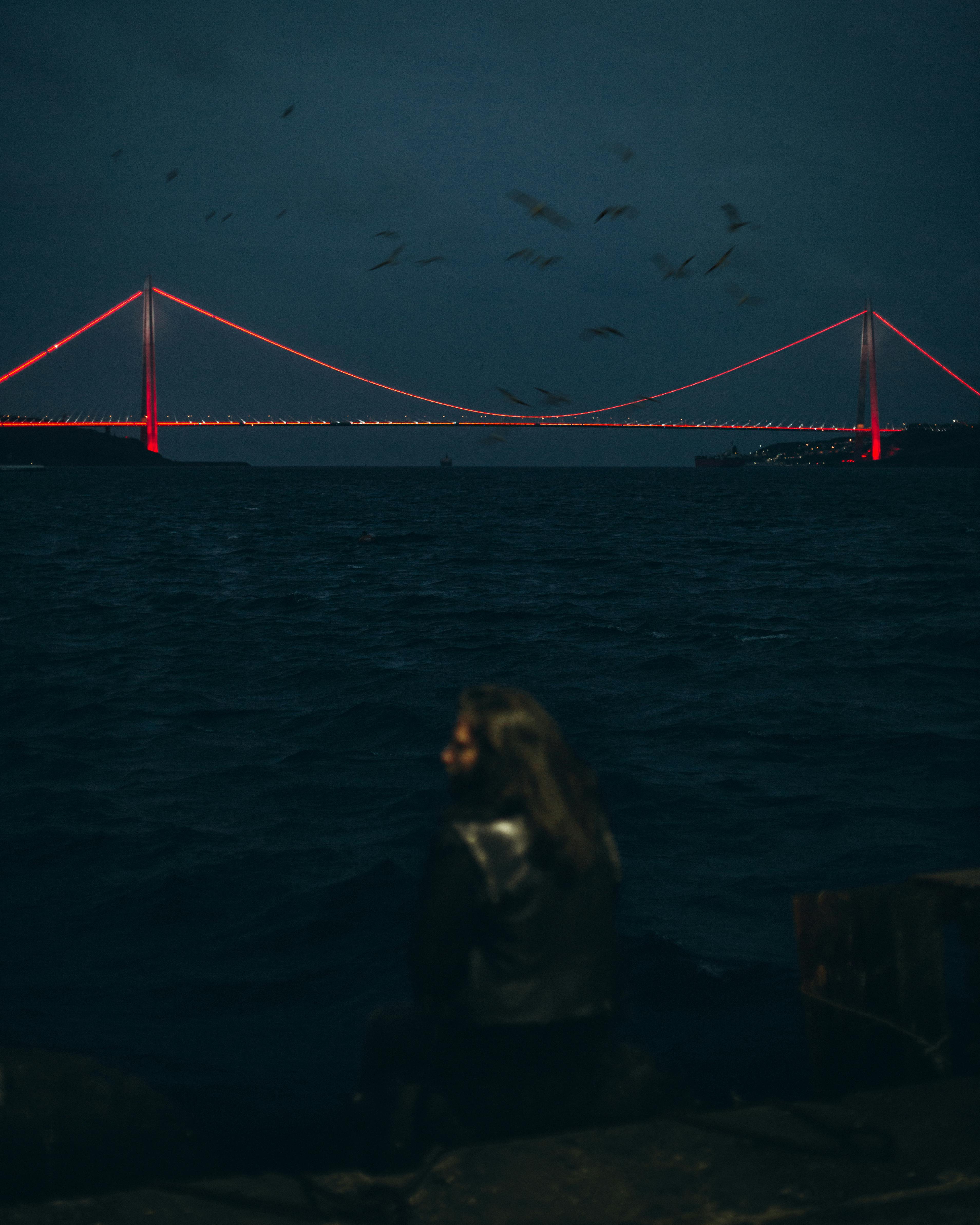
Pakistan is trying to be the bridge. But being a bridge means being walked on from both directions. It requires a structural integrity that is being tested to its absolute limit. The mission was about more than just preventing a war; it was about preserving a future where a middle-tier power isn't forced to choose between its neighbor and its benefactor.
The meetings have ended. The officials have returned. The official statements speak of "mutual respect" and "regional peace." But the real story is written in the silence that follows. It is in the hope that for one more season, the shadow of a larger conflict stays just over the horizon, leaving the people on the ground enough light to find their way home.
The lights in the Prime Minister’s office stay on late into the night. Outside, the city hums with the sound of millions of lives that depend on the success of a gamble they never asked to take. The tightrope is still there. It is thin, it is high, and the wind is picking up.