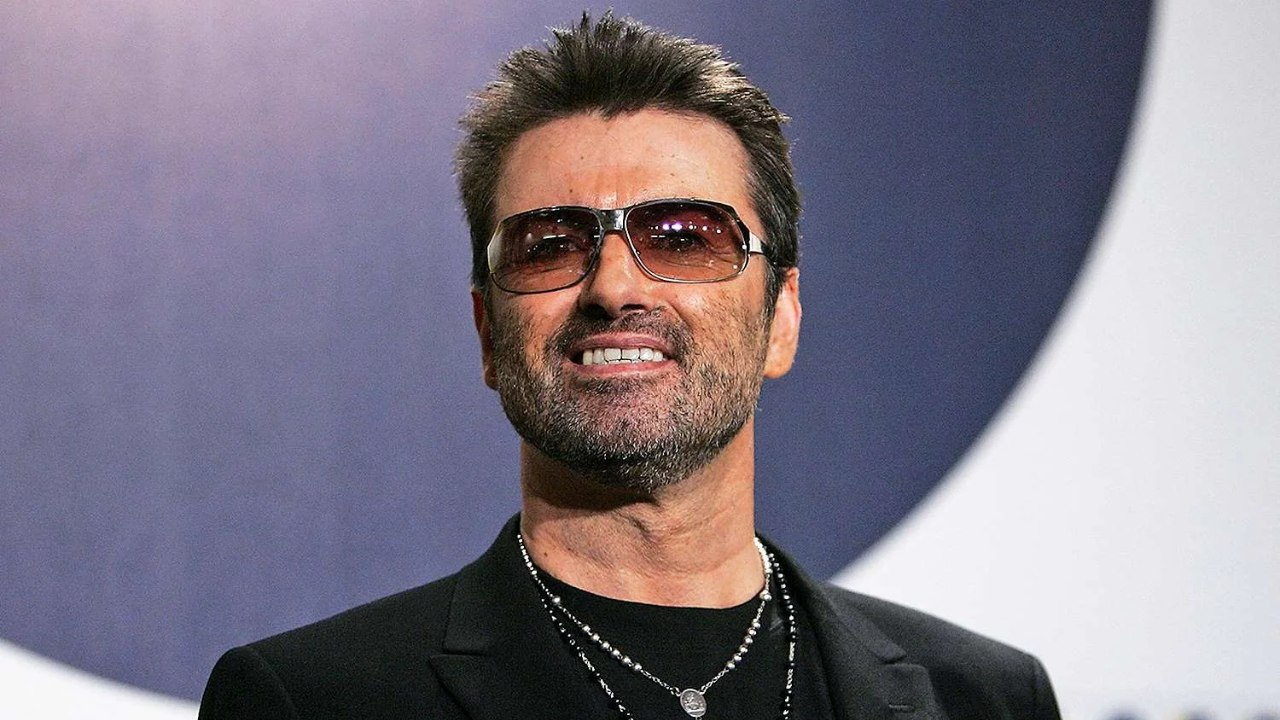
Timothée Chalamet pranking Rylan Clark during a fake press junket sounds like pure showbiz fluff. On the surface, it is. Yet that silliness helped anchor a broadcast that raised £38,720,170 by the end of the live television appeal for BBC Children in Need on Friday, November 13, 2026.
Celebrity sketches get people to stay on the sofa. Everyday grit gets them to reach for their phones. For another view, check out: this related article.
Anyone who watches annual charity telethons knows the pattern. A-list faces bring eyeballs fast, and they leave just as quickly once the credits roll. What keeps a decades-old appeal afloat isn't a Hollywood cameo on its own. It's the collision between blockbuster charm and ordinary people pushing past their limits for young people across the UK.
How Timothée Chalamet and Dune Stars Worked the Room
In the run-up to the 2026 broadcast, BBC Children in Need rolled out a pre-recorded comedy bit featuring Timothée Chalamet alongside Dune: Part Three co-stars Zendaya, Jason Momoa, and Anya Taylor-Joy. Instead of a standard promotional chat, the cast set up Rylan Clark with escalating weirdness. Further insight regarding this has been provided by BBC.
Zendaya kept getting Clark's name wrong. Chalamet repeated handshakes, told Clark he was distracted by his teeth, and stroked his beard. Taylor-Joy dropped into random meditation, Momoa wandered off set more than once, and the whole thing ended with spontaneous dancing and three hidden young helpers behind the scenes before the gag was revealed. Earlier in the night, Mel Giedroyc's mispronunciation of Chalamet's name turned into a running joke.
Honestly, that kind of low-stakes absurdity does real work in a three-hour live broadcast. Heavy stories about childhood poverty, family strain, and mental health matter deeply, and BBC Children in Need puts young people's real experiences front and center. Still, viewers can burn out if the tone stays unrelentingly grim for three straight hours. A silly prank gives audiences a breather so they stay tuned for the grants and personal stories that follow.
Let's be clear about what celebrity appearances actually buy a charity. They buy attention and shareability. Short clips circulate on social media, pulling in younger viewers who might not normally sit through live Friday-night television on BBC One and BBC iPlayer. What they don't automatically buy is sustained, grassroots fundraising—unless the show connects that star power back to real people doing hard things.
The Real Fundraising Engine Behind the Telethon
While Hollywood stars played pranks, endurance challenges did heavy lifting on the scoreboard. BBC Radio 2 presenter Owain Wyn Evans took on a grueling five-day cycle ride covering nearly 400 miles across Scotland, Northern Ireland, England, and Wales, building on a multi-year Radio 2 tradition of punishing physical challenges after Sara Cox and Paddy McGuinness. By the night of the appeal, his ride had brought in £4,760,086.
You don't fake 400 miles on a bike in November. You either pedaled through the wind and rain or you didn't.
That contrast matters. Viewers respond to effort they can measure. When Evans called it the hardest challenge of his life, people didn't treat it like a red-carpet photo op. They donated because the discomfort was real and visible.
Just as important were the young fundraisers featured under the Challenge Yourself 2026 campaign. Ana, 16, took on a three-day kayaking challenge while living with a rare physical condition. Harri, 22, who lives with hidden lasting effects from a brain tumour, joined Wyn Evans for the final leg in Wales. Alongside dancing, cycling, and kayaking efforts across the country, those stories flip the usual charity script. Young people aren't just passive recipients of pity; they're active participants raising funds and shaping the conversation.
Where the Money Actually Goes and What the Numbers Show
BBC Children in Need supports more than 1,600 local charities and projects working with children and young people across the United Kingdom. Rather than running one giant centralized facility, the charity channels funds into community-level services tackling issues like poverty, mental health struggles, and family difficulties.
There's a nuance here that casual viewers often miss. The £38,720,170 announced near the end of the November 13, 2026 broadcast wasn't a locked-in final tally; donations stayed open after the show went off air, and last year's appeal had raised more than £45 million. Comparing a live-show total to a full final number isn't apples-to-apples, and year-over-year totals naturally fluctuate with economic pressure, timing, and campaign mechanics.
Still, raising nearly £39 million by the end of a single broadcast night is no small feat. Even when headline totals shift from one year to the next, the underlying model relies on thousands of small and medium donations—school bake sales, community runs, workplace dress-down days, and individual challenges—stacking up alongside big marquee efforts.
Why Some People Roll Their Eyes at Celebrity Charity Nights
Not everyone cheers when a blockbuster cast shows up for a telethon. Critics regularly point out a fair tension: high-profile appearances can sometimes feel like cross-promotion timed neatly around major film releases or network lineups. With Dune: Part Three starring major draw names, skepticism is practically baked into modern pop culture.
There's also a broader debate in charity circles about spectacle versus steady funding. Big televised appeals create a huge spike in awareness once a year, yet local youth services need predictable support year-round. A flashy sketch won't fix systemic child poverty or replace long-term public and philanthropic backing on its own.
That criticism isn't crazy, and ignoring it makes coverage sound like a press release. A fair take recognizes both sides. Celebrity sketches can feel slightly commercial, yes. At the same time, if a four-minute prank gets someone to donate £20 or share a donation link with friends who otherwise wouldn't watch, the practical benefit to local projects is still real.
Common Mistakes People Make When Trying to Fundraise Like a Pro
Anyone inspired by a big charity broadcast to run their own fundraiser usually hits the same predictable snags.
- Waiting until the last week to ask: People get nervous asking friends and coworkers for money, so they post a link once right before the deadline. Good fundraisers build momentum early and share brief progress updates along the way.
- Picking a vague goal instead of a concrete challenge: "Donate to help kids" is easy to scroll past. "I'm cycling 50 miles this month" or "I'm running a 10K every Sunday in December" gives people a clear reason to cheer you on and chip in.
- Treating one-off stunts as the whole plan: Big spikes feel great, yet steady habits keep energy alive. Even small recurring actions—like setting aside a set amount from each paycheck or hosting a monthly neighborhood swap—often outlast one-day bursts.
- Forgetting to check employer matching: Many companies match employee charitable donations up to a set cap. Plenty of people leave free matching funds on the table simply because they never check their HR benefits portal.
Practical Next Steps If You Want to Get Involved
If you want to do more than watch a highlight clip and move on, start small and keep it concrete:
- Pick a specific personal challenge: Choose something tied to your real schedule and fitness level—walking a set distance, learning a skill, or cutting an expense and routing the savings toward a cause.
- Verify the charity's registration and grant focus: Look directly at official charity pages, such as BBC Children in Need, to see how funds are distributed and which local projects or themes match what you care about.
- Check for workplace matching: Ask your employer whether they offer dollar-for-dollar matching or payroll giving before you submit your own donation.
- Share a clear story, not just a link: Tell people why you picked your challenge and what it takes out of you—real effort travels much farther than a generic repost.