Your teeth are slowly dissolving, and modern dentistry can't actually fix it. Once you lose your tooth enamel, it's gone for good. Your dentist will tell you that fluoride toothpastes and special mouthwashes can slow down the decay, but they only patch the problem rather than regrowing what you lost. That hard, protective outer shell doesn't grow back naturally because adult enamel lacks living cells.
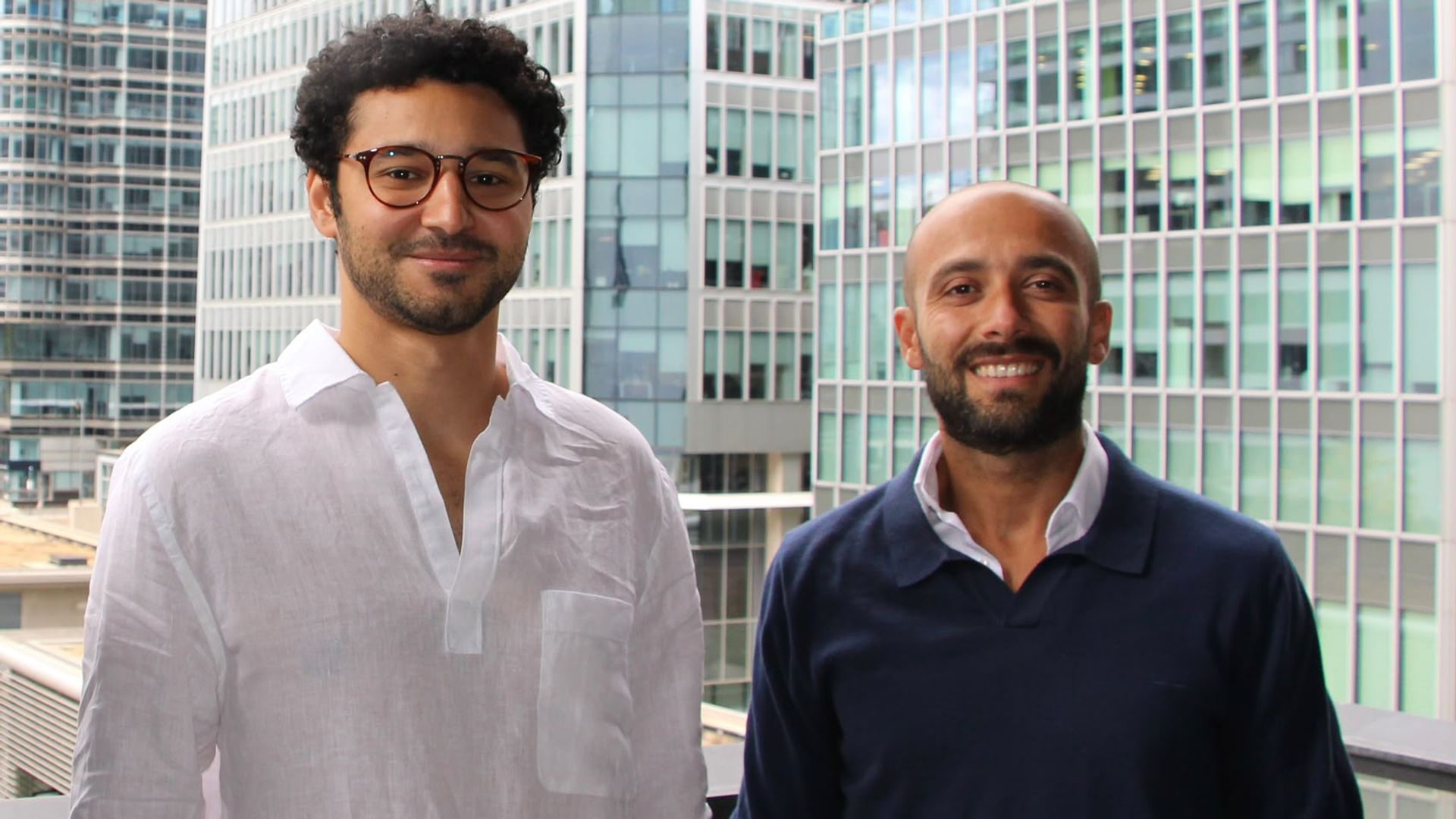
Venture capitalists are suddenly throwing millions at this exact biological bottleneck. Eterna Regeneratives, a spinout from King's College London, just secured a three million pound seed round totaling four million dollars. The round was jointly led by Hoxton Ventures—known for spotting early winners like Deliveroo and Darktrace—alongside The Venture Collective. They aren't funding another slick software app. They are betting big on wool and hair.
The Science of Regrowing What You Lost
How do you turn sheep wool into dental repair? It sounds like a bizarre folk remedy, but the chemistry is surprisingly rigorous. Eterna uses keratin derived from sheep wool and human hair to build a regenerative biomaterials platform. Keratin acts as a biomimetic scaffold. When applied to eroded teeth, this protein structure attracts calcium and phosphate ions straight from saliva, mineralizing them into actual apatite crystals that bind to the tooth surface.
Co-founder and Chief Scientific Officer Dr. Sherif Elsharkawy spent years studying how proteins mediate biomineralization. Instead of relying on passive mineral absorption, the keratin acts as an active template. It guides the ions to form a structured layer that mimics natural enamel rather than a chalky surface crust.
The global oral care market sits around forty-three billion dollars. Most products in that massive aisle operate on damage control. They mask sensitivity with potassium nitrate or harden existing enamel with fluoride ions, hoping to fend off acid attacks for a few more months. Eterna's approach targets the root failure. If you can put a keratin-infused paste on your bathroom shelf that actually lays down new mineralized layers overnight, the entire toothpaste industry has to rewrite its playbook.
Beyond the Bathroom Sink
Venture capital firms don't write multi-million-dollar checks for toothpaste alone. The real prize hiding behind this seed round is regenerative medicine.
Hussein Kanji, a founding partner at Hoxton Ventures, pointed out that the underlying science offers a capital-efficient route to market through oral care before expanding into heavier medical applications. The same keratin scaffold technology that rebuilds a microscopic crack in your molar can theoretically be adapted for bone repair and tissue regeneration.
Earlier this year, research teams highlighted how wool-derived keratin membranes can support guided bone regeneration in animal models. If a startup can prove its biomaterials work safely inside the harsh, bacteria-laden environment of the human mouth, scaling those same materials to mend bone defects or support dental implants becomes an easier regulatory climb. Medical grade scaffolds are notoriously expensive to manufacture from human collagen or synthetic polymers. Sheep wool, by contrast, is an abundant, cheap agricultural byproduct loaded with tough, fibrous structural proteins.
What Stands in the Way
Real science comes with real hurdles, and biotech startups love to oversell their timelines. Co-founder and Chief Executive Officer Khaled Eissa emphasizes scalability, but turning a brilliant academic paper into a tube of paste sitting on a pharmacy shelf requires jumping through rigorous safety hoops.
Toothpaste additives must withstand extreme chemical stability tests, regulatory approvals from health authorities, and rigorous clinical validation to prove they don't cause adverse immune responses or gum irritation. While the founders hint at commercial products arriving rapidly, biological translation always takes longer than the pitch deck suggests. Long-term safety data on daily keratin exposure inside the oral microbiome remains sparse, and investors are placing a speculative bet on unproven human clinical outcomes.
Even with those risks, the shift in investor mindset is clear. Funding is drying up for software clones and moving toward deep tech startups that fix physical decay. When venture capitalists who backed food delivery giants and cyber security heavyweights start funding wool-based dental proteins, pay attention. We are watching the messy transition from symptom management to actual biological repair.