The modern NBA press conference is a theater of the absurd. Teams spend millions on public relations apparatuses designed specifically to say absolutely nothing. When the Toronto Raptors recently teased a press conference with a "special guest," the basketball media apparatus dutifully fell into line. Reporters speculated, fans refreshed their feeds, and the collective basketball ecosystem prepared itself for a monumental announcement.
Then came the reality. It was a carefully staged corporate pep rally masquerading as a strategic pivot.
Most sports media coverage of these events falls into a predictable trap. Outlets report the quotes verbatim, praise the vague notions of "building for the future," and evaluate the optics of the podium. They validate the lazy consensus that PR stunts equal progress. Having spent over a decade analyzing front-office mechanics and asset management in professional sports, I know exactly what these spectacles are designed to hide. This wasn't a celebration of a new era. It was a calculated distraction from a fundamentally flawed team-building strategy.
The Special Guest Distraction Technique
Front offices use "special guests" and surprise announcements for one primary reason: to change the narrative when the product on the court cannot speak for itself.
When a franchise is winning, they don't need to manufacture mystery. The wins do the talking. The Larry O'Brien trophy doesn't require a teaser campaign. But when a team is stuck in the muddy middle of the NBA—not bad enough to secure a top-three draft pick, yet nowhere near good enough to contend for a championship—the marketing department has to work overtime.
The lazy consensus among sports journalists is that these press conferences are a sign of organizational health and transparency. They claim it shows a front office that is engaged with the fan base.
That is complete nonsense.
It is a classic diversionary tactic. By centering the media availability around a surprise element or a sentimental figure, management successfully shifts the conversation away from the metrics that actually matter. Instead of answering hard questions about salary cap flexibility, asset depreciation, or tactical deficiencies, the team gets forty-five minutes of soft-ball questions about "vibes" and "identity."
The Luxury Tax Trap Nobody Admits
Let's look at the cold, hard numbers that the Raptors front office didn't want to break down at the podium.
In the modern NBA, mediocrity is the most expensive mistake a franchise can make. Under the current collective bargaining agreement, the financial penalties for teams hovering around the luxury tax apron are draconian. It isn't just about the luxury tax bill that ownership has to pay; it is about the severe restrictions placed on roster construction.
Imagine a scenario where a team commits $150 million to a core group of players that projects to win exactly 41 games. You are effectively locked into a ceiling. You cannot use the mid-level exception effectively, you cannot take back more salary in trades than you send out, and your draft picks are stuck in the mid-teens—the absolute worst place to find elite, franchise-altering talent.
- The Contender Profile: Teams with a genuine superstar spend into the tax because the ROI is a championship window.
- The Rebuilding Profile: Teams at the bottom clear the books, weaponize cap space to take on bad contracts for draft assets, and maximize lottery odds.
- The Raptors Position: Caught in the dead zone, paying premium prices for a roster that requires a perfect storm just to secure a play-in spot.
By focusing the press conference on a "special guest" or a nostalgic callback, the organization successfully avoids the brutal reality of their cap sheet. They sell the illusion of a plan while actively running on a treadmill of mediocrity.
Dismantling the Myth of the Culture Reset
Every time a middle-tier NBA team hits a wall, they trot out the same tired phrase: "We are executing a culture reset."
What does that actually mean? Usually, it means they fired a coach who won them a title, traded away a fan favorite for sixty cents on the dollar, and brought in a new set of faces to preach the exact same platitudes. Culture is the ultimate shield for an executive because it cannot be quantified. You can't track "culture" on a spreadsheet, which means you can't be fired when it fails to produce wins.
Let's address the flawed premise that dominates the "People Also Ask" columns regarding team rebuilding:
Question: Can a team build a championship culture without tanking for superstar talent?
The Brutal Reality: No. With exceptionally rare exceptions like the 2004 Detroit Pistons, every single NBA champion in the modern era has featured a top-five player in the league. You do not draft top-five players at pick number 14. You do not sign top-five players in free agency unless you are located in Los Angeles or Miami. The only way to get them is to draft them at the very top, or trade an absolute mountain of assets for them.
Pretending that a "culture reset" or a new leadership voice at a press conference can bridge the massive talent gap between a play-in team and the Boston Celtics is an insult to the intelligence of the fan base. It is a corporate slogan designed to sell season tickets, not win playoff series.
The Danger of Nostalgia Marketing
The biggest risk in the Raptors' current trajectory is the reliance on nostalgia to sustain fan engagement. When you don't have a championship product today, you sell the championship of yesterday.
I have seen franchises burn through five-year windows by refusing to let go of the past. They overpay aging veterans because of what they did three years ago. They keep executives in power long after their strategic advantages have been figured out by the rest of the league.
The downside to my contrarian approach is obvious: it is incredibly painful for a fan base to accept. It means admitting that the current core is a dead end. It means trading away players people love for future draft picks that might not pan out for half a decade. It means enduring two or three seasons of unwatchable, 20-win basketball.
But look at the alternative. Look at the teams that refused to tear it down. They spend a decade floating between the 8th and 11th seed, paying the luxury tax, picking 13th in the draft, and watching real contenders pass them by.
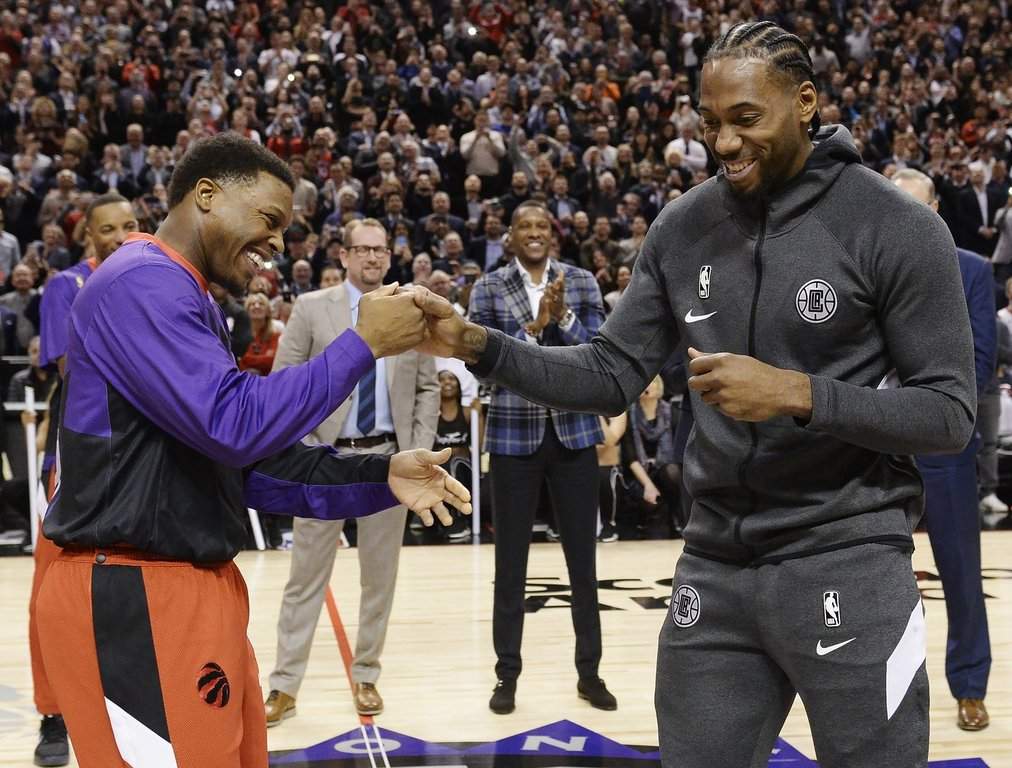
The Toronto organization achieved the ultimate goal in 2019 through a ruthless, cold-blooded trade for Kawhi Leonard. It was a move that discarded sentimentality in favor of elite talent. That is the exact mindset that won them a ring, and it is the exact mindset they have seemingly abandoned in favor of press conference gimmicks and corporate branding.
Stop buying into the theater of the podium. Stop analyzing the body language of special guests and evaluating the tone of management's answers. The only press conference that matters is the one where a team either hoists a trophy or admits they are tearing down a broken house to lay a real foundation. Anything else is just noise designed to keep you buying jerseys while the franchise spins its wheels.
Trade the assets. Clear the ledger. Accept the short-term pain. Anything less is a corporate lie.