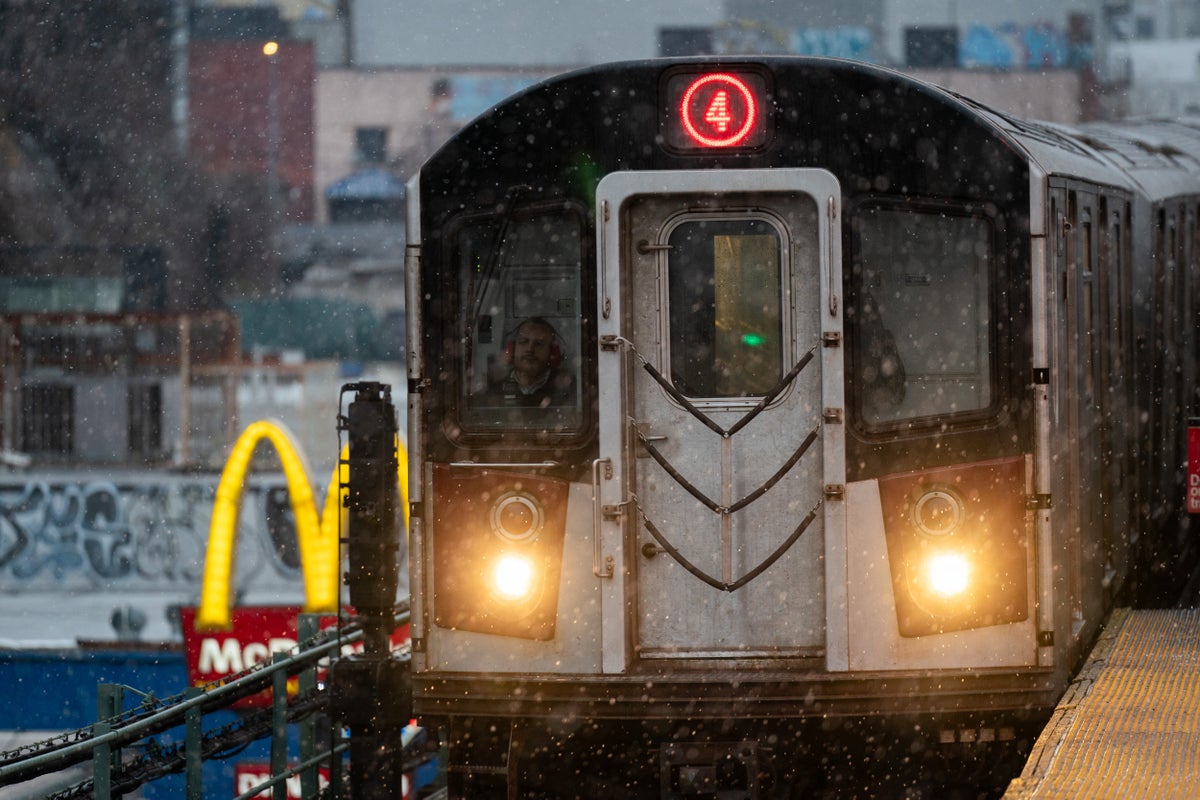
Tragedy struck the transit system when two young college friends lost their lives in a horrifying accident. They apparently failed to realize a New York City subway train was barreling toward them. At just twenty-four years old, their futures vanished in a split second on the rails. Incidents like this shake communities to the core and force a brutal conversation about urban infrastructure, platform safety, and rider awareness.
The victims were navigating a transit network that moves millions daily. Yet, the physical environment of older stations leaves little margin for error. When you step onto a platform, you enter a high-stakes zone. Noise bounces off tile walls, lights flicker, and the sheer mechanical roar of an incoming train can disorient even seasoned commuters. Understanding how these horrific accidents happen requires looking past the immediate shock and examining the structural vulnerabilities of urban transit systems.
The Reality of Subway Platform Hazards
Urban rail networks operate on tight schedules with aging infrastructure. Many stations across the metropolitan transit grid lack modern physical barriers. Platform screen doors remain standard in automated transit systems worldwide, yet older legacy systems still rely entirely on human vigilance and yellow warning strips.
Consider the sensory overload of a busy transit hub. Trains generate immense wind pressure and deafening acoustic reverberation before they ever cross into the visual field. If two people were distracted, talking, or misjudging the distance to the track edge, the warning signs can blur together. Distraction isn't a moral failing. It's a human reality in a hyper-connected age where smartphones command our visual attention.
When you combine reduced situational awareness with lack of physical edge protection, disaster becomes a matter of probability rather than possibility. Transit authorities face immense pressure to upgrade signaling and rolling stock. However, capital improvements on century-old rail lines move at a glacial pace.
Why Awareness Campaigns Fall Short
For decades, transit authorities relied on public service announcements reminding riders to stand behind the yellow line. Posters line station walls and voice prompts echo through speakers. Yet, passive signage fails when human behavior diverges from the ideal.
People run for trains. People look down at navigation apps. People experience medical episodes or disorientation in crowded environments. Relying solely on the victim-blaming narrative of being careless ignores the design flaws inherent in open-platform layouts. If a system allows a fatal fall or a misstep to end in death, the system itself demands redesign.
Cities with modern subway expansions routinely install floor-to-ceiling glass barriers with synchronized sliding doors. These eliminate accidental falls and intentional tracks incursions alike. Retrofitting older stations costs billions, but tragedies like the loss of these two young friends prove that inaction carries an even higher human toll.
What Urban Transit Must Fix Now
Fixing transit safety requires a multi-pronged approach that moves beyond simple warnings.
- Accelerating platform screen door pilot programs across high-volume stations.
- Upgrading edge-lighting systems with high-visibility, dynamic LED warnings that flash when a train approaches outside visual range.
- Improving acoustic dampening and platform design to reduce disorientation caused by incoming train pressure waves.
We cannot accept preventable deaths as the cost of doing business in a major metropolis. Friends should not have to mourn lives cut short by a missing physical barrier or a confusing station layout. Demand better infrastructure, stay alert when you ride the rails, and push local leaders to prioritize passenger safety over delayed capital budgets.