Construction has officially resumed on the stage for Shakira’s upcoming Brazil concert after a fatal accident brought work to a grinding halt. When a worker loses their life on a high-profile job site, the industry usually goes quiet. They hide behind legal statements. They talk about "safety protocols" in the most clinical way possible. It’s frustrating. People want to know how a celebration of music can happen on the same ground where a tragedy just occurred.
The incident happened at the MorumBIS stadium in São Paulo. A technician fell while working on the massive steel structure that was being prepped for the Latin pop star's "Las Mujeres Ya No Lloran World Tour." Work stopped instantly. It had to. Brazilian authorities and labor inspectors descended on the site to determine if this was a freak accident or a systemic failure in safety management. Now that the hammers are swinging again, we need to look at what changed and whether "the show must go on" is actually the right call.
Why the Shakira Stage Construction in Brazil Faced a Hard Stop
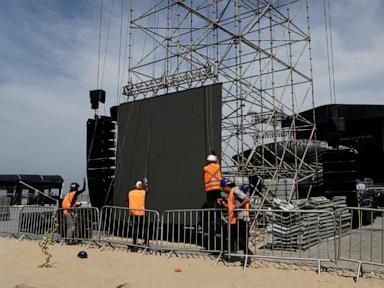
When you see a stage as complex as the one Shakira uses, you're looking at hundreds of tons of equipment. It’s a vertical construction site. Workers are often suspended 60 to 80 feet in the air, maneuvering heavy LED panels and sound arrays. In the São Paulo incident, the fall was fatal. This triggered an immediate investigation by the Regional Labor Superintendency.
Work didn't just stop because of respect. It stopped because, under Brazilian law, a site can be shuttered if there's an "imminent risk" to other workers. Inspectors spent days checking harnesses, checking the integrity of the scaffolding, and verifying that the subcontracted companies were following the Regulatory Norms (NRs) specific to work at heights.
You’ve got to wonder about the pressure these crews are under. Shakira’s tour schedule is tight. The logistics of moving a production of this scale across South America are a nightmare. When a deadline is looming and millions of dollars in ticket sales are on the line, corners sometimes get rounded. I'm not saying that happened here, but it's the elephant in the room every time a stadium show is being built.
Safety Standards Under the Microscope
The resumption of work means the authorities are satisfied—or at least satisfied enough to let the project move forward. But what does that actually look like? Usually, it involves a "rectification plan." The promoters, Live Nation Brazil, and the stadium management had to prove that every single person on that site was retrained or that the specific equipment involved in the fall was replaced or fixed.
There’s a massive difference between having a safety manual and actually following it when it’s 2:00 AM and you’re behind schedule. Here is what usually goes wrong in these scenarios:
- Communication Gaps: The person at the top of the rigging might not hear the warning from the person on the ground.
- Equipment Fatigue: Touring gear takes a beating. If a carabiner or a cable hasn't been inspected after the last ten cities, it’s a ticking time bomb.
- Fatigue: This is the big one. These crews work 14-hour shifts. When you’re tired, you forget to clip in. You miss a step.
In Brazil, the N-35 standard is the law of the land for height work. It requires specific medical exams and rigorous training. The investigation into the MorumBIS accident focused heavily on whether the deceased worker had the proper certifications and whether the safety equipment provided was actually functional. If the work is starting again, it implies the company has met the minimum legal threshold to continue.
The Moral Complexity of Continuing the Show
Shakira is known for her high-energy, technically demanding performances. Her stages aren't just platforms; they’re machines. They have lifts, pyrotechnics, and moving parts. Knowing that someone died building that machine casts a shadow over the event. Fans are divided. Some think the concert should be postponed as a mark of respect. Others argue that the best way to honor a worker’s legacy is to finish the job they started.
It's a tough spot for the artist, too. Usually, the performer isn't involved in the day-to-day logistics of the stage build. They hire a production company, who hires a local promoter, who hires a local rigging firm. By the time you get to the person holding the wrench, there are four layers of corporate insulation. But when the news breaks, it’s Shakira’s name in the headline.
This isn't the first time the live music industry has faced this. We saw it with Radiohead in Toronto and Madonna in Marseille. Every time, the industry promises to do better. Every time, we see a temporary spike in safety audits, and then things slowly drift back to "business as usual" because the margins in the concert business are razor-thin.
What Happens Now for the Fans and the Crew
The concert is still on track. The structural work is being fast-tracked to make up for the lost days during the investigation. If you're attending, you probably won't see any sign of the tragedy. The stage will look perfect. The lights will be blinding.
But for the crew behind the scenes, the vibe has shifted. There’s a psychological weight to returning to a site where a colleague died. Site managers are likely under intense scrutiny. Expect more "safety stand-downs"—those brief meetings where everyone stops to double-check their gear.
The local government will keep a shadow presence on the site until the show is over. They can't afford another incident. One death is a tragedy; two is a total shutdown of the industry in that region.
Moving Forward With Real Accountability
If you’re a fan or someone interested in the industry, don’t just look at the setlist. Look at how these companies treat their "invisible" workforce. Real safety isn't a checklist. It’s a culture. It means giving a worker the right to say "no" to a dangerous task without fearing they’ll lose their job.
If you want to support better conditions, stay informed about the labor practices of major tour promoters. Support organizations like the Event Safety Alliance. They’re the ones pushing for actual change instead of just corporate PR.
The work in Brazil is moving forward. The stage will be built. The music will play. But the cost of this particular show has already been far too high. Pay attention to the news coming out of São Paulo over the next week. If there are further delays, it might indicate that the initial "fix" wasn't as solid as the promoters claimed. Keep your eyes on the labor reports, not just the Instagram stories. Check the local São Paulo news outlets for updates on the civil investigation, as that will continue long after the tour trucks have left the stadium. Don't let the spectacle distract you from the human cost.