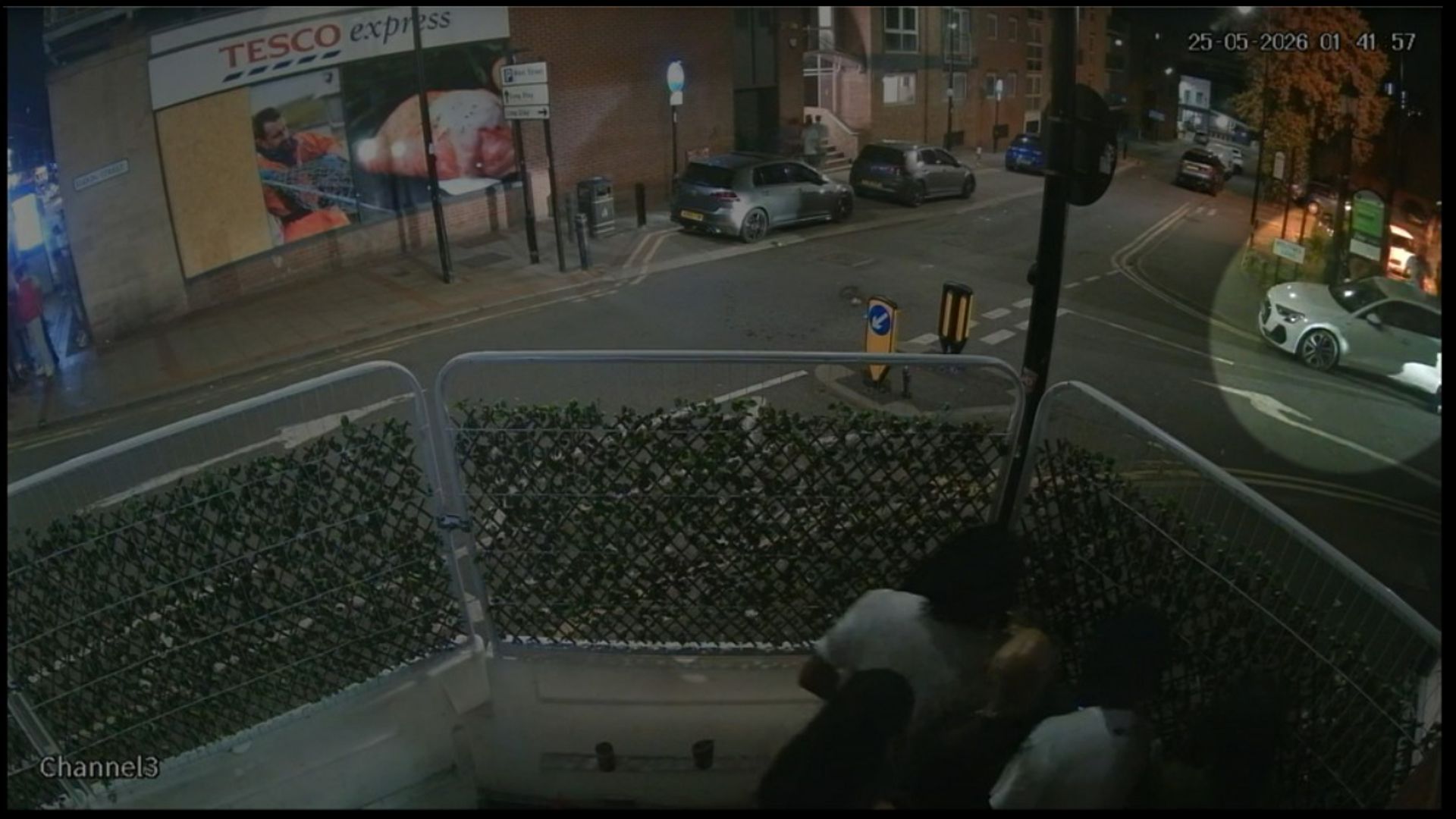
A night out should never end in a police cordon. When an innocent bystander lost her life outside a Sheffield bar, it shattered the local community and forced a harsh spotlight onto the reality of night-time economy safety. It is a devastating reminder that violence doesn't just impact those actively looking for trouble. It bleeds into the paths of completely uninvolved people who are simply trying to get home or enjoy an evening with friends.
This tragedy outside a busy venue highlights a critical failure in public space safety. People are angry. They want answers, and they want to know how the streets of South Yorkshire became a place where a random night out carries lethal risk. We need to look honestly at how these incidents escalate and what must change immediately to protect the public.
Why Innocent Bystanders Bear the Brunt of Nighttime Violence
When a fight breaks out outside a licensed venue, the danger area expands instantly. A stray punch, a weapon produced in panic, or a vehicle used recklessly changes lives in seconds. Innocent bystanders don't have the context of the dispute. They don't know who is arguing or why. They are caught completely off guard.
Data from the Office for National Statistics shows that a significant percentage of violent incidents in public spaces involve alcohol or drug fuel. This clouding of judgment turns minor altercations into fatal encounters. For a person standing nearby, there is no time to react.
Security staff often find themselves overwhelmed. Door supervisors are trained to manage crowds and remove troublemakers from inside a premises. But once a dispute spills onto the public pavement, a legal and practical grey area emerges. Who is responsible for policing the street outside the doors? The answer usually falls on overstretched police forces, but response times can mean the difference between a dispersal and a homicide.
What Most People Get Wrong About Street Safety Initiatives
Many local councils believe that installing more CCTV cameras solves the problem. It doesn't. Cameras record tragedies; they rarely prevent them in the heat of a moment. An angry or intoxicated individual isn't looking up at a camera pole before they strike.
True safety relies on active intervention and physical design. Look at how towns that successfully reduced night-time crime operate. They don't just rely on technology.
- They employ active street pastors and marshals who de-escalate tension before it turns physical.
- They enforce strict taxi-rank management so crowds don't gather in static bottlenecks for hours.
- They create physical barriers that separate pedestrian walkways from vehicular traffic and venue queues.
We also have to talk about the culture surrounding nightlife. Venues often push high-volume drink promotions that encourage rapid intoxication. When hundreds of heavily intoxicated people are ejected onto a single street at a 2:00 AM closing time, you have a recipe for disaster. The current model prioritizes profit over the safe dispersal of patrons.
Steps Communities and Venues Can Take Immediately
We cannot wait for massive policy overhauls while more families grieve. Change has to happen at the street level right now.
Venues must take absolute ownership of their immediate perimeter. This means door teams must stay active on the pavement until the immediate area clears, not just until the doors lock. Communication lines between different bars on the same street need to be instantaneous. If a group causes trouble in one venue, every other security team nearby should know before that group arrives at their doorstep.
Local authorities need to rethink licensing conditions. Staggered closing times prevent the mass exodus that floods streets with volatile crowds all at once. If everyone leaves at different times, the pressure on police resources drops significantly.
If you find yourself in an area where tension is rising, leave immediately. Do not watch. Do not film it on your phone. The crowd dynamic changes rapidly, and standing even ten feet away puts you in the direct line of fire. Your priority is to put distance between yourself and the volatility.
The loss of an innocent life on a Sheffield street is a profound failure of the systems designed to keep us safe. It requires a direct, aggressive shift in how public safety, venue management, and policing coordinate during peak weekend hours. Talk is cheap. We need fewer statements of condolence from officials and more visible, structural changes on our streets before the next weekend rush begins.