Treasury Secretary Scott Bessent rolled out what Washington is calling Operation Economic Outcast, threatening secondary sanctions on any foreign entity or nation doing business with Tehran. The lazy consensus in financial media assumes that dropping the hammer of American financial exclusion forces immediate compliance. It treats the global economy as a static spreadsheet where Washington holds every eraser.
That view ignores how financial plumbing actually adapts under extreme pressure.
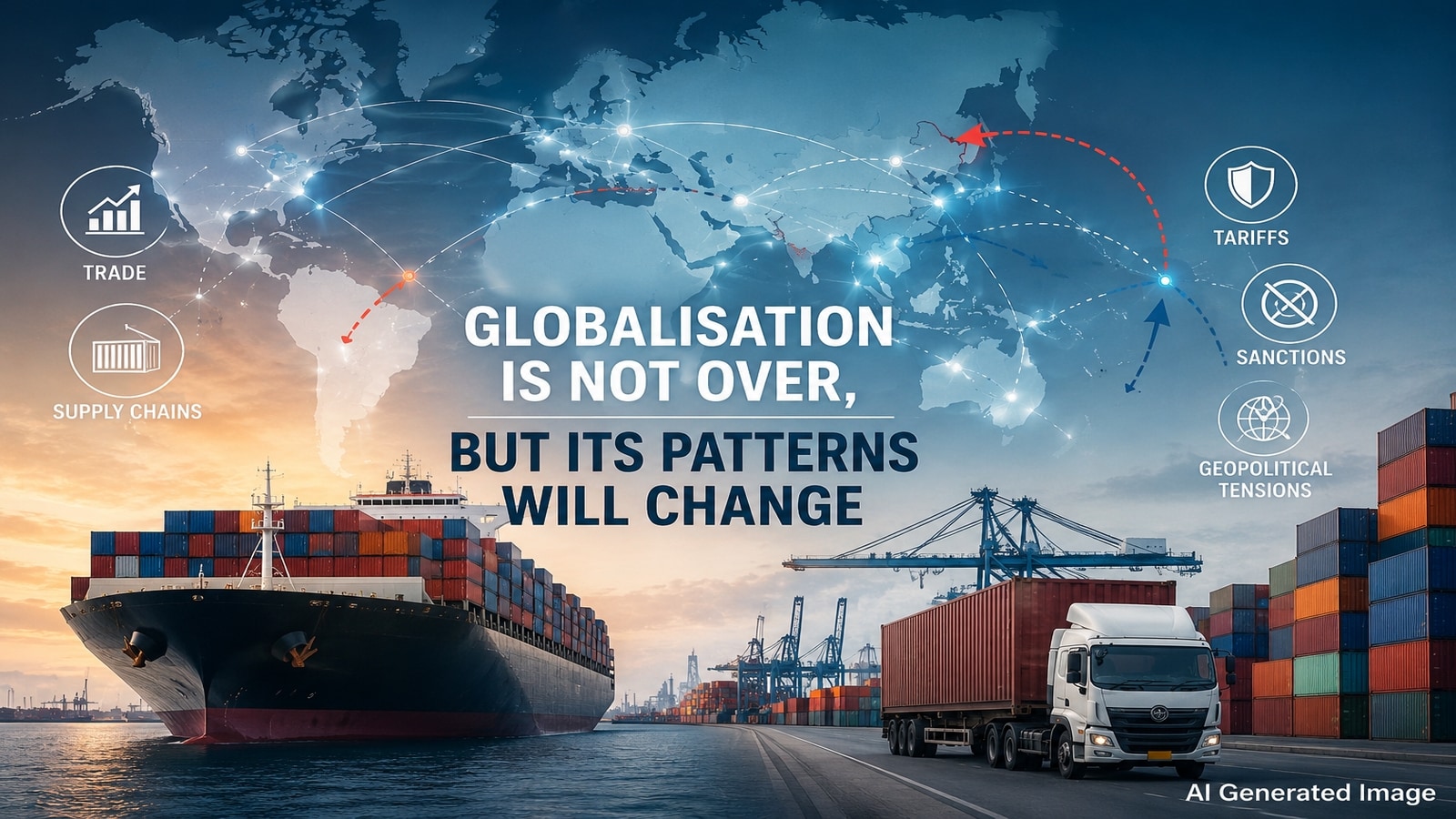
I have watched compliance departments scramble through decades of shifting regulatory regimes. When Washington threatens to lock trading partners out of the U.S. dollar system, it assumes there is no alternative architecture. That is a dangerous delusion. Heavy-handed secondary sanctions do not isolate target regimes as cleanly as press releases suggest. Instead, they accelerate the exact fragmentation Washington claims it wants to prevent.
The Illusion of Absolute Financial Hegemony
The core failure in the current strategy lies in miscalculating the elasticity of evasion. When the Treasury Department targets vital sectors like digital assets, shipping, gold, and technology, commerce does not simply evaporate. It morphs.
Imagine a scenario where a major Asian or Middle Eastern trade hub faces an ultimatum: cut all financial threads to Tehran or lose access to dollar-denominated clearing houses. On paper, the threat works instantly. In reality, it pushes sovereign entities to fast-track bilateral currency swaps, non-dollar settlement rails, and decentralized digital asset channels.
Every time Washington weaponizes the dollar too aggressively, it hands its geopolitical rivals a masterclass in risk mitigation. Major trade partners do not roll over; they diversify their sovereign reserve dependencies. They build parallel financial plumbing.
Why the Zero-Leakage Policy is a Pipe Dream
Bessent’s zero-leakage approach assumes enforcement agencies can map every shadow-fleet vessel, every hawala broker, and every crypto-enabled trade settlement. That is bureaucratic fantasy.
The global commodity market is a fluid, leaky network. Crude oil, refined products, and industrial inputs find price-clearing equilibrium regardless of regulatory blockades. When primary trade lanes close, shadow networks expand their margins. The higher the compliance risk, the higher the illicit premium. Tehran does not stop trading; it simply pays a higher transaction tax to sophisticated intermediaries operating in gray jurisdictions.
By forcing nations to choose explicitly between Washington and Tehran, U.S. policymakers misread the diplomatic cost tolerance of major economies. Nations with massive energy dependencies will quietly absorb compliance friction rather than submit to open economic coercion. They find workarounds because domestic stability trumps foreign treasury edicts.
Stop treating secondary sanctions as a magic wand. They are a blunt instrument that accelerates the erosion of the very financial dominance they weaponize.