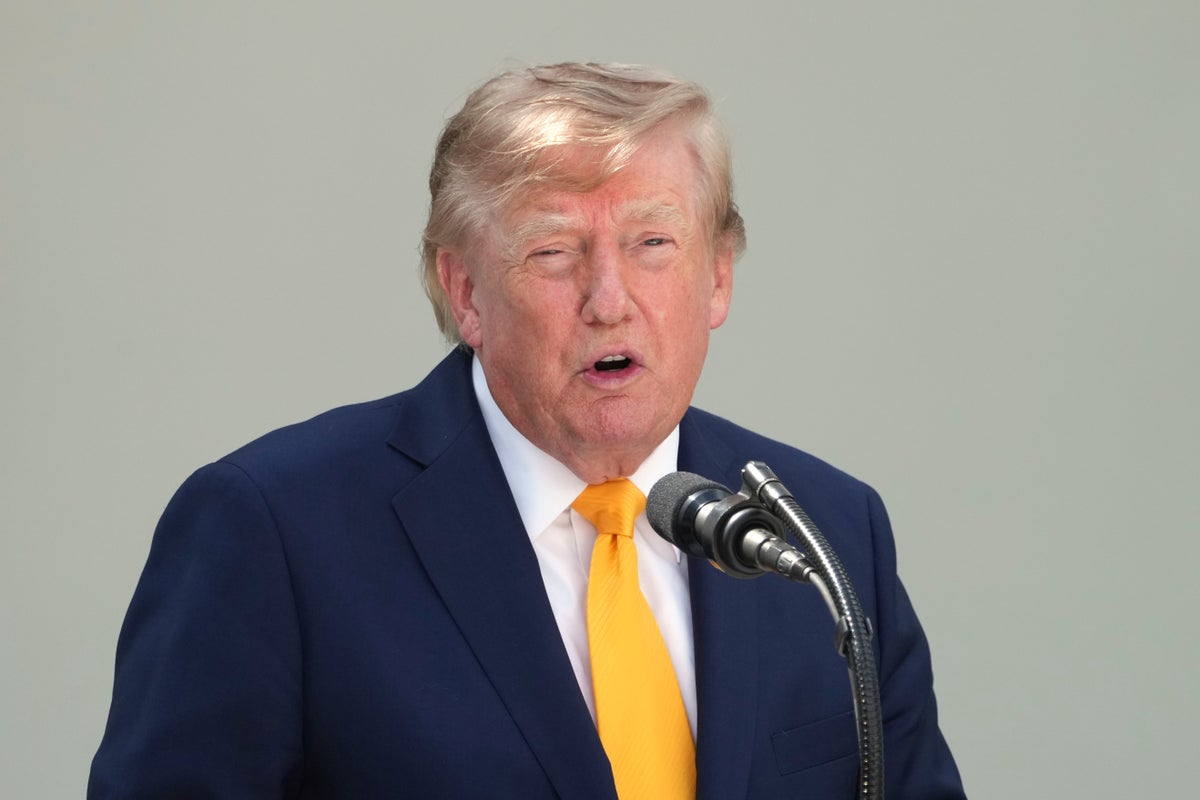
Washington loves a good political shouting match, and the latest rhetorical grenade lobbed north of the border is no exception. When political leaders label a neighbor a nightmare to deal with, the mainstream pundit class immediately screams about crumbling alliances, severed supply chains, and impending economic doom. They treat international trade like a polite cocktail party where hurt feelings ruin the evening. That perspective is entirely backward.
I have spent decades watching corporations and sovereign states negotiate high-stakes cross-border agreements, and I can tell you definitively that corporate diplomacy is not about making friends. It is about leverage, market access, and extracting concessions. When trade rhetoric turns hostile, smart capital does not panic; it looks for the structural shifts hidden beneath the noise.
The Lazy Consensus on Cross-Border Friction
The standard media narrative following trade blowups follows a predictable script. Analysts look at integrated supply chains—like the automotive sector where a single car part crosses the Detroit River multiple times before assembly—and assume that any political turbulence will grind manufacturing to a halt. They view bilateral friction as an unmitigated negative, a sign of policy failure.
This viewpoint ignores the reality of how hardball negotiation actually works in the real world.
Bilateral trade agreements between deeply integrated economies like the United States and Canada are not fragile porcelain. They are reinforced concrete wrapped in decades of domestic legal obligations, regulatory alignment, and corporate interdependency. When a politician declares a trading partner difficult, they are rarely tearing up the rulebook. They are rewriting the leverage equation.
The Mechanics of Manufactured Leverage
Look past the headlines and examine the actual mechanics of the dispute. North American trade is governed by structural frameworks that took years to design. Tariffs, quotas, and regulatory standards are not adjusted on a whim because of a bad mood. They move when one party successfully convinces the other that the status quo is politically or economically unsustainable.
By painting a partner as adversarial, a negotiator achieves three distinct objectives that polite diplomacy never can:
- Shifting Domestic Political Pressure: It forces foreign leadership to take domestic industries and lobbyists seriously, mobilizing local business coalitions to lobby their own government for compromises.
- Unsticking Stalled Regulatory Hurdles: Bureaucracies move at glacial speeds until a credible threat of disruption enters the chat. External pressure provides the political cover needed to slash outdated rules.
- Pricing in Risk Early: Markets hate uncertainty, but once a hardline stance is established, asset prices adjust rapidly. Volatility compresses into a predictable risk premium.
I have seen corporate executives spend millions lobbying for smooth, friction-free borders while quietly losing billions because their supply chains had become complacent, bloated, and inefficient. Friction forces audits. Friction forces diversification. Friction kills lazy operations.
Dismantling the Interdependence Myth
The popular counter-argument is that the United States and Canada are too economically intertwined to play rough. This is half-true and entirely misleading. Yes, millions of jobs depend on cross-border commerce. No, that does not mean either nation is trapped in a permanent state of harmonious cooperation.
Interdependence creates vulnerability, and vulnerability is currency. When a market makes up a massive percentage of an exporter's total revenue, that exporter assumes the risk of political volatility. Canadian energy, timber, and manufacturing sectors rely overwhelmingly on American consumers. Pretending that structural imbalance does not exist to preserve diplomatic decorum is economic malpractice.
When Washington applies pressure, it is exploiting that asymmetry to address long-standing grievances regarding dairy quotas, digital services taxes, and environmental regulatory discrepancies. These are not minor administrative details; they are multi-billion-dollar battlegrounds where domestic industries compete for margin.
What Smart Capital Is Doing Right Now
While retail investors and cable news anchors hyperventilate over harsh words, institutional players are positioning themselves for the structural outcomes of these negotiations.
If you are running a supply chain or allocating capital across North America, stop listening to the rhetoric and start watching the regulatory text. Hardball trade talk almost always precedes targeted exemptions, renegotiated enforcement mechanisms, or sector-specific carve-outs.
Companies that treat political tension as a permanent crisis will hedge defensively and miss out. Companies that treat it as a temporary negotiation tactic will position themselves to capture market share when the dust settles and concessions are locked into legal text.
Diplomacy is for cocktail parties. Markets are for realists. The noise is loud, but the underlying mechanics of North American trade remain entirely unchanged: leverage wins, complacency loses, and harsh words are just the cost of doing business.