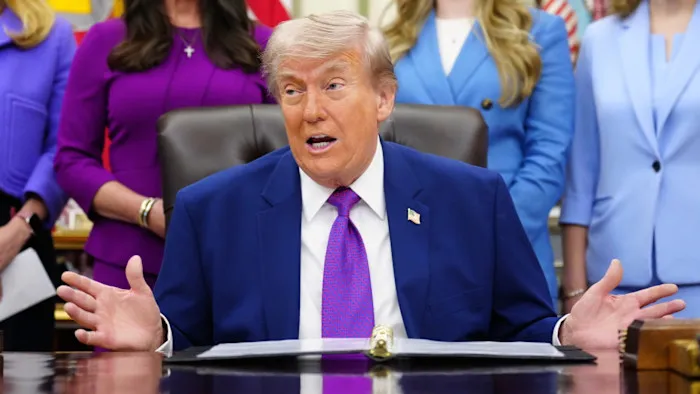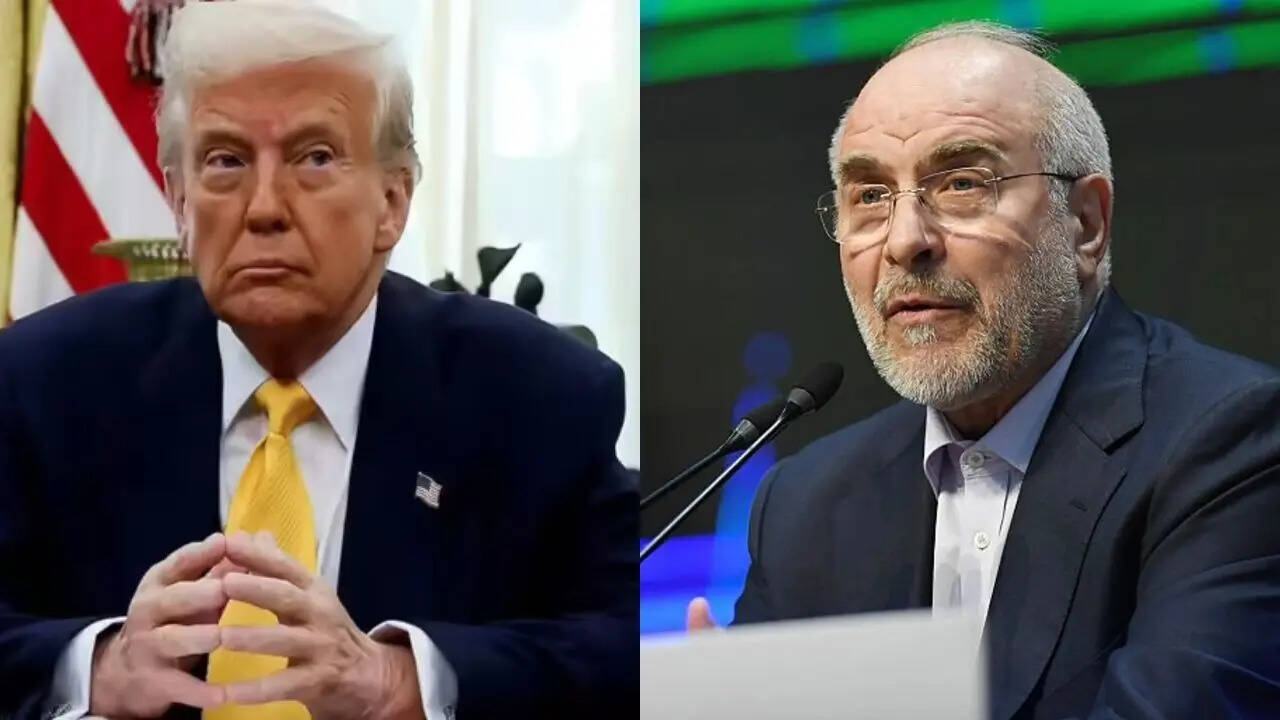
The global energy market is holding its breath while Donald Trump and Tehran's leadership get back to what they do best: aggressive posturing. After months of a shaky ceasefire that felt more like a staring contest than actual peace, the diplomatic bridge didn't just crack—it imploded. Trump recently took to Truth Social to label Iran's latest peace proposal a "piece of garbage," and Tehran fired back with a warning that it's ready to "teach a lesson" to anyone who strikes first.
If you're wondering why gas prices just jumped or why your news feed is suddenly full of warships in the Strait of Hormuz, here’s the reality. Diplomacy is currently on life support. This isn't just another round of Twitter beef; it's a fundamental breakdown between two sides that don't even agree on what the word "peace" means.
The Proposal Trump Called Total Garbage
Last Sunday, Iran sent a formal response to a U.S.-led peace framework. They used Pakistan as a middleman, which is usually how these things go when you aren't on speaking terms. Iran's demands were pretty straightforward from their perspective: they want an end to the naval blockade on their ports, the release of billions in frozen assets, and an end to the war in Lebanon.
Trump's reaction was vintage. He didn't just say no; he called the response "TOTALLY UNACCEPTABLE" and accused Iran of playing games for 50 years. The sticking point? The Iranian proposal didn't mention a single word about dismantling their nuclear program. For the Trump administration, a peace deal without nuclear concessions isn't a deal—it’s a stalling tactic.
The White House is looking for a "grand bargain" that ends the nuclear threat once and for all. Iran, meanwhile, thinks they’re being "generous" just by offering to stop the shooting. It’s a classic case of two people reading two completely different books.
Why the Strait of Hormuz is the Real Battleground
You might think this is all about missiles and drones, but it’s actually about oil. Since the war started on February 28, the Strait of Hormuz has become the world’s most expensive parking lot. Iran has restricted traffic through this narrow waterway, which happens to be the transit point for about 20% of the world's oil.
When Trump calls a proposal "garbage," the markets freak out. Gas prices in the U.S. have already surged past $4.50 a gallon. If the ceasefire fully collapses and the "shadow drone war" turns into a full-scale naval engagement, those prices won't just rise—they’ll skyrocket.
Iran knows this. It’s their biggest leverage. They’ve basically told the world: "If we can't sell our oil because of your blockade, nobody is getting their oil safely."
The Nuclear Elephant in the Room
Israeli Prime Minister Benjamin Netanyahu isn't making things any easier for the diplomats. He’s been very clear that the conflict isn't over until Iran’s enriched uranium is physically removed from the country. Iran, on the other hand, is moving in the opposite direction. The IAEA (International Atomic Energy Agency) reports that Tehran is inching closer to weapons-grade purity.
This is the "red line" that makes everything else—the maritime safety talks, the frozen assets, the Lebanese ceasefire—secondary. Trump is under intense pressure from allies like Israel to not accept anything less than a full nuclear surrender. Iran’s new leadership, under Mojtaba Khamenei, seems to have zero interest in that. They’ve issued "decisive directives" to prepare for confrontation, not a giveaway.
What Happens When Diplomacy Fails
So, where do we go from here? The "lesson" Iran keeps talking about isn't just rhetoric. They’ve been moving military assets, reportedly even parking planes on Pakistani airbases to avoid U.S. airstrikes. It’s a sign they’re dug in for a long fight.
If you’re watching this play out, don't expect a sudden breakthrough. The mediation efforts by Pakistan and Qatar are hitting a brick wall because the two main actors are incentivized to look tough for their domestic audiences. Trump needs to show his base he won't be bullied by "rogue states," and Tehran needs to show its people it won't bow to "imperialist" demands.
What you should watch for next:
- Oil Volatility: Expect gas prices to fluctuate wildly every time Trump posts a social media update.
- Drone Activity: Keep an eye on "unclaimed" drone strikes in the UAE or Kuwait. These are usually the first signs that the ceasefire is actually dead.
- The Pakistan Factor: If the U.S. starts questioning Pakistan's role as a mediator, the last remaining channel for communication might disappear.
Stay informed by checking primary sources and avoiding the sensationalist headlines that miss the underlying economic drivers of this conflict. This isn't just about a "lesson"—it's about who blinks first in the world's most dangerous game of chicken.
U.S.-Iran Conflict Explained
This video provides a concise breakdown of the latest rejection of the peace proposal and its immediate impact on global energy prices.