Don't let the sudden plunge in oil prices fool you.
When Donald Trump jumped on Truth Social to declare that negotiations to end the U.S.-Israel war with Iran are proceeding in an "orderly and constructive manner," global markets threw a party. Brent crude fell off a cliff, dropping more than 5% to hover around $97 a barrel. West Texas Intermediate followed suit, sinking past $91. Stock boards from Tokyo to Paris lit up in green, celebrating what analysts call a potential "peace dividend."
But if you think this sudden dip means a cheap summer road trip is back on the menu, you're going to be severely disappointed.
There's a massive disconnect between the electronic trading floors of Wall Street and the reality of the global energy supply chain. Traders buy and sell on headlines and raw emotion. Energy infrastructure, however, operates on physics, logistics, and physical safety. The war has jammed a massive wrench into the global oil machinery for months, and pulling it out will take much more than a tweet and a handshake.
The Illusion of the Peace Dividend
The market reacts to optics. Right now, the optics look incredibly promising.
According to regional officials, the U.S. is hammering out a deal that would require Iran to give up its stockpile of highly enriched uranium. In exchange, the critical Strait of Hormuz would reopen, ending a blockade that has effectively choked off 20% of the world’s oil trade since late February.
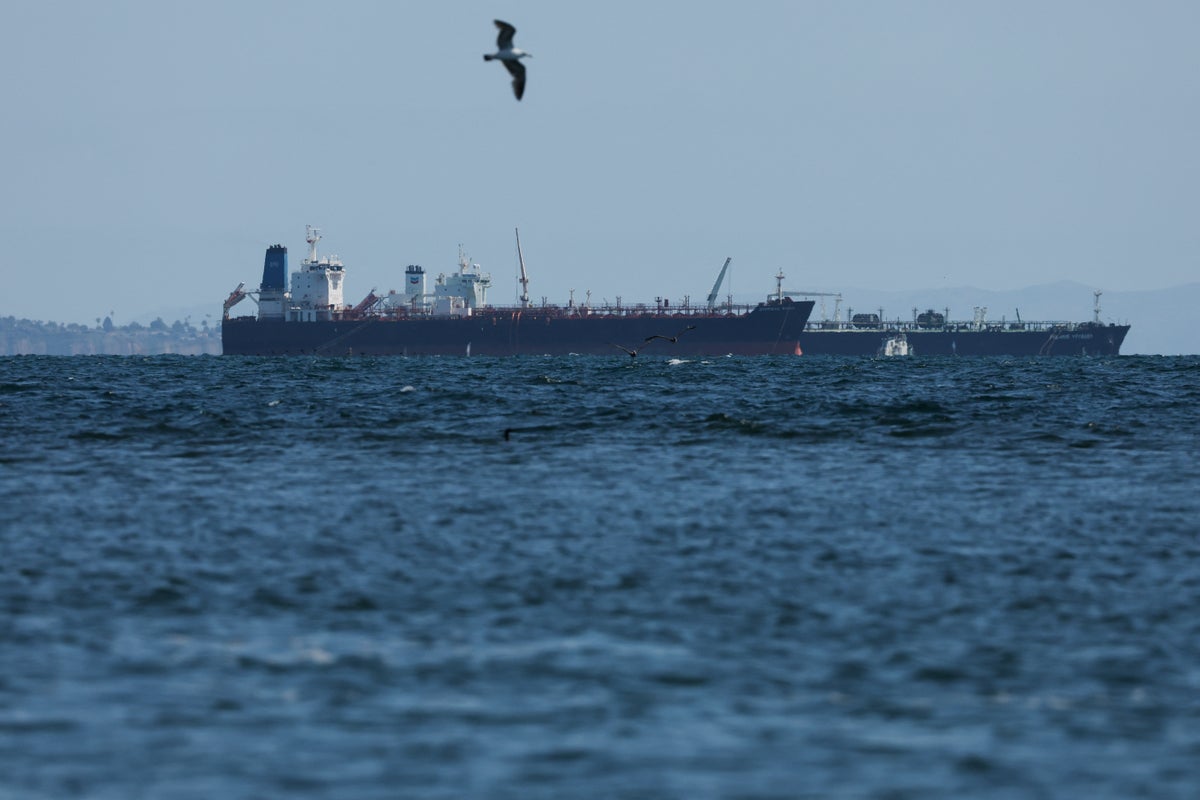
That sounds amazing on paper. Traders are already anticipating a sudden rush of roughly 100 million barrels of crude oil currently sitting stranded on stagnant tankers in the Persian Gulf. It's exactly why prices took a dive.
But look closer at Trump's actual messaging. Right after teasing the breakthrough, he noted he told officials "not to rush into a deal" and stressed that the U.S. naval blockade of Iranian ports will remain in full force until an agreement is officially certified and signed. Meanwhile, Iran's foreign ministry is giving mixed signals, stating that the two sides are simultaneously "very close and very far."
Even if Secretary of State Marco Rubio signs a piece of paper today, the physical reality of the oil market won't change overnight.
The Logistics Nightmare Hidden Inside the Strait of Hormuz
Here is what the hype squads are ignoring. The Strait of Hormuz isn't a highway toll booth that you can just flip a switch to reopen. It has been a literal active war zone for three months.
Before regular oil traffic resumes, international maritime organizations and naval forces have to ensure the waters are actually safe. That means scanning for naval mines, coordinating disrupted shipping lanes, and assessing damaged ports.
Independent energy analysts at Sparta estimate that it will take anywhere from three to six months just to return the region's shipping infrastructure to its prewar status quo. You also have to factor in the local oilfields and refineries. Turning a major production facility back online after weeks of erratic shutdowns or direct military threats isn't instant. It takes time, engineering precision, and a lot of safety checks.
- Stranded Inventory: The 100 million barrels trapped on ships will hit the market first, causing temporary price fluctuations.
- Infrastructure Damage: Unknown variables regarding Persian Gulf wells and pipeline integrity could delay stable production for months.
- Inventory Depletion: Governments worldwide have spent the last quarter draining their emergency strategic petroleum reserves to keep localized prices from breaking records. They'll need to buy up massive amounts of the initial peace oil just to restock their own shelves, keeping demand artificially high.
Why the Pump Won't Match the Pit
Retail fuel prices have an annoying habit. They go up like a rocket and come down like a feather.
The U.S. national average for a gallon of unleaded gasoline sits near $4.55. That's up a painful $1.50 from where it was before the outbreak of hostilities in February. According to chief energy analysts at Dow Jones Energy, the chances of seeing prices return to those prewar $3 levels in 2026 are practically zero.
Retail gas stations buy their fuel ahead of time. They aren't going to slash their prices at the pump by a dollar when they're still trying to recoup the losses from buying hyper-expensive wholesale inventory last week. Furthermore, diesel supplies in the U.S. have been structurally tight for years. Because diesel drives the semi-trucks that deliver your groceries and the trains that move heavy freight, localized inflation will linger long after Brent crude drops below $90.
Historically, we can look at the Russia-Ukraine energy shocks as an analog. When markets realized Russian oil didn't completely drop to zero, prices stabilized, but the structural premium remained baked into consumer goods for a generation. The war premium is sticky. It doesn't wash off easily.
What to Watch Next
Stop watching the daily market tickers. If you want to know when your actual cost of living will drop, keep your eyes on these structural milestones instead.
First, look for the official confirmation of the maritime safety clearance of the Strait of Hormuz. Until commercial insurance companies lower their war-risk premiums for oil tankers entering the Persian Gulf, shipping costs will stay inflated, keeping retail prices high.
Second, monitor domestic refinery utilization rates in the U.S. and Europe. If local refineries can't keep up with summer refining demands for gasoline and jet fuel, it won't matter how cheap crude oil is in the Middle East; the bottleneck will simply shift to Western soil.
Expect extreme volatility over the next few weeks. Keep your personal fuel budgets conservative, and don't make major financial plans based on a temporary dip in crude futures. The road back to a stabilized economy is going to be long, bumpy, and incredibly slow.
Oil prices slide on hopes of US-Iran peace deal gives a breakdown of the immediate market reaction and details the specific diplomatic hurdles still remaining between Washington and Tehran.