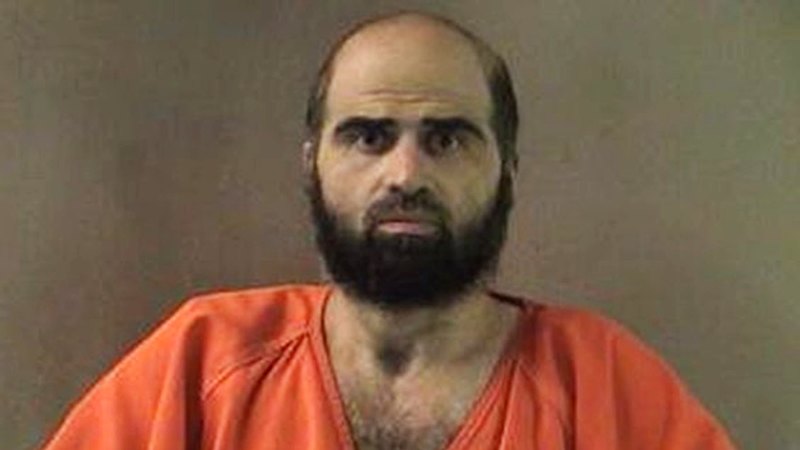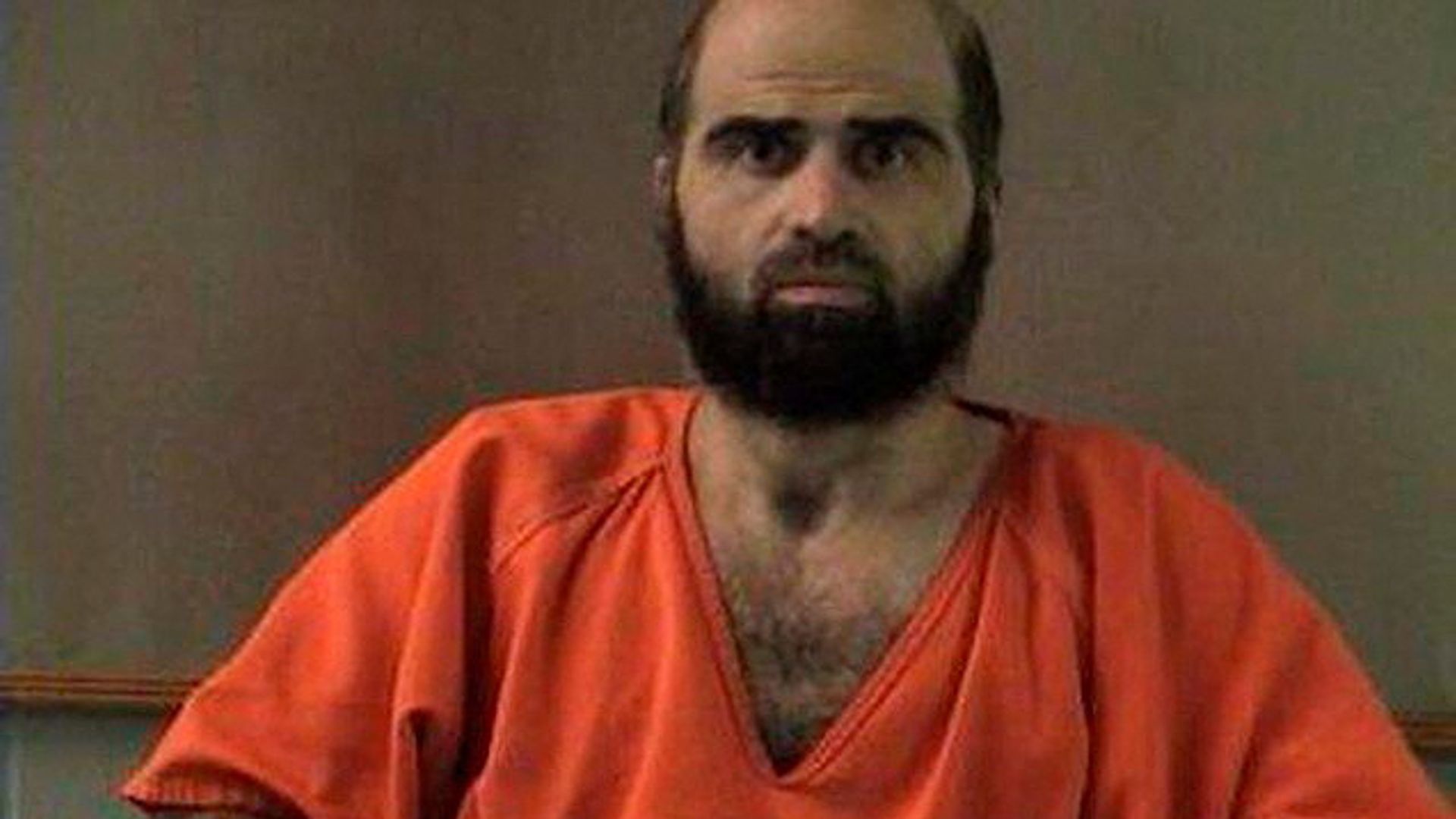
President Donald Trump pulled the plug on plans to livestream the firing squad execution of Fort Hood shooter Nidal Malik Hasan after bipartisan outrage swept Capitol Hill.
No livestream. No public broadcast.
The execution itself is still set for December 3, 2026, at Fort Hood in Texas. Trump announced on October 15 that the military won't stream the death of the former Army major who killed 13 people and wounded 32 others in the 2009 rampage, though immediate family members of the victims can watch in person if they want.
Anyone following the story over the past few weeks probably wondered whether the Pentagon would actually go through with broadcasting a state-sanctioned killing. Defense Secretary Pete Hegseth floated the idea on October 8. Within a week, the pushback got too loud to ignore.
How a Pentagon Proposal Turned Into a Political Firestorm
When Hegseth announced that the execution would be livestreamed, he framed it around visibility and accountability. Trump later said on Truth Social that he had initially wondered if streaming it might act as a deterrent to terrorists, before deciding that many well-meaning people simply don't want to watch someone die on a screen.
That reversal didn't happen in a vacuum. Critics across the political spectrum pounced on the idea almost immediately.
- Republicans pushed back hard. House Armed Services Committee member Rep. Austin Scott of Georgia backed the death penalty itself, yet argued that livestreaming executions is what jihadists do and declared America better than that. Sen. Thom Tillis of North Carolina called the plan "beyond disgusting" and compared public executions to oppressive regimes like Iran and Afghanistan. Rep. John Curtis of Utah warned that a civilization erodes when it turns executions into entertainment.
- Democrats and human rights voices piled on. Lawmakers like Rep. Yassamin Ansari slammed the proposal as authoritarian and medieval, while a spokesperson for the UN human rights office warned that broadcasting an execution would amount to a public spectacle and breach prohibitions against torture.
- Top leaders kept their distance. Vice President JD Vance—a Marine Corps veteran—told reporters he wouldn't watch the livestream and doubted it would even happen. House Speaker Mike Johnson also said he wouldn't watch and pointed to concerns from colleagues that broadcast footage could become a recruiting tool for extremists.
Reports also surfaced that Trump had second thoughts after learning Hasan has been paralyzed from the waist down since the 2009 shooting. Whatever combination of factors tipped the scale, the political math was obvious. Even among people who want harsh punishment for a mass killer, turning an execution into a livestreamed event crossed a line most Americans weren't willing to defend.
The Real Stakes Behind Livestreaming an Execution
Honestly, the fight over this firing squad execution wasn't really about whether Nidal Hasan deserved his sentence. A court-martial jury convicted him on all 42 counts in August 2013 and sentenced him to death days later, and the Supreme Court declined to review his conviction in March 2025.
The real argument was about what happens when the state puts a death on the internet.
First, there's the propaganda risk that lawmakers like Mike Johnson flagged. Extremist groups already traffic in shock imagery and martyr narratives. Handing violent networks—or copycats—footage of a U.S. military firing squad carries obvious security headaches that go far beyond simple courtroom transparency.
Second, military rules already restrict who can witness an execution. Under U.S. Army regulations governed by Army Regulation 190-55, minors under 18 aren't allowed to witness an execution. Putting a livestream on the open web makes age limits pretty much impossible to enforce in real time.
Third, public opinion data backs up how sensitive this issue is. Polling reported by TIME showed overwhelming opposition to livestreaming Hasan's execution across party lines, including majorities of Democrats, independents, and Republicans, as well as a majority of death-penalty supporters who still opposed broadcasting the event. Supporting capital punishment in principle is one thing. Treating it like a streamable broadcast is something else entirely.
Why a Military Firing Squad Is Historic on Its Own
Even without a camera feed, December 3 is a massive moment in U.S. military justice.
The U.S. armed forces haven't executed anyone since April 13, 1961, when Army Pvt. John A. Bennett was hanged after being convicted of rape and attempted murder. You have to go back even further—to World War II, in 1945—to find the last time the U.S. military carried out an execution by firing squad.
According to the Death Penalty Information Center, Hasan is one of only four people on the military's death row, and his case comes amid broader national scrutiny over how executions are carried out and whether capital punishment is fading overall. Gallup polling cited in coverage of the controversy showed support for the death penalty in the U.S. at 52% in 2025, down sharply from roughly 80% in 1994.
When a system goes 65 years without an execution, reviving it with a firing squad already draws intense legal and ethical scrutiny. Adding a livestream on top of that was basically gasoline on a spark.
What Survivors, Families, and Observers Should Watch Next
A scheduled execution date doesn't always mean the final word has been spoken. Legal analysts have noted that Hasan still retains avenues to seek habeas corpus review in civilian federal courts, which could potentially delay the December 3 date if a court intervenes.
In the Fort Hood community, preparations are already underway for the disruption around the base. Killeen Independent School District announced it will close all schools and district facilities on Thursday, December 3, anticipating heavy community activity and national media attention.
If you're tracking this story closely—whether as a legal observer, a military family member, or someone trying to separate viral rumors from official policy—focus on primary announcements from the U.S. Army and federal court dockets rather than social media clips. Check official updates on Army.mil for procedural notices, watch for any emergency federal court filings ahead of December 3, and respect the privacy of the Fort Hood victims and survivors as a painful chapter reaches a long-delayed turning point.
Trump cancels livestream of firing squad execution covers the announcement that the Pentagon will not livestream the planned firing squad execution of the Fort Hood shooter while still allowing immediate family members of the victims to attend in person.