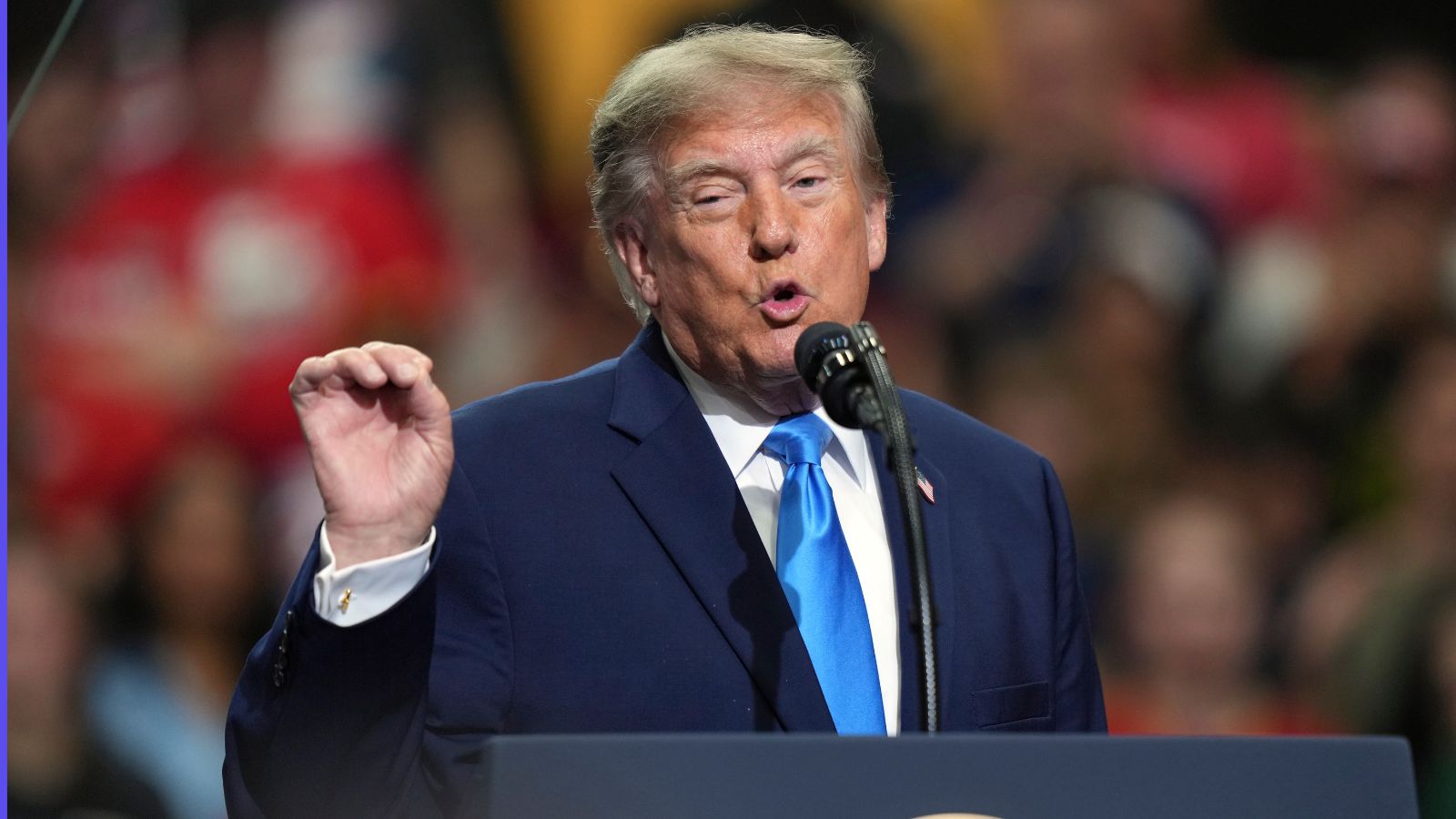
The conventional wisdom making the rounds in foreign policy circles right now is built on a comforting illusion. Pick up any mainstream wire service or cable broadcast covering the latest statements from Washington, and you will hear the exact same lazy consensus: Donald Trump claims the upcoming midterms will leave his Iran policy untouched and that the conflict will wrap up very soon, therefore we can all expect a neat, predictable conclusion to decades of hostility in the Middle East.
It is a neat narrative. It is also entirely detached from how geopolitical leverage actually works.
I have spent the better part of two decades watching foreign policy analysts mistake political posturing for structural reality. Every time an administration promises a swift resolution to a foundational security crisis, markets cheer, talking heads nod along, and actual military logisticians shake their heads. Midterms do not insulate a foreign policy agenda; they expose its fractures. And the notion that a multi-decade ideological and strategic standoff between Washington and Tehran can simply be negotiated away on an aggressive timeline ignores every hard lesson of modern statecraft.
Let us dismantle the fantasy piece by piece.
The Midterm Fallacy In Foreign Policy
The core misconception pushed by the mainstream media is that domestic political cycles exist in a vacuum separate from international deterrence. The argument goes that because a president holds executive authority over foreign engagements, legislative shifts at home carry zero weight abroad.
That is not how state power operates.
When domestic political battles intensify—particularly around congressional control—adversaries like Iran do not pause their calculations to wait for certified election returns. They do the exact opposite. They probe for weakness, exploit perceived bandwidth constraints in Washington, and accelerate asymmetric operations precisely when they believe the executive branch is distracted by domestic legislative defense.
Domestic political vulnerability invites external escalation. If a administration faces a hostile legislature or even the specter of a polarized domestic electorate, foreign capitals read that friction as an opening. The idea that midterms won't affect policy assumes foreign adversaries care about American campaign rhetoric. They do not. They care about capacity, resolve, and institutional friction. When Washington is fighting with itself over budgets, appointments, and oversight, its deterrent credibility takes a direct hit.
Why Wars Never End 'Very Soon'
Politicians love the phrase "very soon." It functions as an opiate for the public, offering a psychological escape hatch from the grim, grinding reality of protracted friction.
In real-world security dynamics, wars of choice or proxy conflicts involving entrenched regional powers do not possess an off-switch controlled by a single leader's press conference. Tehran's strategic posture is not a policy preference held by a transient cabinet; it is the foundational pillar of the regime's internal legitimacy. For the leadership in Tehran, regional resistance networks and perpetual confrontation with the West serve as the primary ideological glue holding a fractured domestic coalition together.
You do not negotiate away a regime's core survival mechanism with a quick handshake deal or a stern warning.
When leaders promise a quick end to deeply rooted geopolitical standoffs, they are confusing tactics with strategy. Sanctions pressure, naval posturing, and cyber operations are tactical tools. They apply friction, but they do not alter the adversary's existential calculus unless they induce complete structural collapse—an outcome that carries catastrophic regional contagion risks that no rational actor in Washington actually wants to manage.
The structural incentives driving Iran's regional posture remain identical regardless of who sits in the Oval Office or who controls Capitol Hill. They rely on proxy militias, ballistic missile development, and nuclear hedging because those assets provide maximum leverage against superior conventional military force. Until those structural incentives change—or until the internal cost of maintaining them becomes unsustainable for Tehran—the conflict will persist, simmering below the threshold of total war or occasionally boiling over.
The Cost Of Wishful Thinking
The danger of buying into the "quick resolution" narrative is not just that it is wrong; it is that it leads to catastrophic strategic surprise.
When decision-makers convince themselves that a crisis is wrapping up, they lower their guard. They reallocate intelligence assets, draw down regional force postures prematurely, and fail to prepare allies for sudden escalatory shocks. I have seen military planners blindsided time and again because political leadership forced them to plan for the timeline Washington wanted rather than the timeline reality dictated.
Admitting this truth is uncomfortable. It means abandoning the comforting illusion that foreign policy problems have clean, fast expiration dates if we just elect the right person or adopt the correct slogan.
Real security is maintained by preparing for protracted struggle, not by wishing it away before the next election cycle.
Stop waiting for the war to end because a politician said it would. Start preparing for the long, unglamorous reality of a stalemate that will outlast us all.



