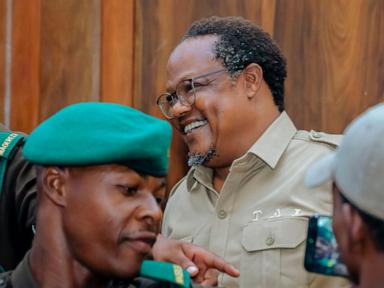
When Tanzania’s most prominent opposition figure refuses food from inside a prison cell, the whole region pays attention. Tundu Lissu, the outspoken vice chairman of the Chadema party, announced plans to launch a hunger strike after Tanzanian authorities repeatedly blocked him from meeting with his lawyers. It's a stark escalation in a political standoff that shows just how fragile democratic reforms in East Africa really are.
Let's be clear about what's happening here. Denying a detainee access to legal counsel isn't a minor clerical error or a simple scheduling mix-up. Under both Tanzania's own constitution and international human rights law, the right to consult a lawyer in private is foundational. When prison officials shut the door on a defense team, they're signaling that the legal process itself is secondary to political control. In related news, we also covered: Why Rick Jackson Couldn't Walk the Georgia Trump Tightrope.
What Triggered the Hunger Strike Threat
Tundu Lissu isn't new to high-stakes confrontations with the Tanzanian state, and he certainly doesn't bluff when his constitutional rights are on the line. Following his arrest alongside other senior Chadema leaders—including party chairman Freeman Mbowe—during crackdowns on planned opposition protests, Lissu found himself held under conditions that made preparing a legal defense virtually impossible.
His legal team reported being turned away at detention facilities without clear explanations. Visits were delayed, restricted, or outright denied. Faced with a wall of bureaucratic obstruction while serious charges loomed, Lissu notified authorities and his supporters that he would stop eating if his lawyers weren't granted immediate, unrestricted access. BBC News has analyzed this fascinating issue in great detail.
A hunger strike is a weapon of last resort. For a man who survived an assassination attempt in 2017—where gunmen sprayed his vehicle with bullets in Dodoma, leaving him with severe injuries and requiring years of surgeries abroad—putting his physical health on the line again carries enormous weight. He knows the risks better than anyone. That's precisely why his threat rattled officials in Dar es Salaam and drew immediate scrutiny from international observers.
The Bigger Picture Behind Chadema and Samia Suluhu Hassan
If you've been following Tanzanian politics closely over the past few years, this clash feels painfully familiar. When President Samia Suluhu Hassan took office in 2021 following the death of John Magufuli, many diplomats and analysts celebrated what looked like a fresh start. She lifted the ban on opposition rallies. She met with Freeman Mbowe. She even welcomed Tundu Lissu back from exile in Belgium in January 2023.
The optimism didn't last.
As local government elections and the broader electoral cycle approached, the old playbook reappeared. Police began breaking up Chadema gatherings, arresting youth wing members, and detaining top leadership under broad public order laws. The promise of "4Rs"—Reconciliation, Resilience, Reforms, and Rebuilding—started looking like a public relations slogan rather than a genuine shift in governance.
When an opposition leader like Lissu is locked up and cut off from legal representation, it sends a chilling message to every activist, journalist, and ordinary citizen in the country. If the state can isolate a former presidential candidate and veteran lawyer, nobody is truly protected by the courts.
Why Legal Access Is the Core Battleground
Most casual readers skim past phrases like "denied legal access" because it sounds like dry courtroom jargon. Don't make that mistake. In politically motivated arrests across East Africa, blocking lawyers is a deliberate tactic used to achieve three specific goals:
- Information isolation: Without lawyers coming and going, a detainee can't easily communicate with their party, their family, or the press. Rumors spread, momentum stalls, and the opposition loses its sharpest voice.
- Coercion and pressure: Prolonged detention without counsel increases psychological stress, making it harder for defendants to track their rights or challenge unlawful remand orders.
- Procedural delays: If defense attorneys can't take instructions from their client, they can't file timely bail applications or habeas corpus petitions. The state gets to keep a rival off the streets without ever proving a case in court.
Lissu is a trained advocate of the High Court of Tanzania and a former president of the Tanganyika Law Society. He understands these tactics inside and out. By threatening a hunger strike, he flipped the script—turning a quiet administrative blockade inside a police station into an urgent public crisis that authorities couldn't ignore.
How Regional and International Watchdogs Reacted
Human rights organizations and legal associations didn't stay quiet. Groups like Amnesty International and Human Rights Watch have consistently flagged arbitrary arrests and restrictions on due process in Tanzania as major red flags for democratic backsliding. Meanwhile, regional legal bodies and diplomatic missions in Dar es Salaam closely monitor any deterioration in Lissu's condition, knowing that harm coming to him in state custody would trigger massive diplomatic fallout.
Even within Tanzania, the Tanganyika Law Society has repeatedly reminded the Ministry of Home Affairs and the Tanzania Prisons Service that advocates have a statutory right to visit clients. Police stations and prisons aren't black holes outside the law. When officers ignore court rules on visitation, they undermine the entire justice system.
What You Should Watch For Next
If you're tracking political risk, human rights, or democratic governance in East Africa, don't just watch the headlines about protests. Pay attention to the procedural details in courtrooms and detention centers. Look closely at whether Tanzanian authorities allow unconditional access for defense attorneys, whether magistrates enforce strict timelines on police remand, and how diplomatic partners respond when basic due process is sidelined. Support independent local journalism and regional legal aid groups documenting these cases on the ground—because public visibility remains the single strongest shield detainees have.