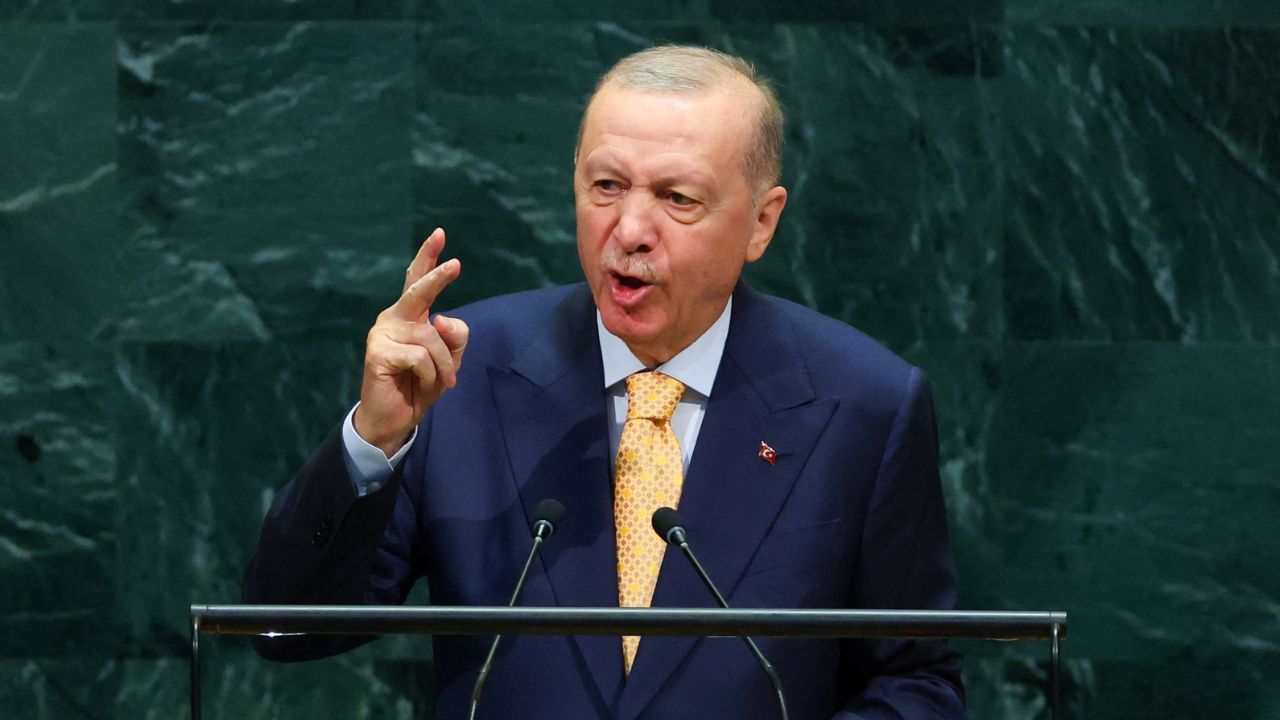
Every September, leaders gather in New York for the United Nations General Assembly to pitch their foreign policy visions to the world. And almost every year, Turkish President Recep Tayyip Erdogan uses that massive platform to mention a specific territorial dispute in South Asia.
During his address at the 81st session of the UN General Assembly, Erdogan brought up the Kashmir issue once again. He argued that disputes in the region need to be sorted out through dialogue under the umbrella of UN resolutions.
If you're wondering why Ankara keeps poking at a bilateral sore spot between India and Pakistan, you have to look past simple rhetoric. It's about shifting geopolitical alignments, domestic political signaling, and a broader ambition to position Turkey as a leading voice in the Islamic world.
The Immediate Reaction From New Delhi
New Delhi didn't waste any time pushing back. India has a strict, unchanging policy when it comes to Kashmir: it's a bilateral matter, period. External mediation is flatly rejected.
When Turkish leadership brings up the issue at high-profile international forums, Indian officials quickly label the remarks as completely unwarranted. From New Delhi's perspective, third-party commentary doesn't help resolve anything on the ground. Instead, it complicates diplomatic channels and gives a platform to cross-border narratives that India spends a lot of energy countering.
The Broader Geopolitical Board
Why does Turkey care so much about a valley thousands of miles away from Istanbul?
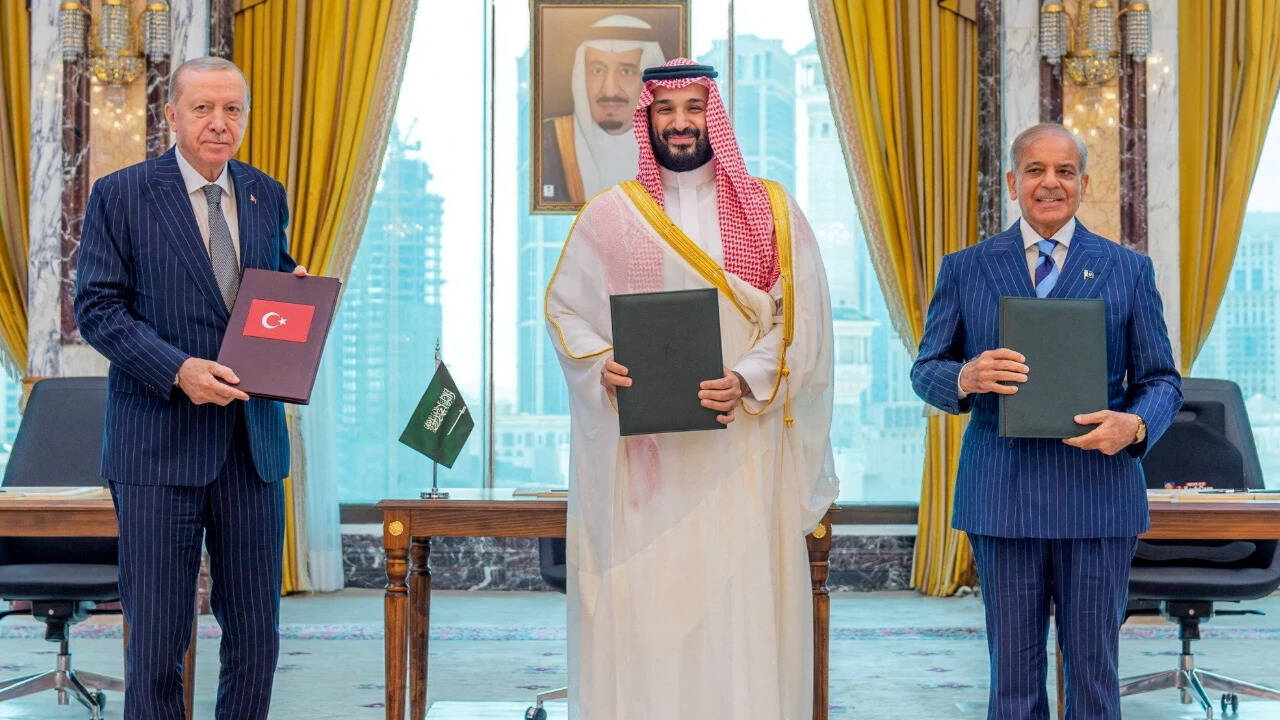
For starters, Ankara has grown increasingly close to Islamabad in recent years. The two nations, alongside Saudi Arabia, have explored closer strategic and military understandings—sometimes referred to in diplomatic circles by pact frameworks. Aligning closely with Pakistan on core emotional issues like Kashmir allows Erdogan to score easy diplomatic points within certain geopolitical blocs.
At the same time, Turkey is trying to project influence across multiple continents. By styling himself as an outspoken defender of Muslim-minority causes globally, Erdogan maintains a specific domestic image while trying to anchor Turkey's status as a regional heavyweight that cannot be ignored in Asian security debates.
Bilateralism Versus Internationalization
The core disagreement here isn't just about what is said; it's about the rules of engagement.
India maintains that the Simla Agreement of 1972 and subsequent frameworks lock Kashmir into a strict bilateral box. Any conversation about the territory happens directly between New Delhi and Islamabad, or it doesn't happen at all.
Turkey, alongside Pakistan, often pushes for the internationalization of the dispute, pointing back to older UN resolutions. They argue that global bodies have a stake in ensuring stability in a nuclear-armed neighborhood.
This creates a permanent diplomatic friction point. Ankara wants a seat at the table of global mediators, while New Delhi views any outside intrusion as a violation of sovereignty. As long as these opposing viewpoints remain absolute, speeches in New York will keep producing the exact same diplomatic fallout without shifting reality on the ground.
Take a look at how global leaders address regional disputes to understand why strategic posturing at the UN rarely translates to actual policy changes on the ground. Erdogan's Kashmir Message At UN
This video clip covers the exact moment during the UN General Assembly where Turkish President Erdogan raised the Kashmir dispute and outlined Turkey's stance on regional dialogue.