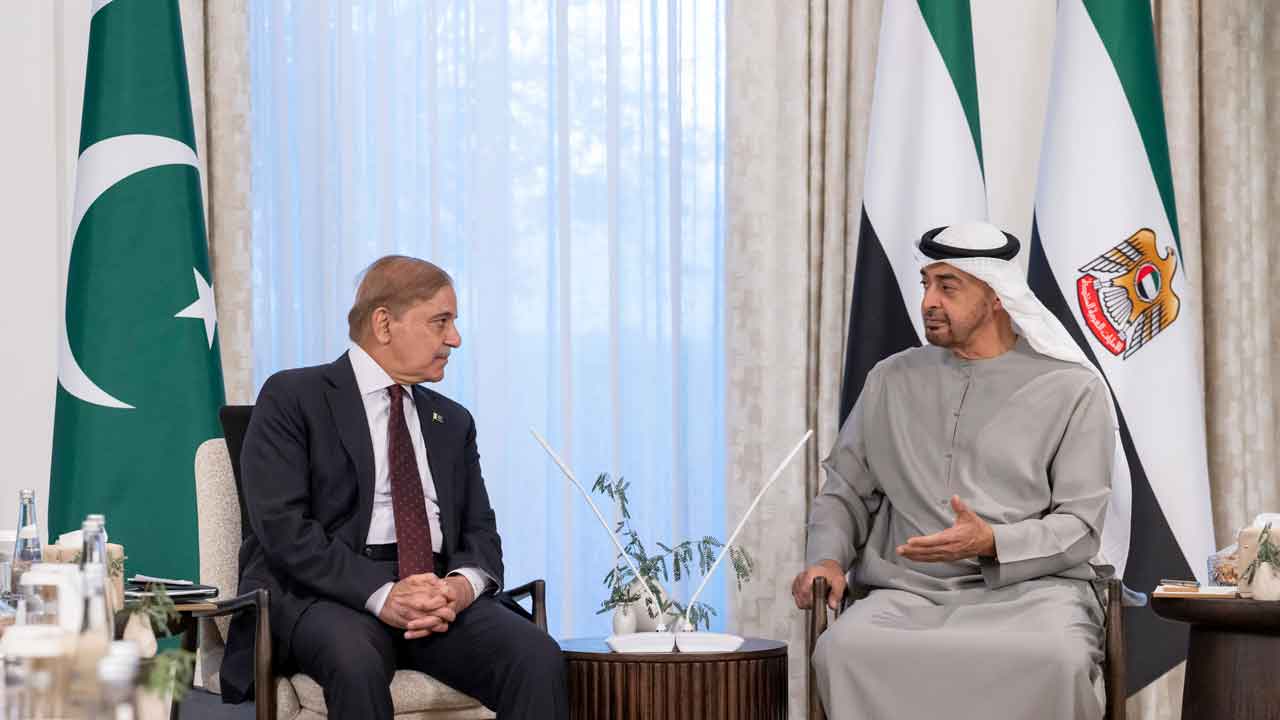
Abu Dhabi wants its money back. It’s that simple. For years, Pakistan treated the United Arab Emirates like a personal ATM, relying on "brotherly" ties to keep the lights on and the foreign exchange reserves from hitting zero. But the party’s over. The UAE’s recent demand for Pakistan to return a $3.5 billion deposit isn't just about a balance sheet. It’s a loud, clear signal that the Gulf is tired of subsidizing a broken economy without seeing real change.
If you're wondering why this matters now, it’s because the old rules of geopolitical lending have been shredded. In the past, a phone call between leaders could delay a debt repayment for a decade. Not today. The UAE has shifted its strategy from "blank check diplomacy" to "investment first." If Pakistan can't prove it’s a viable business partner, the Emirates will treat it like any other bad debtor. Meanwhile, you can find other events here: The Iran Russia Alliance and the Reality of War with the US.
The UAE Demands Accountability Over Charity
The $3.5 billion in question wasn't a gift. It was a deposit meant to prop up Pakistan’s State Bank reserves. These deposits are essentially financial makeup; they make a country's bank account look healthier than it actually is so it can keep trading and borrowing globally. When the UAE asks for that money back, they're effectively removing the makeup.
The UAE is moving toward an investment-driven foreign policy. They don't want to just park cash in Islamabad. They want to own ports, airports, and energy grids. By calling in the $3.5 billion, the UAE is forcing Pakistan's hand. They're saying, "Give us the cash, or give us the assets we actually want." This isn't just a request for repayment. It's a high-stakes negotiation for the crown jewels of Pakistan's infrastructure. To understand the full picture, we recommend the recent report by Reuters.
Why the Timing Is Brutal for Islamabad
Pakistan is currently walking a tightrope with the International Monetary Fund (IMF). To get IMF bailouts, Pakistan has to prove it can manage its debts. When a major ally like the UAE pulls the rug, it creates a panic. It signals to the world—and to other lenders like China or Saudi Arabia—that the most loyal supporters are losing patience.
The internal math is ugly. Pakistan’s inflation has been a nightmare. The currency has been through a meat grinder. When you owe billions in US dollars and your own currency is worth less every day, the mountain of debt grows even if you don't borrow another cent. The UAE knows this. They aren't asking for the money back because they need it—they have plenty. They’re asking because they don't want to be the last ones holding the bag when a default happens.
The End of Brotherly Loans
For decades, the relationship between these two nations was defined by "strategic depth" and Islamic solidarity. Pakistan provided military expertise and labor; the UAE provided oil and cash. That deal is dead. The UAE is now looking at a post-oil future. They're building a tech-heavy, diversified economy. In that world, an unstable, debt-ridden Pakistan is a liability, not an asset.
Saudi Arabia is doing the same thing. They’ve both made it clear that any future "help" will come with strings attached—specifically, the kind of strings that involve selling off state-owned enterprises. If Pakistan wants the UAE to roll over these loans, it has to start selling. We’re talking about the Karachi Port Trust or stakes in national airlines. It’s a fire sale, and the UAE is the first in line with a shopping list.
Mistakes Pakistan Kept Making
Pakistan’s leadership often relies on the "too big to fail" logic. They assume that because they have nuclear weapons and a massive population, the world won't let them collapse. That arrogance is their biggest mistake. The UAE has shown that while they might not want a total collapse, they're perfectly fine with applying extreme financial pressure to get what they want.
Another error is the slow pace of structural reform. The UAE and the IMF have been saying the same thing for years: fix the tax system and stop subsidizing the elite. Pakistan didn't listen. Now, the UAE is using the $3.5 billion as a stick because the carrots stopped working long ago.
What This Means for the Region
This shift changes everything in South Asia. If the UAE isn't a guaranteed safety net, Pakistan has to lean even harder on China. But China is also getting stingy. The "all-weather friendship" is feeling the chill of unpaid bills.
Investors are watching this closely. If the UAE actually pulls that $3.5 billion out, expect the Pakistani Rupee to take another dive. It will trigger a chain reaction. Other creditors will get nervous. The cost of importing basic goods like oil and medicine will skyrocket. It’s a grim cycle that only stops if Pakistan finally undergoes the painful reforms it has avoided for thirty years.
The Real Cost of Default
A default isn't just a headline. It’s a reality where a country can't pay for the fuel that runs its power plants. The UAE’s demand is a warning shot to prevent that, but it might actually accelerate the crisis if not handled with extreme care. Islamabad is currently scrambling to negotiate a "rollover"—basically asking for more time. But time is the one thing the UAE is no longer willing to give away for free.
The pressure is now on the Pakistani government to show it can be a modern economy. That means no more shortcuts. No more "brotherly" favors. Just cold, hard math and asset transfers.
If you're tracking this, look at the upcoming privatization meetings in Islamabad. That's where the real repayment will happen. The UAE isn't looking for a check; they're looking for deeds to property. Watch for announcements regarding the outsourcing of airport operations or the sale of energy companies. That’s the currency the UAE actually values in 2026. Stop waiting for a bailout and start watching the auctions.
The next few months will decide if Pakistan remains a sovereign economic player or becomes a collection of assets managed by its creditors. Pay attention to the foreign exchange reserve reports coming out of the State Bank of Pakistan every Thursday. If those numbers drop, the UAE didn't blink. If they stay steady, Pakistan just sold something big behind closed doors.